
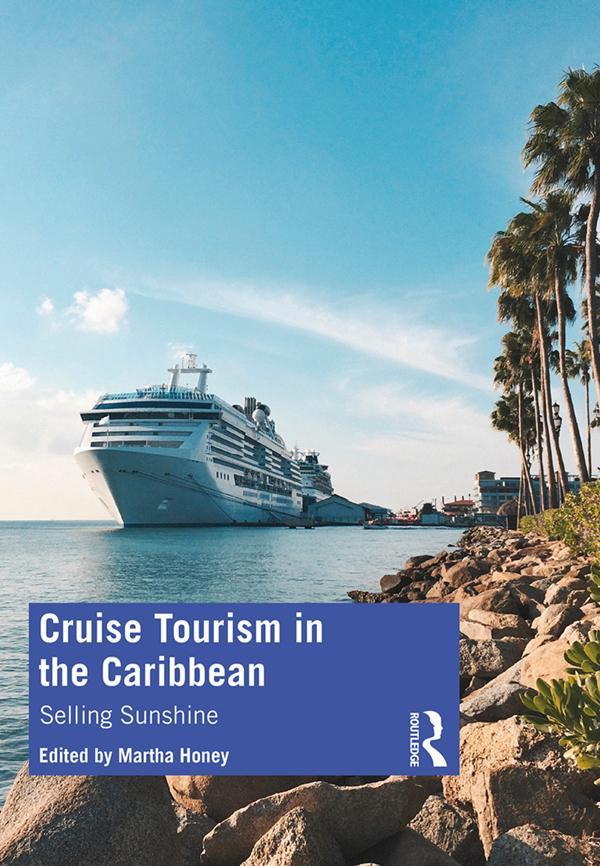
This book explores the lessons learned from half a century of Caribbean cruise tourism; one of the most popular and profitable sectors of the tourism industry.
The modern-day cruise industry dates from the 1960s when the three major cruise lines, Carnival, Royal Caribbean, and Norwegian, set up shop in Florida and began selling winter cruises to the Caribbean targeting American retirees. For geopolitical reasons, the US initially excluded cruises to Cuba. This changed in 2016, following the historic Obama-Castro agreement to move towards diplomatic, trade and travel normalization. Cuba quickly became the Caribbean’s fastest growing cruise destination.
This book considers the limited economic benefits of cruise tourism, its environmental and social impacts, and the effects of climate change, and "overtourism." Based on this analysis and case studies of key Caribbean and Mediterranean destinations, this book cautions against overdependence on cruise tourism and outlines reforms needed to bring more benefits and equity to Caribbean countries. It will be valuable to professionals, businesses, development agencies, NGOs, and academics interested in a sustainable cruise industry and the economic well-being of Caribbean island nations.
Betaal eenvoudig met kaart, Klarna, Apple Pay of Google Pay. Niet tevreden? Je hebt altijd 14 dagen bedenktijd. Lees meer in onze voorwaarden. Heb je vragen, mail ons dan via hello@memmo.org.
Memmo maakt studeren makkelijker – waar je ook bent ter wereld. Wij brengen je cursusboeken en slimme studietools samen op één plek: samenvattingen, quizzen, podcasts en flashcards. En Ted, je studievriend die antwoord geeft op alles wat je je afvraagt. Meer dan 50.000 studenten studeren hier al – gebouwd om je sneller te laten leren en minder stress te geven.