
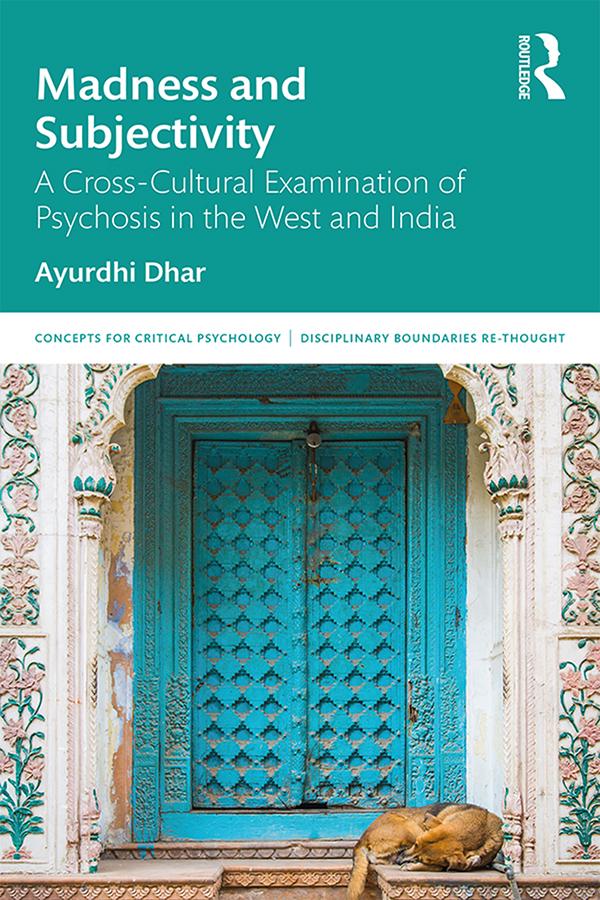
This crucial new work draws on empirical findings from rural North India in relation to madness and subjectivity, revealing the different structures of subjectivity underlying the narratives of schizophrenia, spirits, ghosts, and deities.
Unravelling the loose ends of madness, the author explores the cultural differences in understanding and experiencing madness to examine how modern insanity is treated as a clinical disorder, but historically it represents how we form knowledge and understand self-knowledge. The author begins by theoretically investigating how the schizophrenic personifies the fractures in modern Western thought to explain why, despite decades of intense contention, the category of schizophrenia is still alive. She then examines the narratives of people in the Himalayan Mountains of rural India to reveal the discursive conditions that animate their stories around what psychology calls psychosis, critiquing the monoculturalism in trauma theory and challenging the ongoing march of the Global Mental Health Movement in the Global South.
Examining what a study of madness reveals about two different cultures, and their ways of thinking and being, this is fascinating reading for students interested in mental health, critical psychology, and Indian culture.
Betaal eenvoudig met kaart, Klarna, Apple Pay of Google Pay. Niet tevreden? Je hebt altijd 14 dagen bedenktijd. Lees meer in onze voorwaarden. Heb je vragen, mail ons dan via hello@memmo.org.
Memmo maakt studeren makkelijker – waar je ook bent ter wereld. Wij brengen je cursusboeken en slimme studietools samen op één plek: samenvattingen, quizzen, podcasts en flashcards. En Ted, je studievriend die antwoord geeft op alles wat je je afvraagt. Meer dan 50.000 studenten studeren hier al – gebouwd om je sneller te laten leren en minder stress te geven.