
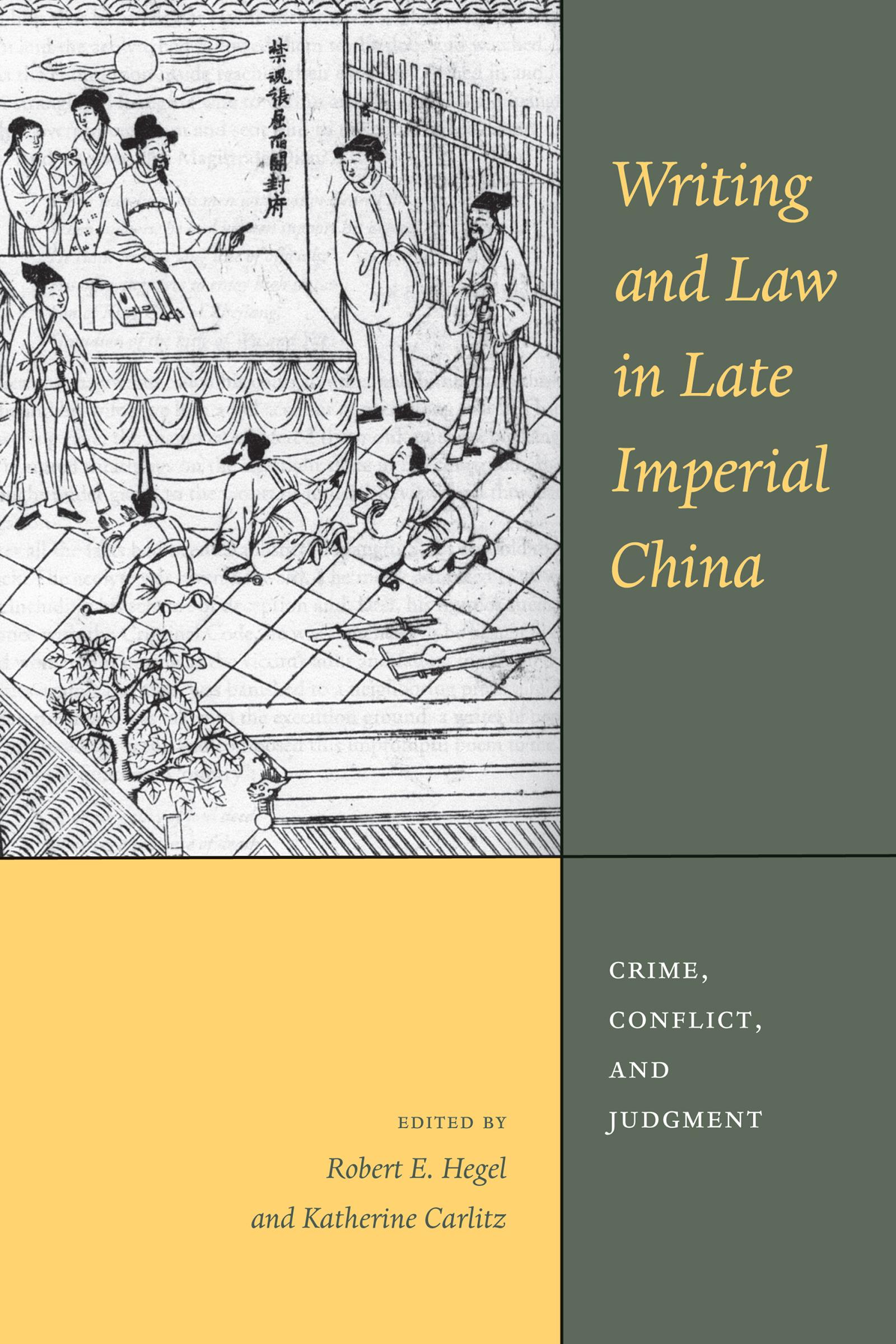
In this fascinating, multidisciplinary volume, scholars of Chinese history, law, literature, and religions explore the intersections of legal practice with writing in many different social contexts. They consider the overlapping concerns of legal culture and the arts of crafting persuasive texts in a range of documents including crime reports, legislation, novels, prayers, and law suits. Their focus is the late Ming and Qing periods (c. 1550-1911); their documents range from plaints filed at the local level by commoners, through various texts produced by the well-to-do, to the legal opinions penned by China's emperors.
Writing and Law in Late Imperial China explores works of crime-case fiction, judicial handbooks for magistrates and legal secretaries, popular attitudes toward clergy and merchants as reflected in legal plaints, and the belief in a parallel, otherworldly judicial system that supports earthly justice.
Betaal eenvoudig met kaart, Klarna, Apple Pay of Google Pay. Niet tevreden? Je hebt altijd 14 dagen bedenktijd. Lees meer in onze voorwaarden. Heb je vragen, mail ons dan via hello@memmo.org.
Memmo maakt studeren makkelijker – waar je ook bent ter wereld. Wij brengen je cursusboeken en slimme studietools samen op één plek: samenvattingen, quizzen, podcasts en flashcards. En Ted, je studievriend die antwoord geeft op alles wat je je afvraagt. Meer dan 50.000 studenten studeren hier al – gebouwd om je sneller te laten leren en minder stress te geven.