
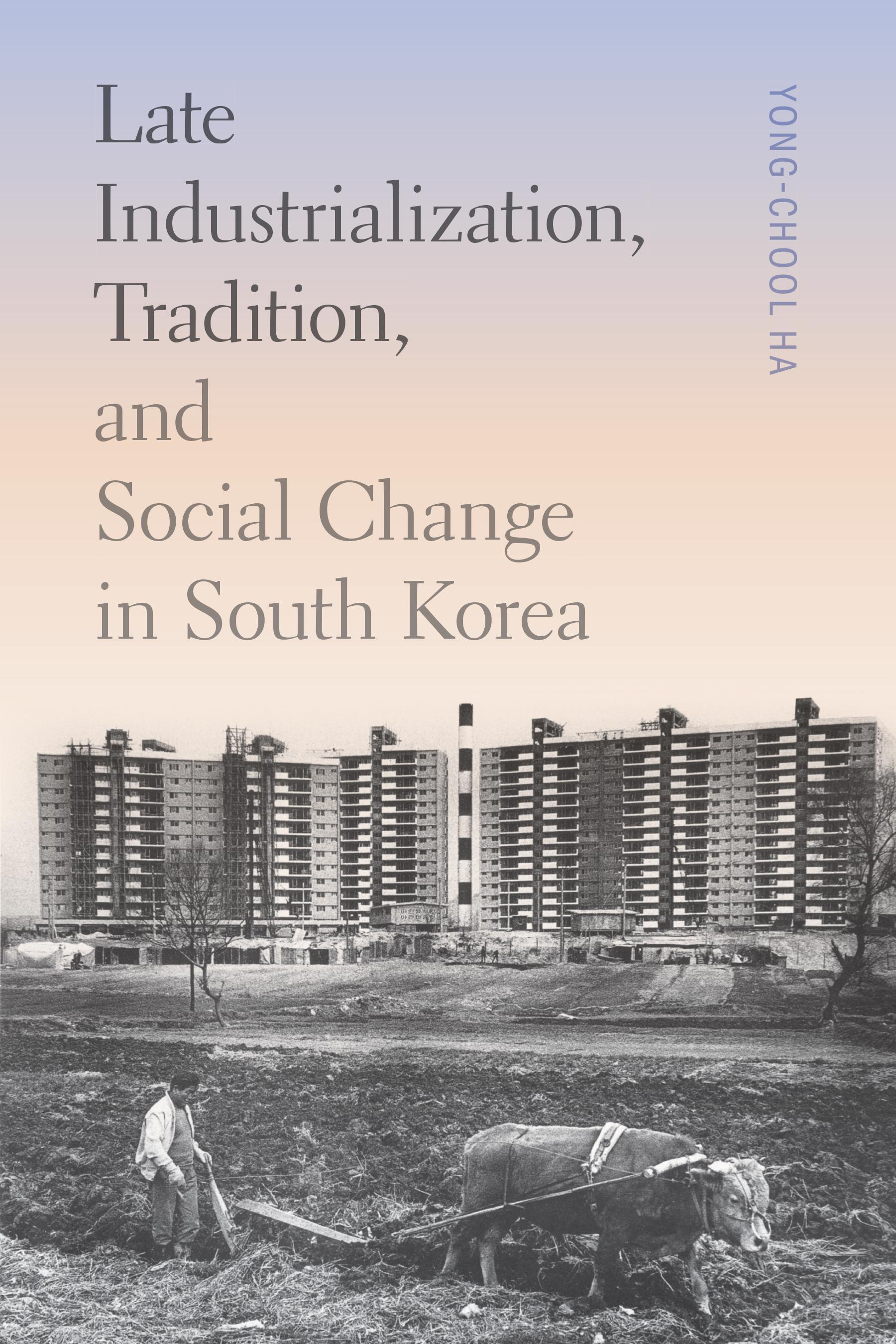
Examines how primary social ties fueled economic growth
South Korea's rapid industrialization occurred with the rise of powerful chaebǒl (family-owned business conglomerates) that controlled vast swaths of the nation's economy. Leader Park Chung Hee's sense of backwardness and urgency led him to rely on familial, school, and regional ties to expedite the economic transformation. Late Industrialization, Tradition, and Social Change in South Korea elucidates how a country can progress economically while relying on traditional social structures that usually fragment political and economic vitality. The book proposes a new framework for macro social change under late industrialization by analyzing the specific process of interactions between economic tasks and tradition through the state's mediation.
Drawing on interviews with bureaucrats in the Ministry of Commerce and Industry as well as workers and others, Yong-Chool Ha demonstrates how the state propelled industrialization by using kinship networks to channel investments and capital into chaebǒl corporations. What Ha calls "neofamilism" was the central force behind South Korea's economic transformation as the state used preindustrial social patterns to facilitate industrialization. Ha's account of bureaucracy, democratization, and the middle class challenges assumptions about the universal outcomes of industrialization.
Late Industrialization, Tradition, and Social Change in South Korea is also available in an open access edition, DOI 10.6069/9780295753249
Betaal eenvoudig met kaart, Klarna, Apple Pay of Google Pay. Niet tevreden? Je hebt altijd 14 dagen bedenktijd. Lees meer in onze voorwaarden. Heb je vragen, mail ons dan via hello@memmo.org.
Memmo maakt studeren makkelijker – waar je ook bent ter wereld. Wij brengen je cursusboeken en slimme studietools samen op één plek: samenvattingen, quizzen, podcasts en flashcards. En Ted, je studievriend die antwoord geeft op alles wat je je afvraagt. Meer dan 50.000 studenten studeren hier al – gebouwd om je sneller te laten leren en minder stress te geven.