
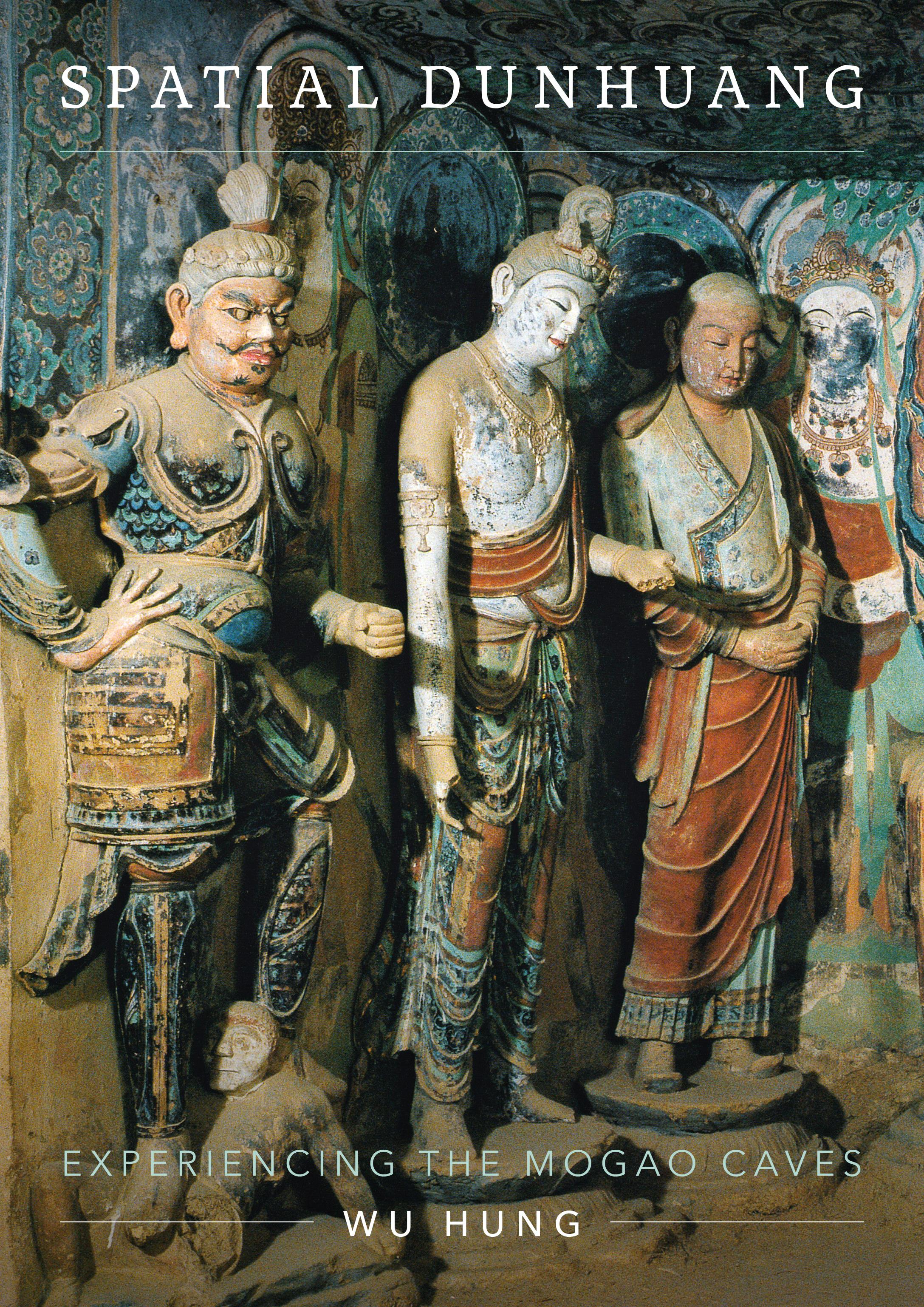
Constructed over a millennium from the fourth to fourteenth centuries CE near Dunhuang, an ancient border town along the Silk Road in northwest China, the Mogao Caves comprise the largest, most continuously created, and best-preserved treasure trove of Buddhist art in the world. Previous overviews of the art of Dunhuang have traced the caves' unilinear history. This book examines the caves from the perspective of space, treating them as physical and historical sites that can be approached, entered, and understood sensually. It prioritizes the actual experiences of the people of the past who built and used the caves.
Five spatial contexts provide rich material for analysis: Dunhuang as a multicultural historic place; the Mogao Cave complex as an evolving entity; the interior space of caves; interaction of the visual program with architectural space; and pictorial space within wall paintings that draws viewers into an otherworldly time. With its novel approach to this repository of religious art, Spatial Dunhuang will be a must-read for anyone interested in Buddhist art and for visitors to Dunhuang.
Betaal eenvoudig met kaart, Klarna, Apple Pay of Google Pay. Niet tevreden? Je hebt altijd 14 dagen bedenktijd. Lees meer in onze voorwaarden. Heb je vragen, mail ons dan via hello@memmo.org.
Memmo maakt studeren makkelijker – waar je ook bent ter wereld. Wij brengen je cursusboeken en slimme studietools samen op één plek: samenvattingen, quizzen, podcasts en flashcards. En Ted, je studievriend die antwoord geeft op alles wat je je afvraagt. Meer dan 50.000 studenten studeren hier al – gebouwd om je sneller te laten leren en minder stress te geven.