
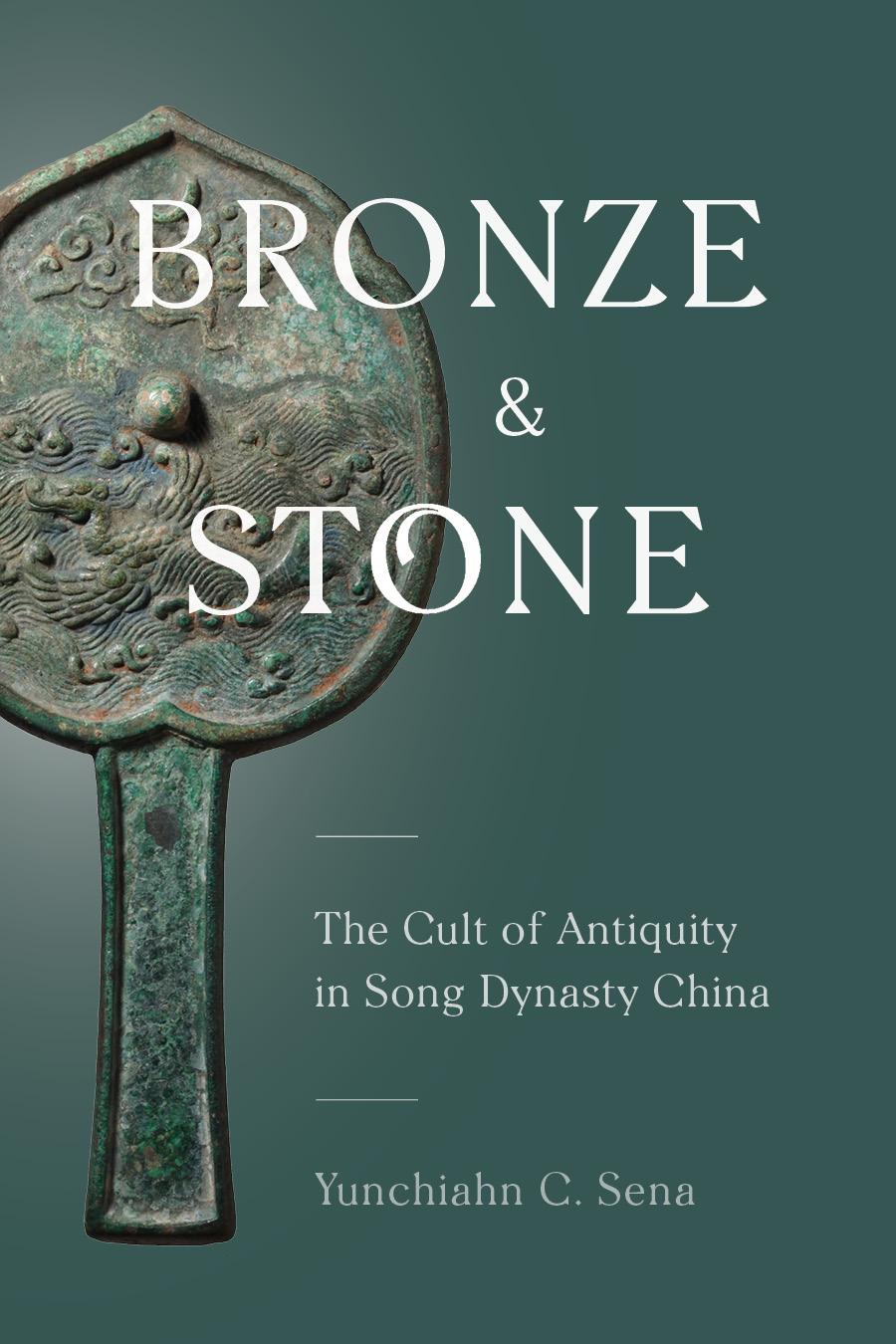
Despite China’s long tradition of venerating the past as the ultimate source of cultural authority, the discourse of antiquity prior to the Song period (960–1279) demonstrated little concern for ancient objects. With a focus on physical artifacts of the past, Song intellectuals began a new discipline, “the study of bronze and stone” (jinshixue), that generated collections of items such as bronze vessels and bells, stone steles, and ink rubbings of inscriptions carved or cast on objects. This first comprehensive study in English of the Song antiquarian movement and how it refashioned the distant past uses textual and material evidence to examine this development, which has had long-lasting influence on Chinese intellectual history and on the preservation of material objects. In addition to collecting and comparing artifacts, Song antiquaries compiled extensive catalogs that included drawings, measurements, and meticulous descriptions. Their studies have contributed to the way history has been documented since the eleventh century and serve as a basis for archaeology of the modern period. Bronze and Stone contextualizes the Song antiquarian movement among previous Chinese engagements with antiquity, subsequent popular interest in ancient objects, and world antiquarianism.
Betaal eenvoudig met kaart, Klarna, Apple Pay of Google Pay. Niet tevreden? Je hebt altijd 14 dagen bedenktijd. Lees meer in onze voorwaarden. Heb je vragen, mail ons dan via hello@memmo.org.
Memmo maakt studeren makkelijker – waar je ook bent ter wereld. Wij brengen je cursusboeken en slimme studietools samen op één plek: samenvattingen, quizzen, podcasts en flashcards. En Ted, je studievriend die antwoord geeft op alles wat je je afvraagt. Meer dan 50.000 studenten studeren hier al – gebouwd om je sneller te laten leren en minder stress te geven.