
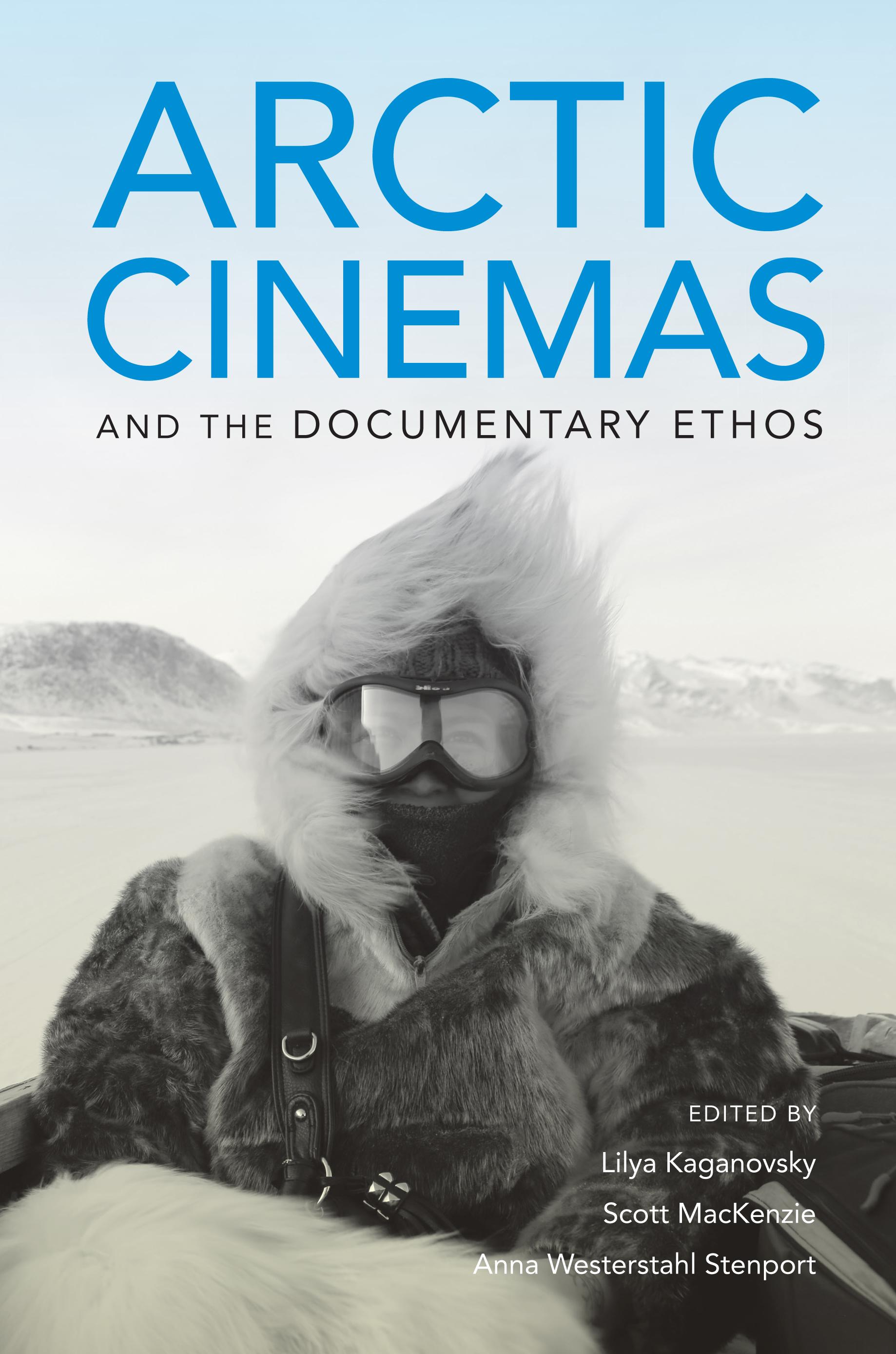
Beginning with Robert Flaherty's Nanook of the North (1922), the majority of films that have been made in, about, and by filmmakers from the Arctic region have been documentary cinema. Focused on a hostile environment that few people visit, these documentaries have heavily shaped ideas about the contemporary global Far North. In Arctic Cinemas and the Documentary Ethos, contributors from a variety of scholarly and artistic backgrounds come together to provide a comprehensive study of Arctic documentary cinemas from a transnational perspective. This book offers a thorough analysis of the concept of the Arctic as it is represented in documentary filmmaking, while challenging the notion of "The Arctic" as a homogenous entity that obscures the environmental, historical, geographic, political, and cultural differences that characterize the region. By examining how the Arctic is imagined, understood, and appropriated in documentary work, the contributors argue that such films are key in contextualizing environmental, indigenous, political, cultural, sociological, and ethnographic understandings of the Arctic, from early cinema to the present. Understanding the role of these films becomes all the more urgent in the present day, as conversations around resource extraction, climate change, and sovereignty take center stage in the Arctic's representation.
Betaal eenvoudig met kaart, Klarna, Apple Pay of Google Pay. Niet tevreden? Je hebt altijd 14 dagen bedenktijd. Lees meer in onze voorwaarden. Heb je vragen, mail ons dan via hello@memmo.org.
Memmo maakt studeren makkelijker – waar je ook bent ter wereld. Wij brengen je cursusboeken en slimme studietools samen op één plek: samenvattingen, quizzen, podcasts en flashcards. En Ted, je studievriend die antwoord geeft op alles wat je je afvraagt. Meer dan 50.000 studenten studeren hier al – gebouwd om je sneller te laten leren en minder stress te geven.