
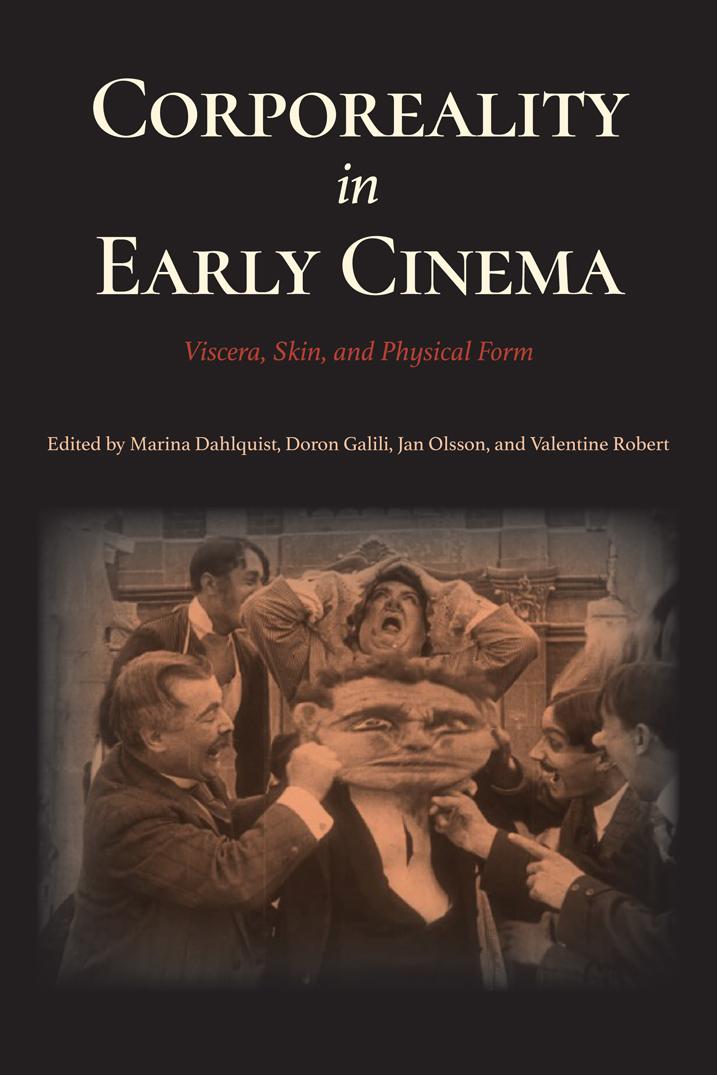
Corporeality in Early Cinema inspires a heightened awareness of the ways in which early film culture, and screen praxes overall are inherently embodied. Contributors argue that on- and offscreen (and in affiliated media and technological constellations), the body consists of flesh and nerves and is not just an abstract spectator or statistical audience entity.
Audience responses from arousal to disgust, from identification to detachment, offer us a means to understand what spectators have always taken away from their cinematic experience. Through theoretical approaches and case studies, scholars offer a variety of models for stimulating historical research on corporeality and cinema by exploring the matrix of screened bodies, machine-made scaffolding, and their connections to the physical bodies in front of the screen.
Betaal eenvoudig met kaart, Klarna, Apple Pay of Google Pay. Niet tevreden? Je hebt altijd 14 dagen bedenktijd. Lees meer in onze voorwaarden. Heb je vragen, mail ons dan via hello@memmo.org.
Memmo maakt studeren makkelijker – waar je ook bent ter wereld. Wij brengen je cursusboeken en slimme studietools samen op één plek: samenvattingen, quizzen, podcasts en flashcards. En Ted, je studievriend die antwoord geeft op alles wat je je afvraagt. Meer dan 50.000 studenten studeren hier al – gebouwd om je sneller te laten leren en minder stress te geven.