
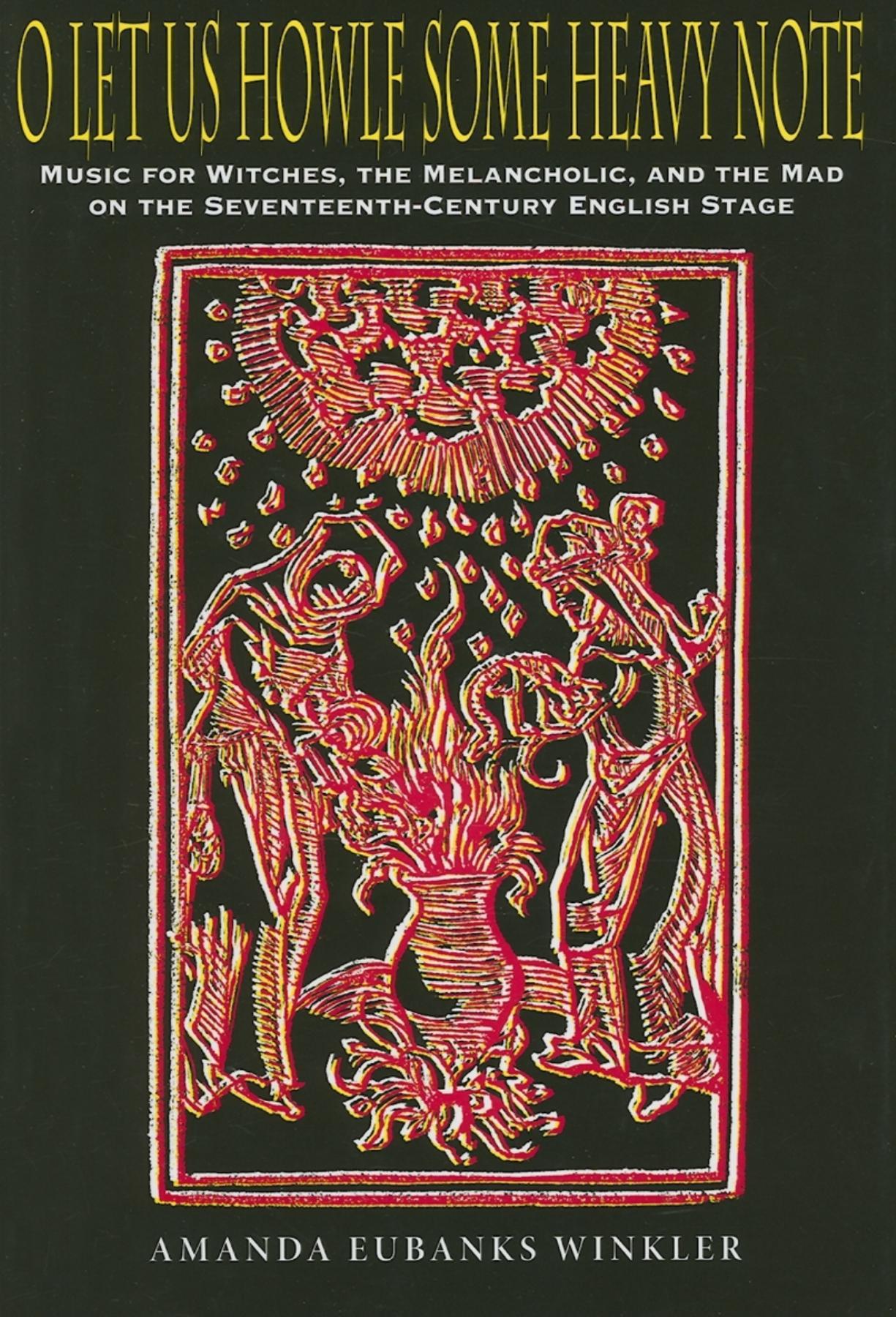
In the 17th century, harmonious sounds were thought to represent the well-ordered body of the obedient subject, and, by extension, the well-ordered state; conversely, discordant, unpleasant music represented both those who caused disorder (murderers, drunkards, witches, traitors) and those who suffered from bodily disorders (melancholics, madmen, and madwomen). While these theoretical correspondences seem straightforward, in theatrical practice the musical portrayals of disorderly characters were multivalent and often ambiguous.
O Let Us Howle Some Heavy Note focuses on the various ways that theatrical music represented disorderly subjects—those who presented either a direct or metaphorical threat to the health of the English kingdom in 17th-century England. Using theater music to examine narratives of social history, Winkler demonstrates how music reinscribed and often resisted conservative, political, religious, gender, and social ideologies.
Betaal eenvoudig met kaart, Klarna, Apple Pay of Google Pay. Niet tevreden? Je hebt altijd 14 dagen bedenktijd. Lees meer in onze voorwaarden. Heb je vragen, mail ons dan via hello@memmo.org.
Memmo maakt studeren makkelijker – waar je ook bent ter wereld. Wij brengen je cursusboeken en slimme studietools samen op één plek: samenvattingen, quizzen, podcasts en flashcards. En Ted, je studievriend die antwoord geeft op alles wat je je afvraagt. Meer dan 50.000 studenten studeren hier al – gebouwd om je sneller te laten leren en minder stress te geven.