
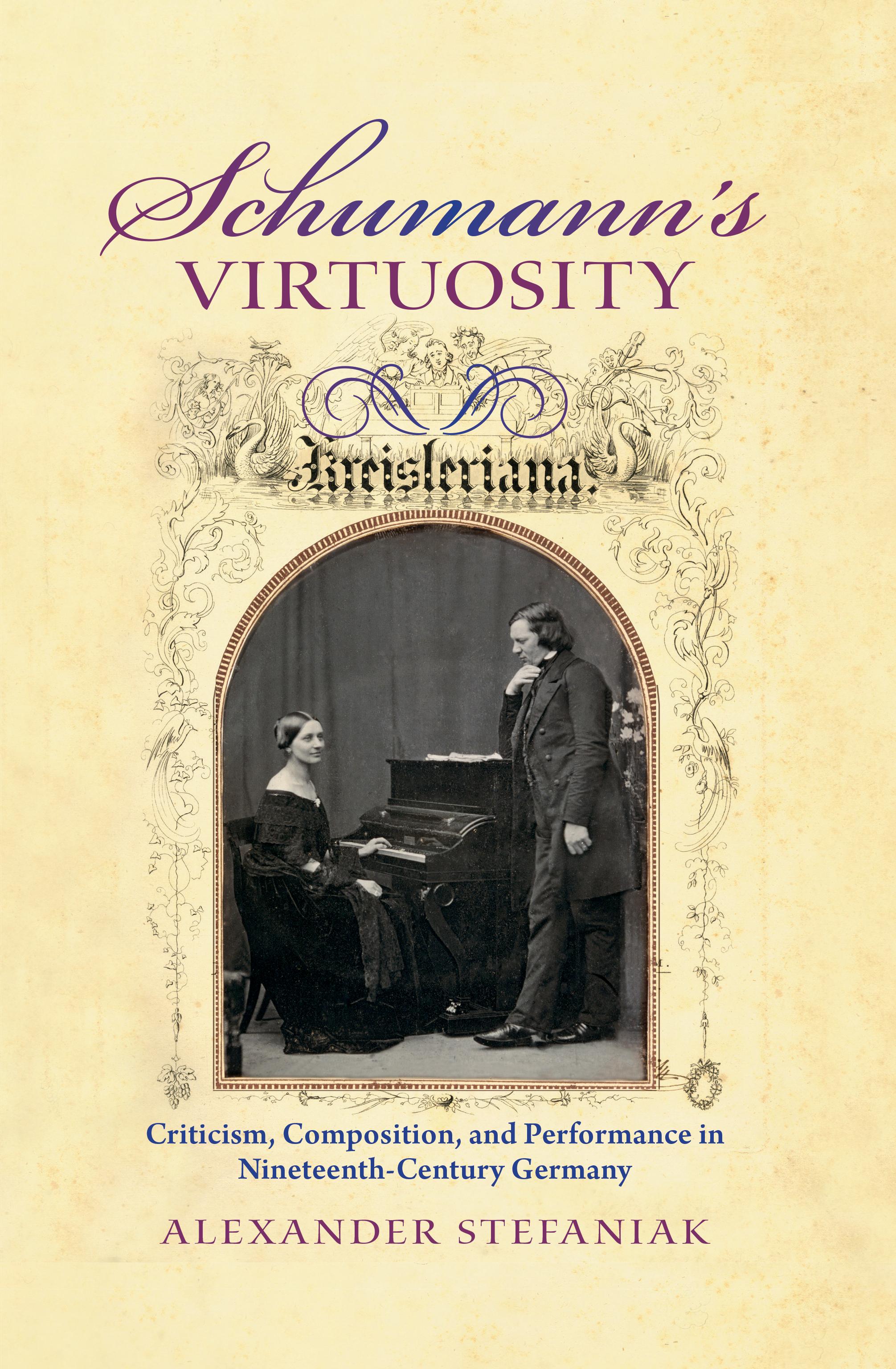
Considered one of the greatest composers—and music critics—of the Romantic era, Robert Schumann (1810–1856) played an important role in shaping nineteenth-century German ideas about virtuosity. Forging his career in the decades that saw abundant public fascination with the feats and creations of virtuosos (Liszt, Paganini, and Chopin among others), Schumann engaged with instrumental virtuosity through not only his compositions and performances but also his music reviews and writings about his contemporaries. Ultimately, the discourse of virtuosity influenced the culture of Western "art music" well beyond the nineteenth century and into the present day. By examining previously unexplored archival sources, Alexander Stefaniak looks at the diverse approaches to virtuosity Schumann developed over the course of his career, revealing several distinct currents in nineteenth-century German virtuosity and the enduring flexibility of virtuosity discourse.
Betaal eenvoudig met kaart, Klarna, Apple Pay of Google Pay. Niet tevreden? Je hebt altijd 14 dagen bedenktijd. Lees meer in onze voorwaarden. Heb je vragen, mail ons dan via hello@memmo.org.
Memmo maakt studeren makkelijker – waar je ook bent ter wereld. Wij brengen je cursusboeken en slimme studietools samen op één plek: samenvattingen, quizzen, podcasts en flashcards. En Ted, je studievriend die antwoord geeft op alles wat je je afvraagt. Meer dan 50.000 studenten studeren hier al – gebouwd om je sneller te laten leren en minder stress te geven.