
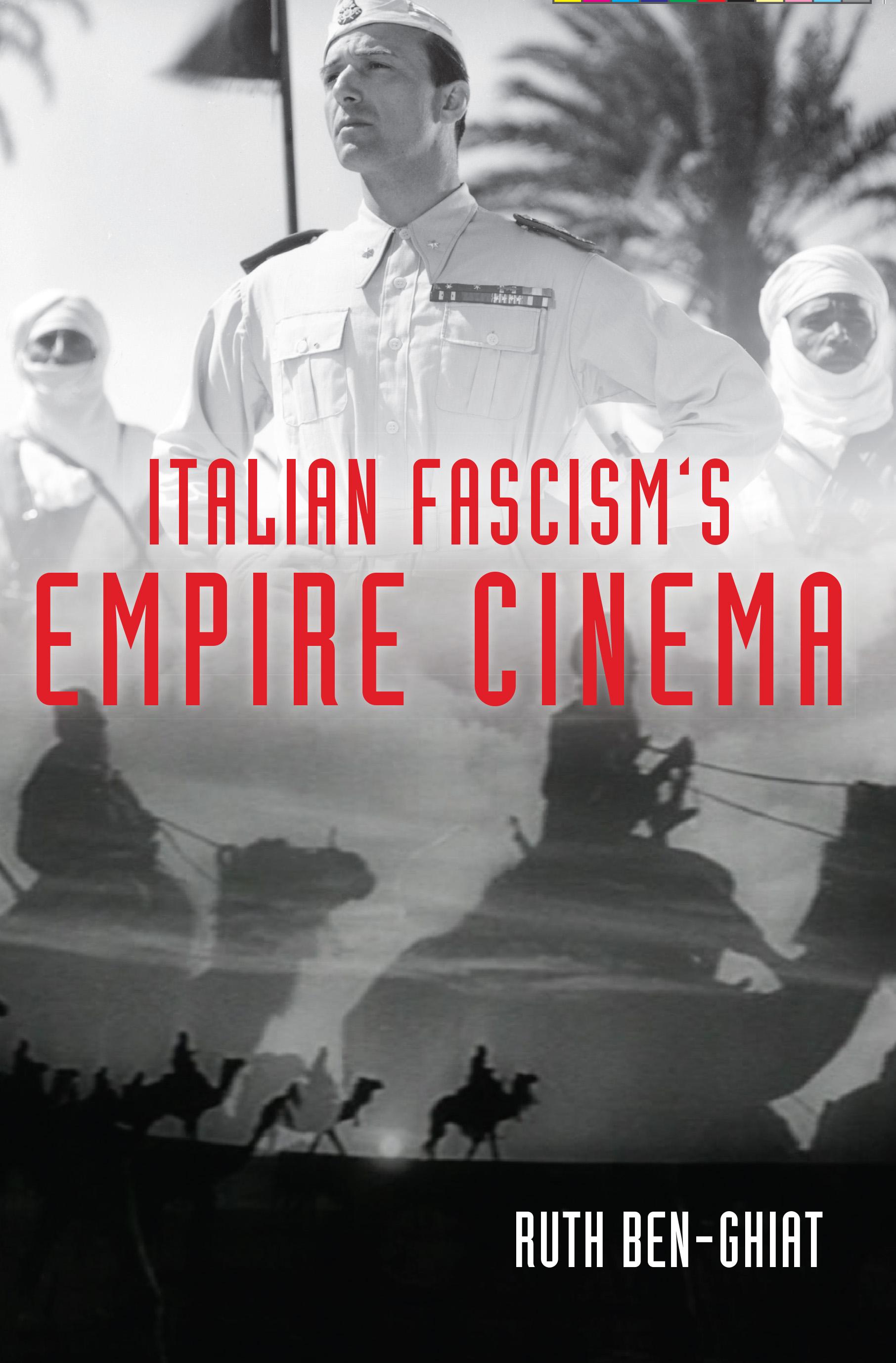
Ruth Ben-Ghiat provides the first in-depth study of feature and documentary films produced under the auspices of Mussolini's government that took as their subjects or settings Italy's African and Balkan colonies. These "empire films" were Italy's entry into an international market for the exotic. The films engaged its most experienced and cosmopolitan directors (Augusto Genina, Mario Camerini) as well as new filmmakers (Roberto Rossellini) who would make their marks in the postwar years. Ben-Ghiat sees these films as part of the aesthetic development that would lead to neo-realism. Shot in Libya, Somalia, and Ethiopia, these movies reinforced Fascist racial and labor policies and were largely forgotten after the war. Ben-Ghiat restores them to Italian and international film history in this gripping account of empire, war, and the cinema of dictatorship.
Betaal eenvoudig met kaart, Klarna, Apple Pay of Google Pay. Niet tevreden? Je hebt altijd 14 dagen bedenktijd. Lees meer in onze voorwaarden. Heb je vragen, mail ons dan via hello@memmo.org.
Memmo maakt studeren makkelijker – waar je ook bent ter wereld. Wij brengen je cursusboeken en slimme studietools samen op één plek: samenvattingen, quizzen, podcasts en flashcards. En Ted, je studievriend die antwoord geeft op alles wat je je afvraagt. Meer dan 50.000 studenten studeren hier al – gebouwd om je sneller te laten leren en minder stress te geven.