
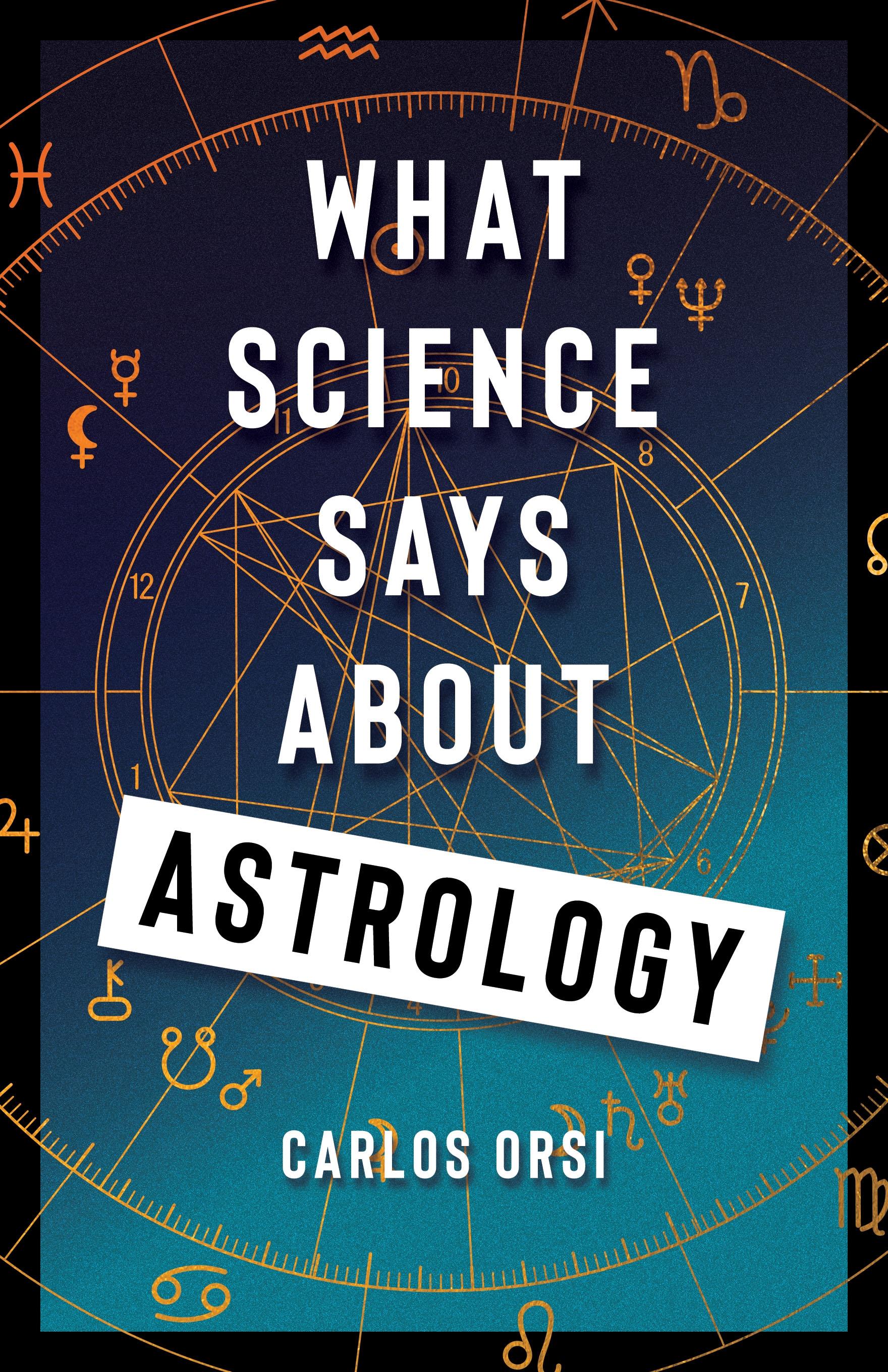
For thousands of years, people have believed that the configuration of stars and planets in the sky influences earthly events. Today, astrology is a lucrative global market, with newspaper columns, mobile apps, and professional counselors weighing in on everything from love life to health to the stock market. Yet scientific evidence shows indisputably that it is simply superstition. Why does astrology appeal to so many people? What makes its prognostications seem persuasive? Is there any harm to believing in astrology anyway?
This book aims a scientific lens at astrology, from its colorful history to experimental tests of its predictions through the social and psychological factors that explain its enduring popularity. Carlos Orsi explores the importance of astrology to the history of science and the reasons it has been categorized as a pseudoscience. He investigates its tenets, recounting how scientists debunked common claims. With both empathy and skepticism, Orsi illuminates the psychological, rhetorical, and emotional mechanisms that cause people to find astrological predictions convincing. He also addresses the dangers of irrational beliefs and the risks of applying astrology to serious decisions. Wide-ranging and entertaining, this book offers a critical look at the modern appeal of an ancient superstition.
Betaal eenvoudig met kaart, Klarna, Apple Pay of Google Pay. Niet tevreden? Je hebt altijd 14 dagen bedenktijd. Lees meer in onze voorwaarden. Heb je vragen, mail ons dan via hello@memmo.org.
Memmo maakt studeren makkelijker – waar je ook bent ter wereld. Wij brengen je cursusboeken en slimme studietools samen op één plek: samenvattingen, quizzen, podcasts en flashcards. En Ted, je studievriend die antwoord geeft op alles wat je je afvraagt. Meer dan 50.000 studenten studeren hier al – gebouwd om je sneller te laten leren en minder stress te geven.