
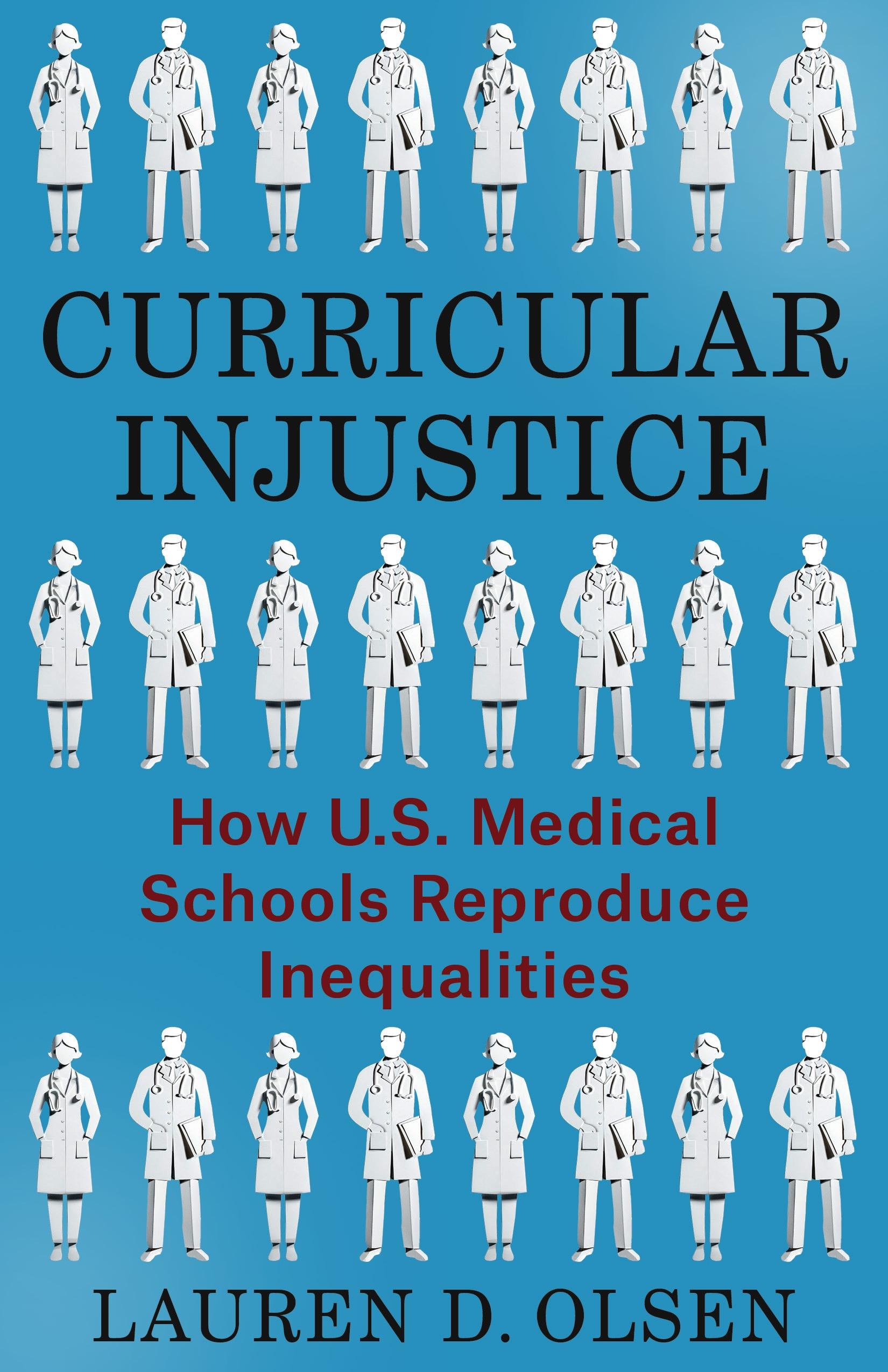
Medical schools have increasingly incorporated the humanities and social sciences into their teaching, seeking to make future physicians more empathetic and more concerned with equity. In practice, however, these good intentions have not translated into critical consciousness. Humanities and social sciences education has often not only failed to deliver on its promise but even entrenched the inequalities that the medical profession set out to address.
Lauren D. Olsen examines how U.S. medical school faculty conceived, designed, and implemented their vision of education, tracing the failures of curricular reform. She argues that the way medical students encounter humanities and social sciences material in practice has served to reinforce the status quo by teaching them to individualize systemic problems. Students learn to avoid advocacy, critique, and attention to structural inequalities—while also gathering that it will be up to them to find coping strategies for problems from burnout to systemic racism. Olsen pinpoints the limitations of how clinical faculty understand the humanities and social sciences, arguing that in structuring and teaching courses, they assumed, reinforced, and glorified a white, elite model of the medical profession. Showing how deeply intertwined professional and social identities are in medical education, Curricular Injustice has significant implications for how occupations, organizations, and institutions shape understandings of inequality.
Betaal eenvoudig met kaart, Klarna, Apple Pay of Google Pay. Niet tevreden? Je hebt altijd 14 dagen bedenktijd. Lees meer in onze voorwaarden. Heb je vragen, mail ons dan via hello@memmo.org.
Memmo maakt studeren makkelijker – waar je ook bent ter wereld. Wij brengen je cursusboeken en slimme studietools samen op één plek: samenvattingen, quizzen, podcasts en flashcards. En Ted, je studievriend die antwoord geeft op alles wat je je afvraagt. Meer dan 50.000 studenten studeren hier al – gebouwd om je sneller te laten leren en minder stress te geven.