
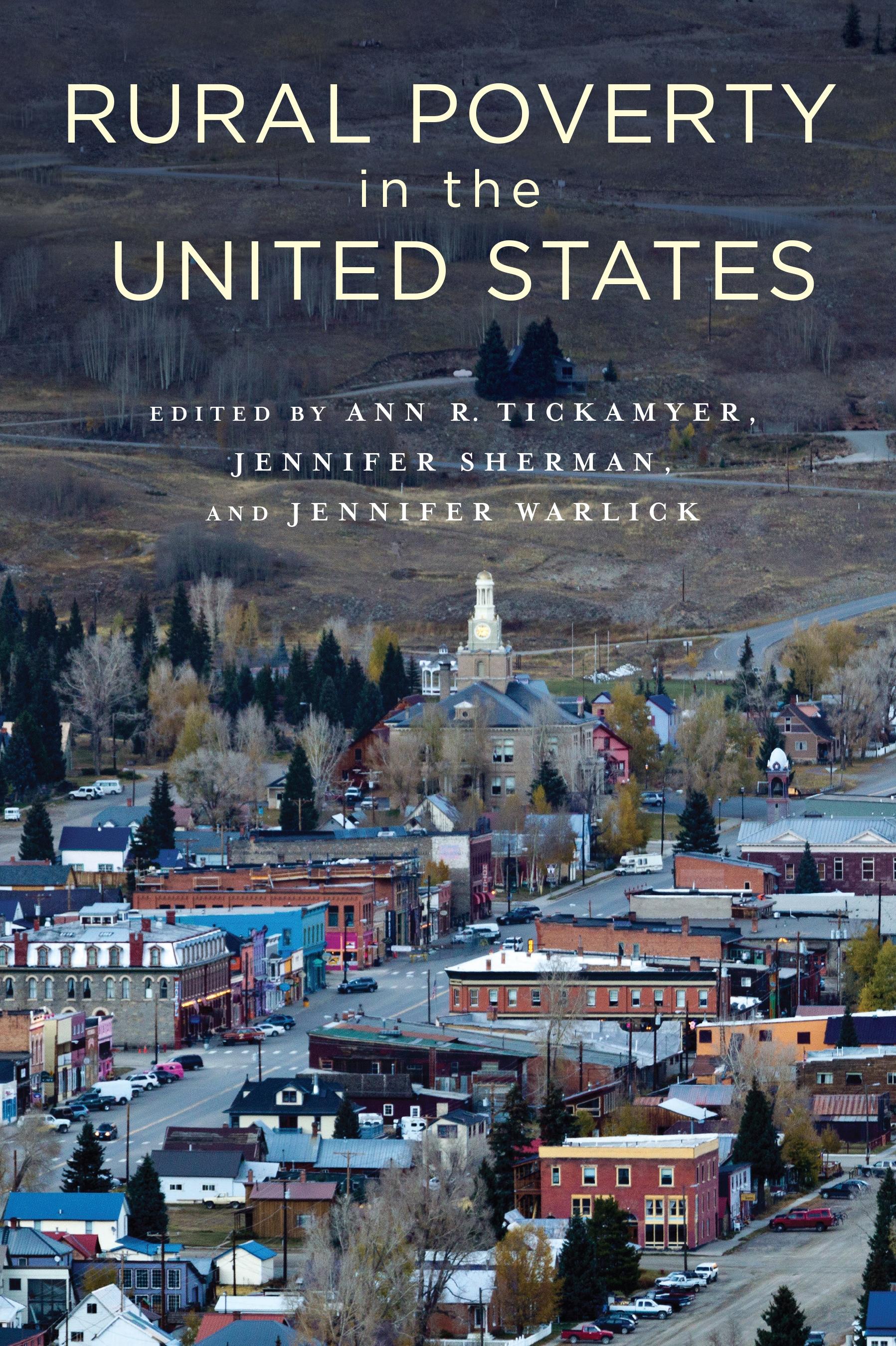
America's rural areas have always held a disproportionate share of the nation's poorest populations. Rural Poverty in the United States examines why. What is it about the geography, demography, and history of rural communities that keeps them poor? In a comprehensive analysis that extends from the Civil War to the present, Rural Poverty in the United States looks at access to human and social capital; food security; healthcare and the environment; homelessness; gender roles and relations; racial inequalities; and immigration trends to isolate the underlying causes of persistent rural poverty.
Contributors to this volume incorporate approaches from multiple disciplines, including sociology, economics, demography, race and gender studies, public health, education, criminal justice, social welfare, and other social science fields. They take a hard look at current and past programs to alleviate rural poverty and use their failures to suggest alternatives that could improve the well-being of rural Americans for years to come. These essays work hard to define rural poverty's specific metrics and markers, a critical step for building better policy and practice. Considering gender, race, and immigration, the book appreciates the overlooked structural and institutional dimensions of ongoing rural poverty and its larger social consequences.
Betaal eenvoudig met kaart, Klarna, Apple Pay of Google Pay. Niet tevreden? Je hebt altijd 14 dagen bedenktijd. Lees meer in onze voorwaarden. Heb je vragen, mail ons dan via hello@memmo.org.
Memmo maakt studeren makkelijker – waar je ook bent ter wereld. Wij brengen je cursusboeken en slimme studietools samen op één plek: samenvattingen, quizzen, podcasts en flashcards. En Ted, je studievriend die antwoord geeft op alles wat je je afvraagt. Meer dan 50.000 studenten studeren hier al – gebouwd om je sneller te laten leren en minder stress te geven.