
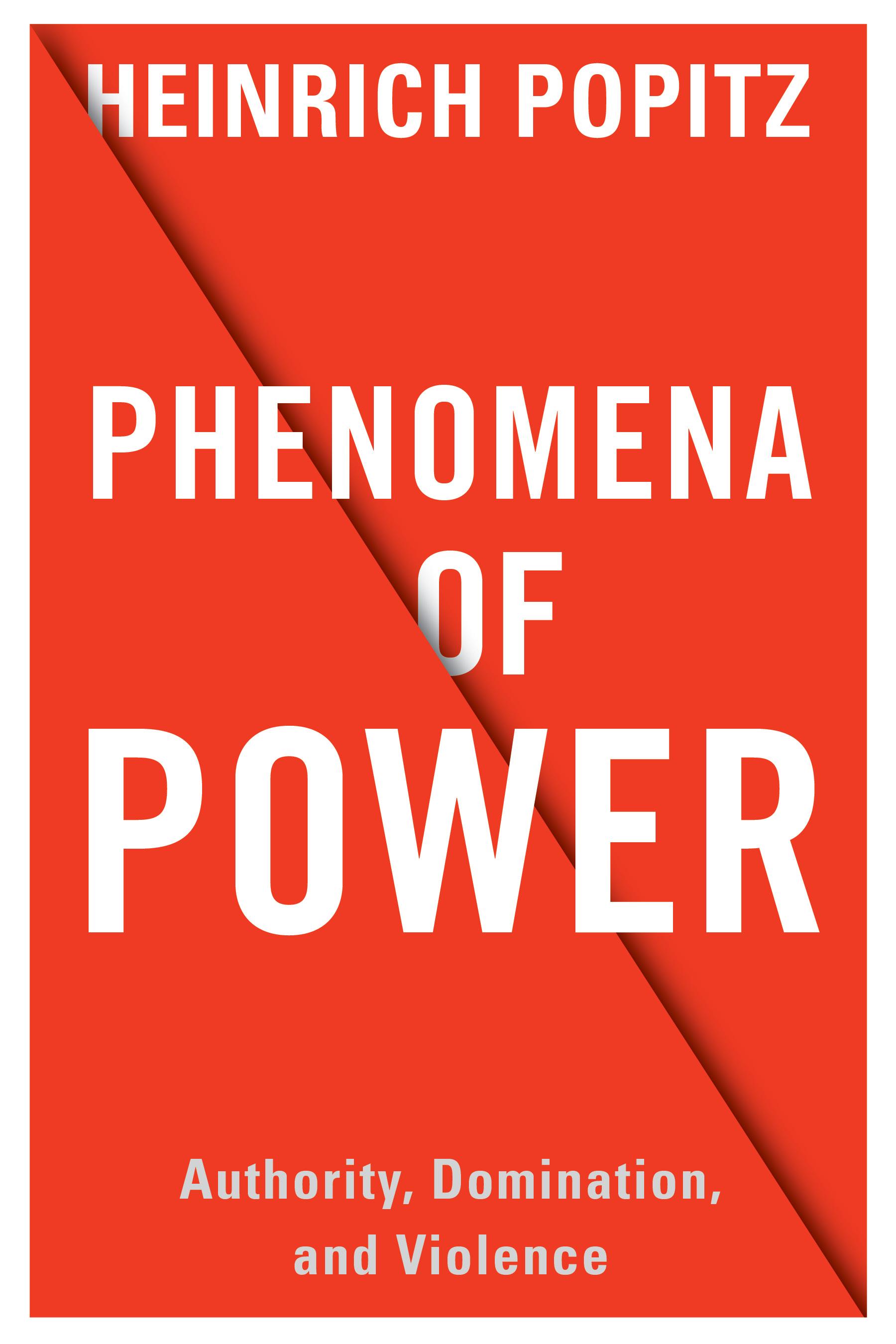
In Phenomena of Power, one of the leading figures of postwar German sociology reflects on the nature, and many forms of, power. For Heinrich Popitz, power is rooted in the human condition and is therefore part of all social relations. Drawing on philosophical anthropology, he identifies the elementary forms of power to provide detailed insight into how individuals gain and perpetuate control over others. Instead of striving for a power-free society, Popitz argues, humanity should try to impose limits on power where possible and establish counterpower where necessary.
Phenomena of Power delves into the sociohistorical manifestations of power and breaks through to its general structures. Popitz distinguishes the forms of the enforcement of power as well as of its stabilization and institutionalization, clearly articulating how the mechanisms of power work and how to track them in the social world. Philosophically trained, historically informed, and endowed with keen observation, Popitz uses examples ranging from the way passengers on a ship organize deck chairs to how prisoners of war share property to illustrate his theory. Long influential in German sociology, Phenomena of Power offers a challenging reworking of one of the essential concepts of the social sciences.
Betaal eenvoudig met kaart, Klarna, Apple Pay of Google Pay. Niet tevreden? Je hebt altijd 14 dagen bedenktijd. Lees meer in onze voorwaarden. Heb je vragen, mail ons dan via hello@memmo.org.
Memmo maakt studeren makkelijker – waar je ook bent ter wereld. Wij brengen je cursusboeken en slimme studietools samen op één plek: samenvattingen, quizzen, podcasts en flashcards. En Ted, je studievriend die antwoord geeft op alles wat je je afvraagt. Meer dan 50.000 studenten studeren hier al – gebouwd om je sneller te laten leren en minder stress te geven.