
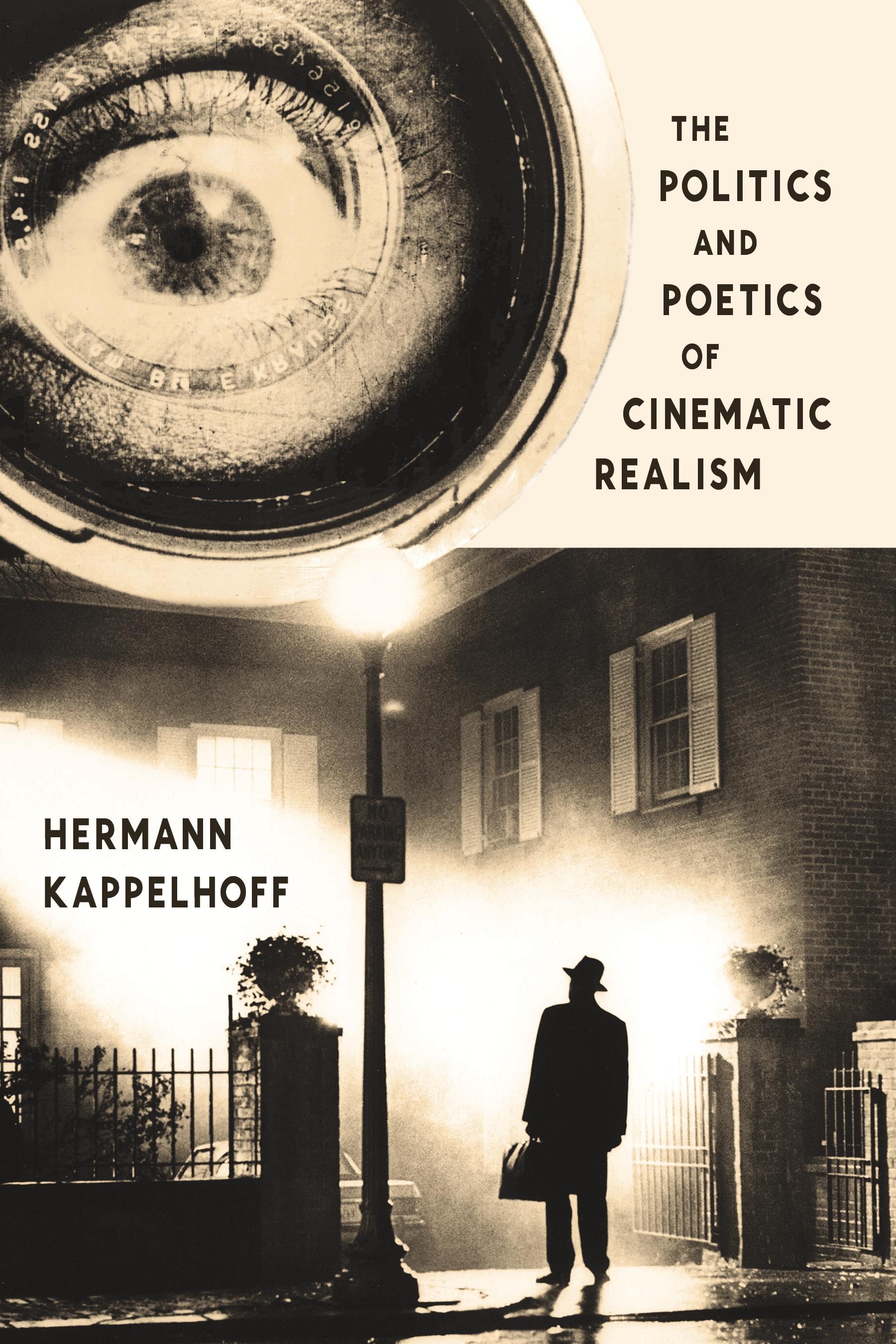
Hermann Kappelhoff casts the evolution of cinema as an ongoing struggle to relate audiences to their historical moment. Appreciating cinema's unique ability to bind concrete living conditions to individual experience (which existing political institutions cannot), he reads films by Sergei Eisenstein and Pedro Almodóvar, by the New Objectivity and the New Hollywood, to demonstrate how cinema situates spectators within society.
Kappelhoff applies the Deleuzean practice of "thinking in images" to his analysis of films and incorporates the approaches of Jacques Rancière and Richard Rorty, who see politics in the permanent reconfiguration of poetic forms. This enables him to conceptualize film as a medium that continually renews the audiovisual spaces and temporalities through which audiences confront reality. Revitalizing the reading of films by Visconti, Fassbinder, Kubrick, Friedkin, and others, Kappelhoff affirms cinema's historical significance while discovering its engagement with politics as a realm of experience.
Betaal eenvoudig met kaart, Klarna, Apple Pay of Google Pay. Niet tevreden? Je hebt altijd 14 dagen bedenktijd. Lees meer in onze voorwaarden. Heb je vragen, mail ons dan via hello@memmo.org.
Memmo maakt studeren makkelijker – waar je ook bent ter wereld. Wij brengen je cursusboeken en slimme studietools samen op één plek: samenvattingen, quizzen, podcasts en flashcards. En Ted, je studievriend die antwoord geeft op alles wat je je afvraagt. Meer dan 50.000 studenten studeren hier al – gebouwd om je sneller te laten leren en minder stress te geven.