
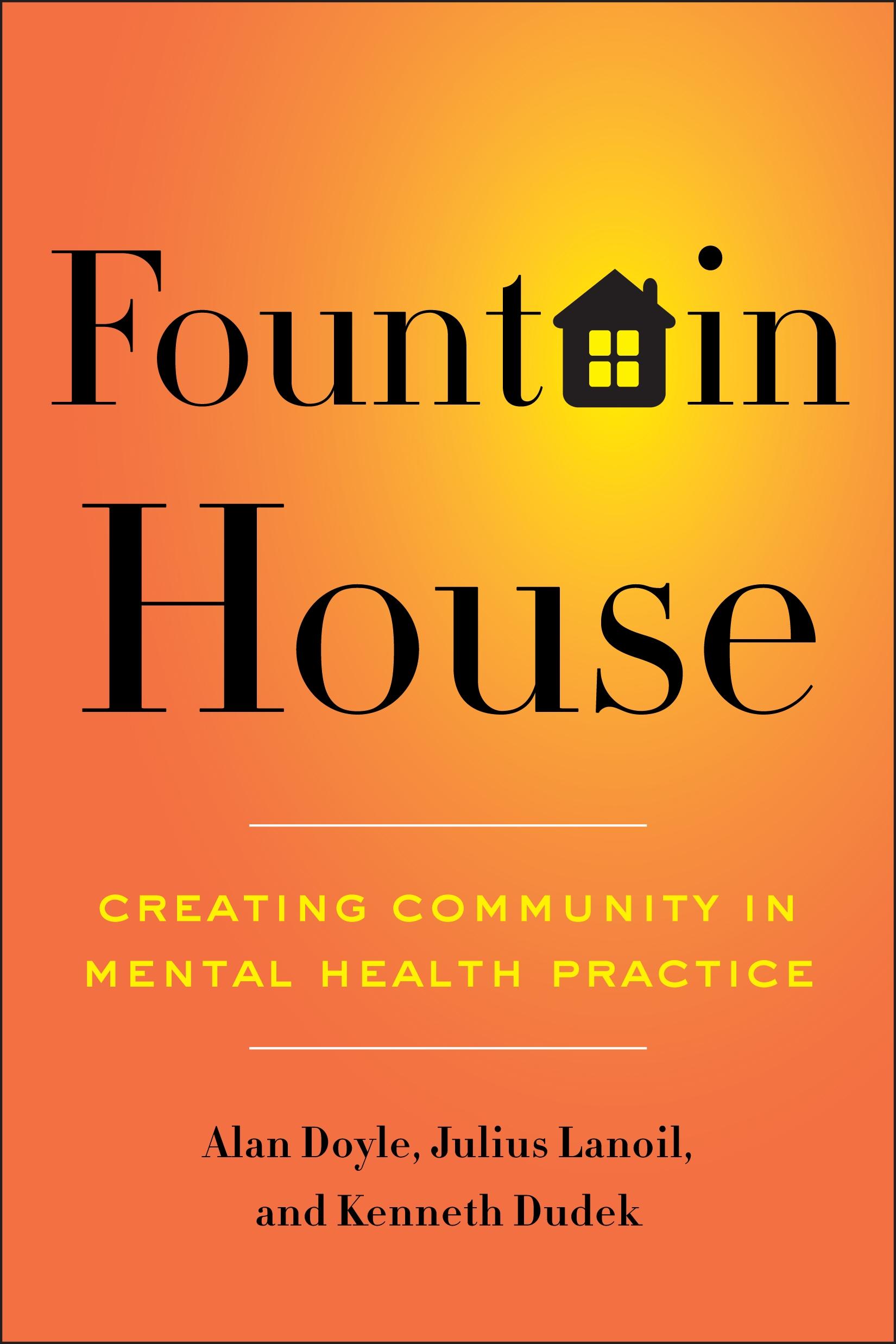
Often people with mental illness feel alone in society, with no place to go and little hope. Their isolation can be further perpetuated through typical approaches to treatment, such as case management and psychotherapy.
Since 1948, the Fountain House "working community" has worked to address the isolation and social stigmatization faced by people with mental illness. This volume describes in detail its evidence-based, cost-effective, and replicable model, which produces substantive outcomes in employment, schooling, housing, and general wellness. Through an emphasis on personal choice, professional and patient collaboration, and, most important, "the need to be needed," Fountain House demonstrates that people with serious mental illness can not only live but also contribute and thrive in society.
The authors also explore the evolution of Fountain House practice, which is grounded in social work and psychiatry and informs current strength-based and recovery methodologies. Its inherent humanity, social inclusivity, message of personal empowerment, and innovation—a unique approach on behalf of people suffering from mental illness—have led to the paradigm's worldwide adoption.
Betaal eenvoudig met kaart, Klarna, Apple Pay of Google Pay. Niet tevreden? Je hebt altijd 14 dagen bedenktijd. Lees meer in onze voorwaarden. Heb je vragen, mail ons dan via hello@memmo.org.
Memmo maakt studeren makkelijker – waar je ook bent ter wereld. Wij brengen je cursusboeken en slimme studietools samen op één plek: samenvattingen, quizzen, podcasts en flashcards. En Ted, je studievriend die antwoord geeft op alles wat je je afvraagt. Meer dan 50.000 studenten studeren hier al – gebouwd om je sneller te laten leren en minder stress te geven.