
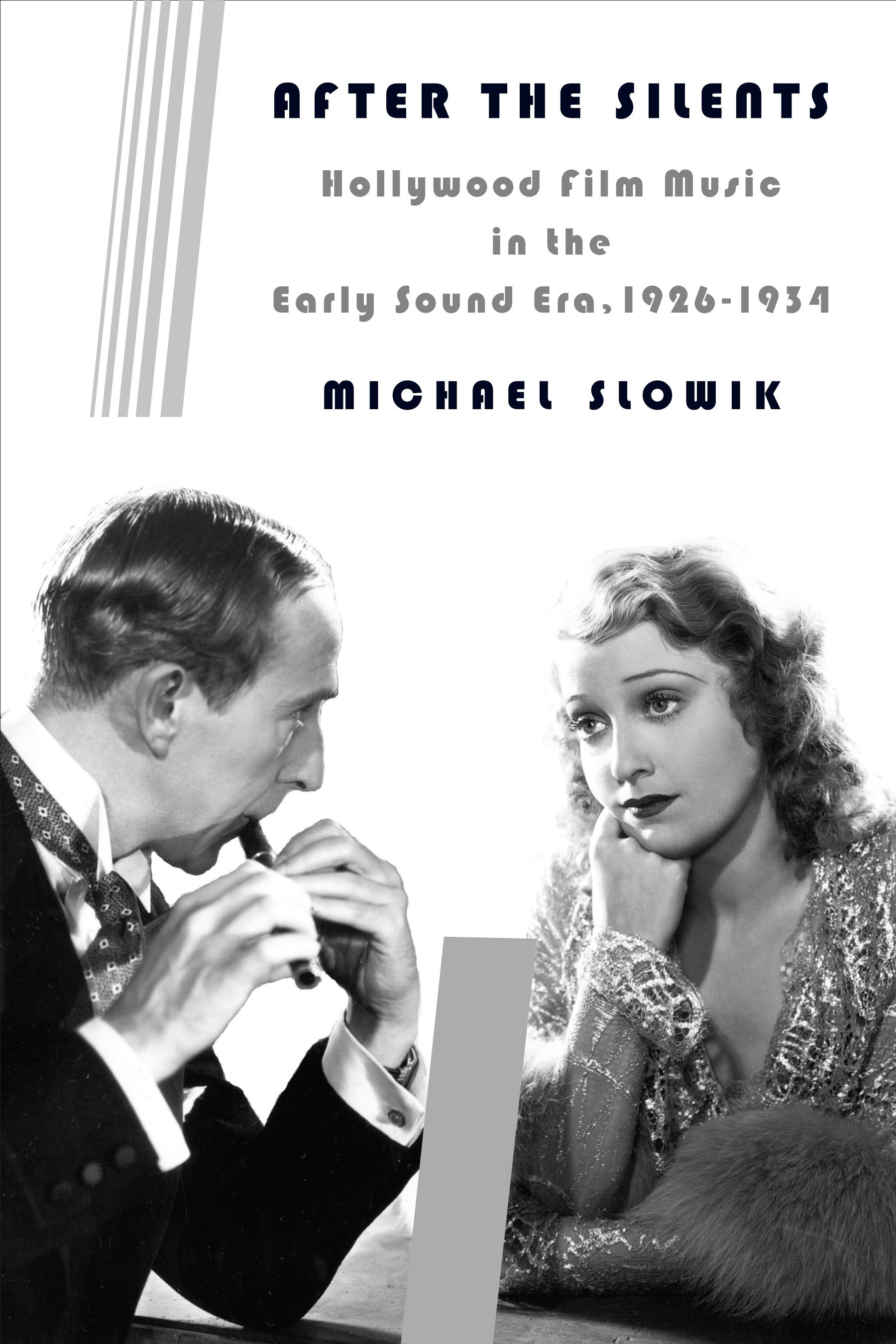
Many believe Max Steiner's score for King Kong (1933) was the first important attempt at integrating background music into sound film, but a closer look at the industry's early sound era (1926–1934) reveals a more extended and fascinating story. Viewing more than two hundred films from the period, Michael Slowik launches the first comprehensive study of a long-neglected phase in Hollywood's initial development, recasting the history of film sound and its relationship to the "Golden Age" of film music (1935–1950).
Slowik follows filmmakers' shifting combinations of sound and image, recapturing the volatility of this era and the variety of film music strategies that were tested, abandoned, and kept. He explores early film music experiments and accompaniment practices in opera, melodrama, musicals, radio, and silent films and discusses the impact of the advent of synchronized dialogue. He concludes with a reassessment of King Kong and its groundbreaking approach to film music, challenging the film's place and importance in the timeline of sound achievement.
Betaal eenvoudig met kaart, Klarna, Apple Pay of Google Pay. Niet tevreden? Je hebt altijd 14 dagen bedenktijd. Lees meer in onze voorwaarden. Heb je vragen, mail ons dan via hello@memmo.org.
Memmo maakt studeren makkelijker – waar je ook bent ter wereld. Wij brengen je cursusboeken en slimme studietools samen op één plek: samenvattingen, quizzen, podcasts en flashcards. En Ted, je studievriend die antwoord geeft op alles wat je je afvraagt. Meer dan 50.000 studenten studeren hier al – gebouwd om je sneller te laten leren en minder stress te geven.