
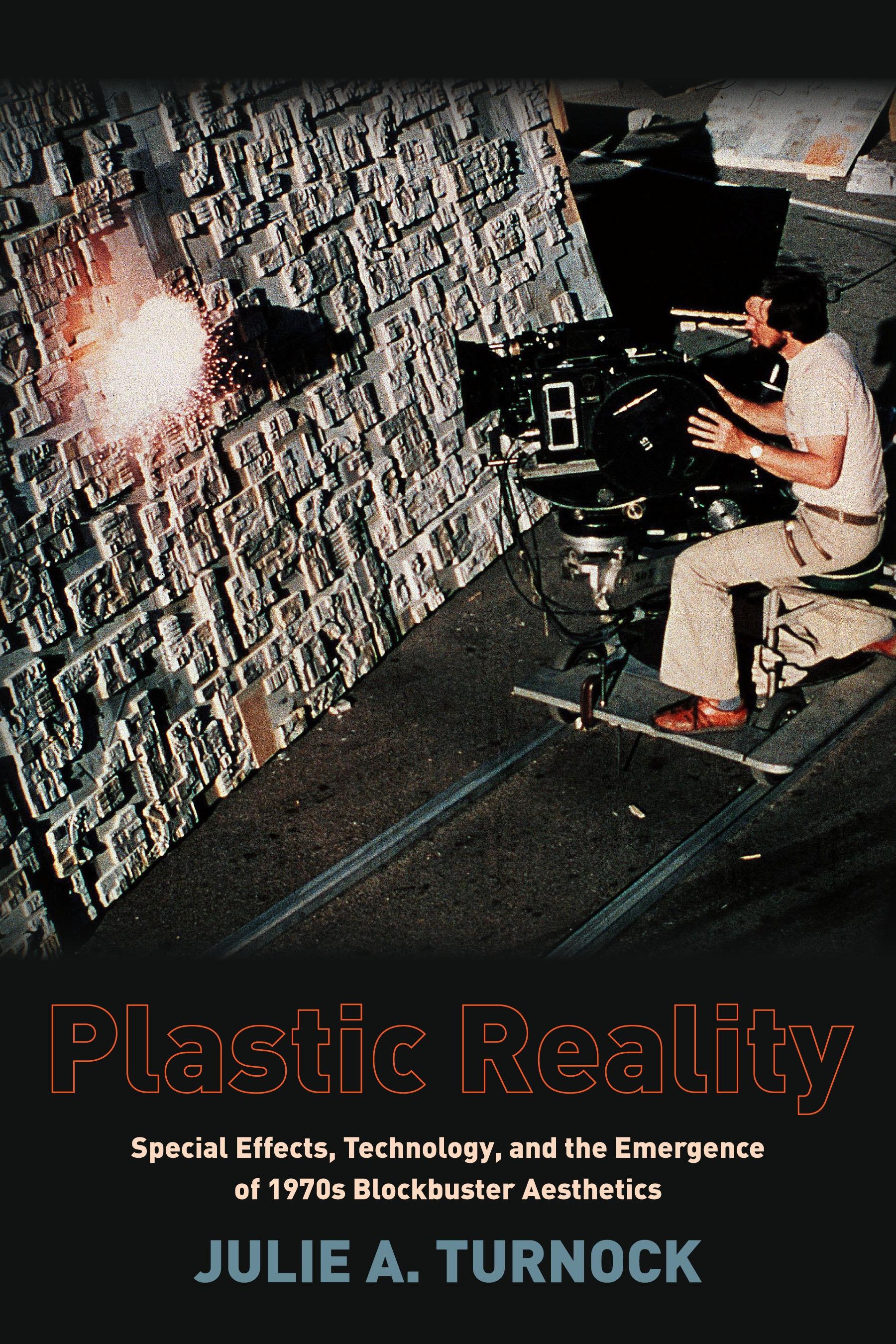
Julie A. Turnock tracks the use and evolution of special effects in 1970s filmmaking, a development as revolutionary to film as the form's transition to sound in the 1920s. Beginning with the classical studio era's early approaches to special effects, she follows the industry's slow build toward the significant advances of the late 1960s and early 1970s, which set the stage for the groundbreaking achievements of 1977.
Turnock analyzes the far-reaching impact of the convincing, absorbing, and seemingly unlimited fantasy environments of that year's iconic films, dedicating a major section of her book to the unparalleled innovations of Star Wars and Close Encounters of the Third Kind. She then traces these films' technological, cultural, and aesthetic influence into the 1980s in the deployment of optical special effects as well as the "not-too-realistic" and hyper-realistic techniques of traditional stop motion and Showscan. She concludes with a critique of special effects practices in the 2000s and their implications for the future of filmmaking and the production and experience of other visual media.
Betaal eenvoudig met kaart, Klarna, Apple Pay of Google Pay. Niet tevreden? Je hebt altijd 14 dagen bedenktijd. Lees meer in onze voorwaarden. Heb je vragen, mail ons dan via hello@memmo.org.
Memmo maakt studeren makkelijker – waar je ook bent ter wereld. Wij brengen je cursusboeken en slimme studietools samen op één plek: samenvattingen, quizzen, podcasts en flashcards. En Ted, je studievriend die antwoord geeft op alles wat je je afvraagt. Meer dan 50.000 studenten studeren hier al – gebouwd om je sneller te laten leren en minder stress te geven.