
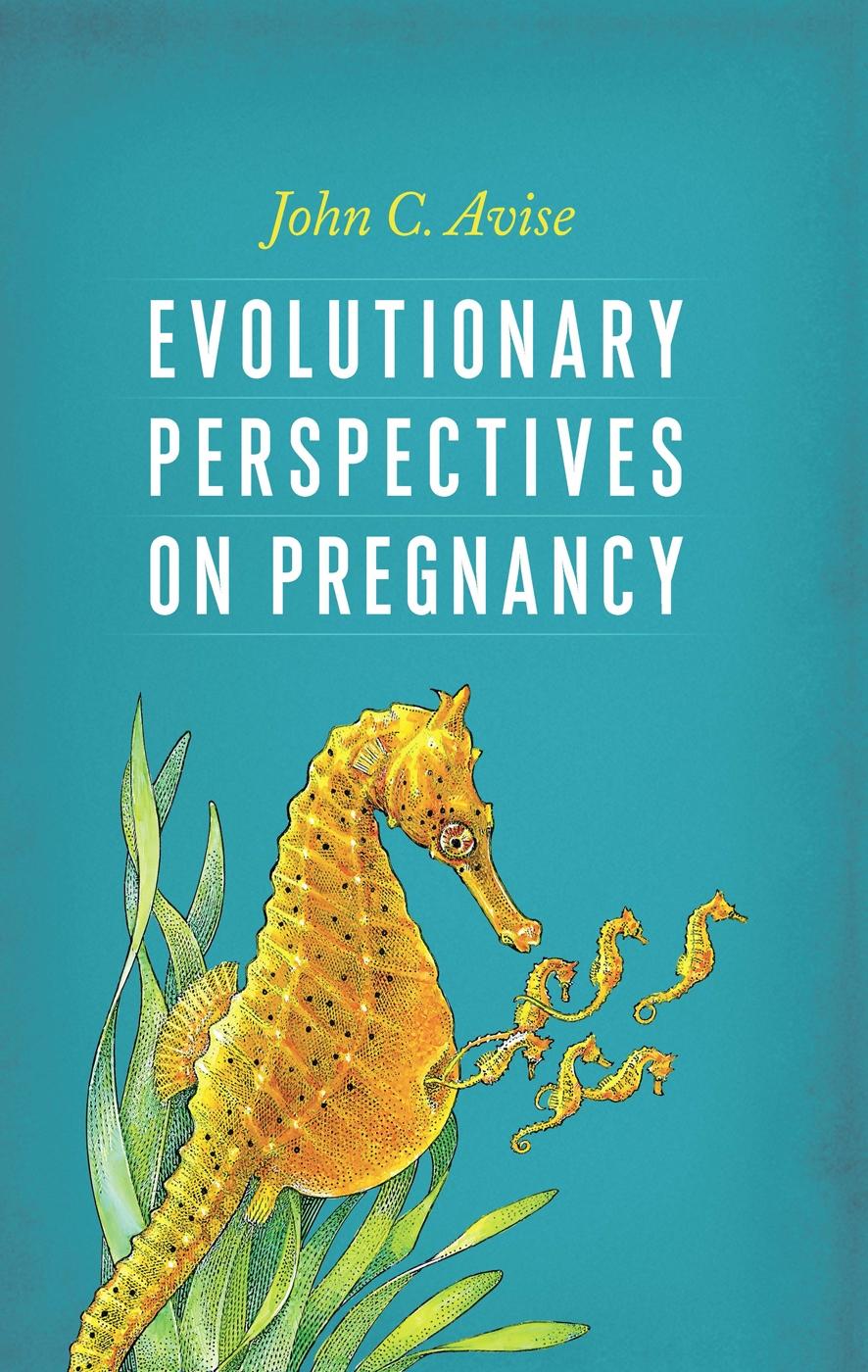
Covering both the internal and external incubation of offspring, this book provides a biology-rich survey of the natural history, ecology, genetics, and evolution of pregnancy-like phenomena. From mammals and other live-bearing organisms to viviparous reptiles, male-pregnant fishes, larval-brooding worms, crabs, sea cucumbers, and corals, the world's various species display pregnancy and other forms of parental devotion in surprisingly multifaceted ways. An adult female (or male) can incubate its offspring in a womb, stomach, mouth, vocal sac, gill chamber, epithelial pouch, backpack, leg pocket, nest, or an encasing of embryos, and by studying these diverse examples from a comparative vantage point, the ecological and evolutionary-genetic outcomes of different reproductive models become fascinatingly clear.
John C. Avise discusses each mode of pregnancy and the decipherable genetic signatures it has left on the reproductive structures, physiologies, and innate sexual behaviors of extant species. By considering the many biological aspects of gestation from different evolutionary angles, Avise offers captivating new insights into the significance of "heavy" parental investment in progeny.
Betaal eenvoudig met kaart, Klarna, Apple Pay of Google Pay. Niet tevreden? Je hebt altijd 14 dagen bedenktijd. Lees meer in onze voorwaarden. Heb je vragen, mail ons dan via hello@memmo.org.
Memmo maakt studeren makkelijker – waar je ook bent ter wereld. Wij brengen je cursusboeken en slimme studietools samen op één plek: samenvattingen, quizzen, podcasts en flashcards. En Ted, je studievriend die antwoord geeft op alles wat je je afvraagt. Meer dan 50.000 studenten studeren hier al – gebouwd om je sneller te laten leren en minder stress te geven.