
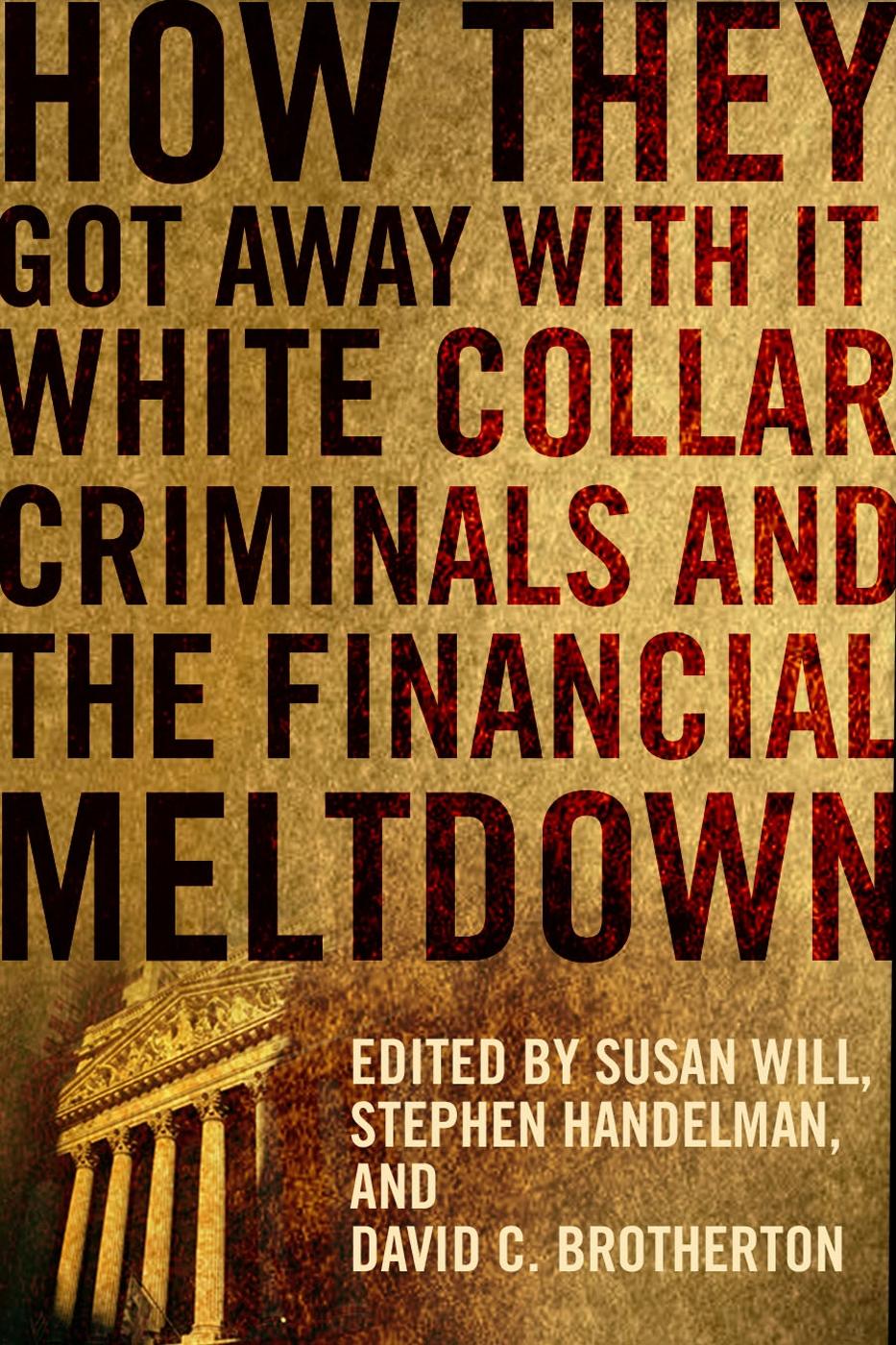
A team of scholars with backgrounds in criminology, sociology, economics, business, government regulation, and law examine the historical, social, and cultural causes of the 2008 economic crisis. Essays probe the workings of the toxic subprime loan industry, the role of external auditors, the consequences of Wall Street deregulation, the manipulations of alpha hedge fund managers, and the "Ponzi-like" culture of contemporary capitalism. They unravel modern finance's complex schematics and highlight their susceptibility to corruption, fraud, and outright racketeering. They examine the involvement of enablers, including accountants, lawyers, credit rating agencies, and regulatory workers, who failed to protect the public interest and enforce existing checks and balances. While the United States was "ground zero" of the meltdown, the financial crimes of other countries intensified the disaster. Internationally-focused essays consider bad practices in China and the European property markets and draw attention to the far-reaching consequences of transnational money laundering and tax evasion schemes. By approaching the 2008 crisis from the perspective of white collar criminology, contributors build a more general understanding of the collapse and crystallize the multiple human and institutional factors preventing capture of even the worst offenders.
Betaal eenvoudig met kaart, Klarna, Apple Pay of Google Pay. Niet tevreden? Je hebt altijd 14 dagen bedenktijd. Lees meer in onze voorwaarden. Heb je vragen, mail ons dan via hello@memmo.org.
Memmo maakt studeren makkelijker – waar je ook bent ter wereld. Wij brengen je cursusboeken en slimme studietools samen op één plek: samenvattingen, quizzen, podcasts en flashcards. En Ted, je studievriend die antwoord geeft op alles wat je je afvraagt. Meer dan 50.000 studenten studeren hier al – gebouwd om je sneller te laten leren en minder stress te geven.
Misschien vind je dit ook leuk
Koop het boek0