
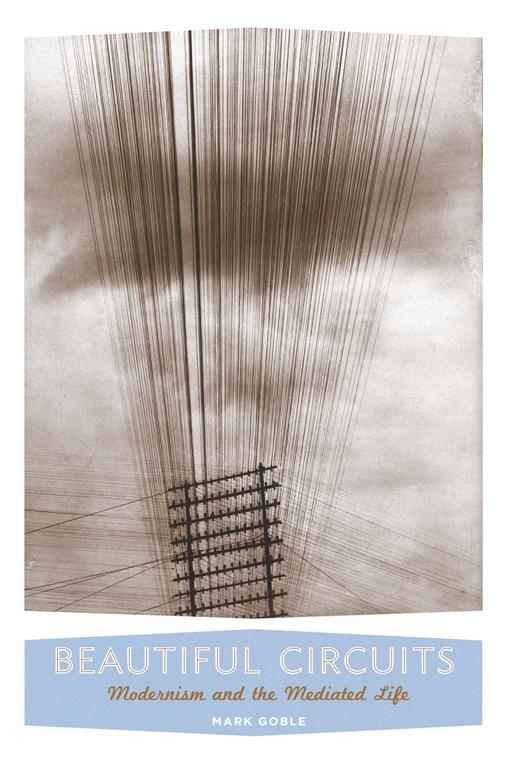
Considering texts by Henry James, Gertrude Stein, James Weldon Johnson, F. Scott Fitzgerald, Ralph Ellison, Richard Wright, James Agee, and William Carlos Williams, alongside film, painting, music, and popular culture, Mark Goble explores the development of American modernism as it was shaped by its response to technology and an attempt to change how literature itself could communicate.
Goble's original readings reinterpret the aesthetics of modernism in the early twentieth century, when new modes of communication made the experience of technology an occasion for profound experimentation and reflection. He follows the assimilation of such "old" media technologies as the telegraph, telephone, and phonograph and their role in inspiring fantasies of connection, which informed a commitment to the materiality of artistic mediums. Describing how relationships made possible by technology became more powerfully experienced with technology, Goble explores a modernist fetish for media that shows no signs of abating. The "mediated life" puts technology into communication with a series of shifts in how Americans conceive the mechanics and meanings of their connections to one another, and therefore to the world and to their own modernity.
Betaal eenvoudig met kaart, Klarna, Apple Pay of Google Pay. Niet tevreden? Je hebt altijd 14 dagen bedenktijd. Lees meer in onze voorwaarden. Heb je vragen, mail ons dan via hello@memmo.org.
Memmo maakt studeren makkelijker – waar je ook bent ter wereld. Wij brengen je cursusboeken en slimme studietools samen op één plek: samenvattingen, quizzen, podcasts en flashcards. En Ted, je studievriend die antwoord geeft op alles wat je je afvraagt. Meer dan 50.000 studenten studeren hier al – gebouwd om je sneller te laten leren en minder stress te geven.