
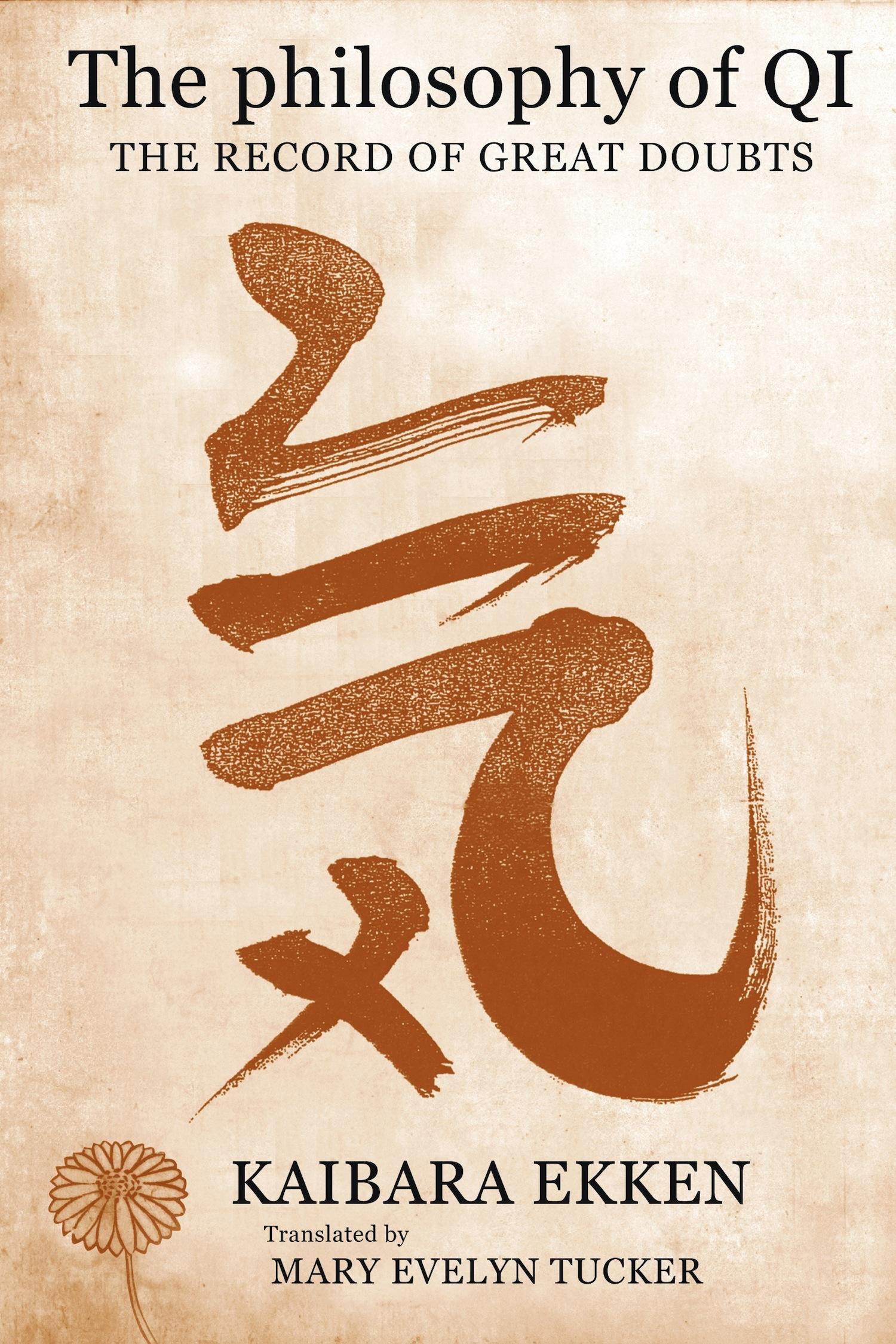
The Record of Great Doubts emphasizes the role of qi in achieving a life of engagement with other humans, with the larger society, and with nature as a whole. Rather than encourage transcendental escapism or quietism, Ekken articulates a philosophy of material force as a basis of living a life of commitment to the world. In this spirit, moral cultivation is not an isolated or a self-centered preoccupation, but an activity that occurs within the dynamic forces of nature and amid the rigorous demands of society. In this context, a vitalism of qi is an emergent force, not only providing the philosophical grounding for this vibrant interaction but also giving a basis for an investigation of the natural world that plumbs the principle within things. Ekken thus aimed to articulate a creative and dynamic milieu for moral education, political harmony, social coherence, and agricultural sustainability.
The Record of Great Doubts embodies Ekken's profound commitment to Confucian ideas and practices as a method for establishing an integrative ethical vision, one he hoped would guide Japan through a new period of peace and stability. A major philosophical treatise in the Japanese Neo-Confucian tradition, The Record of Great Doubts illuminates a crucial chapter in East Asian intellectual history.
Betaal eenvoudig met kaart, Klarna, Apple Pay of Google Pay. Niet tevreden? Je hebt altijd 14 dagen bedenktijd. Lees meer in onze voorwaarden. Heb je vragen, mail ons dan via hello@memmo.org.
Memmo maakt studeren makkelijker – waar je ook bent ter wereld. Wij brengen je cursusboeken en slimme studietools samen op één plek: samenvattingen, quizzen, podcasts en flashcards. En Ted, je studievriend die antwoord geeft op alles wat je je afvraagt. Meer dan 50.000 studenten studeren hier al – gebouwd om je sneller te laten leren en minder stress te geven.