
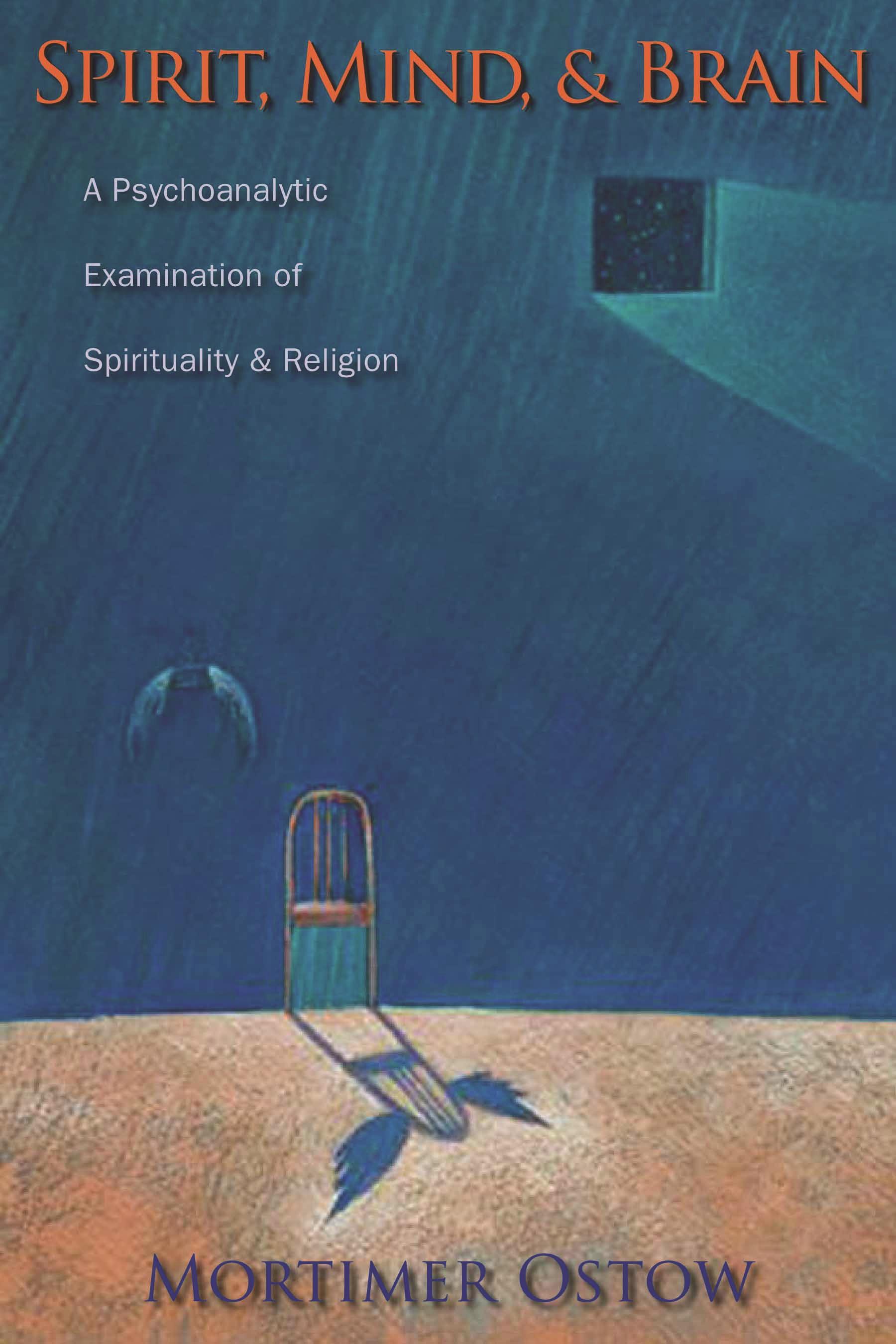
Preeminent psychoanalyst Mortimer Ostow believes that early childhood emotional attachments form the cognitive underpinnings of spiritual experience and religious motivation. His hypothesis, which is verifiable, relies on psychological and neurobiological evidence but is respectful of the human need for spiritual value.
Ostow begins by classifying the three parts of the spiritual experience: awe, Spirituality proper, and mysticism. After he pinpoints the psychological origins of these feelings in infancy, he discusses the foundations of religious sentiment and practice and the brain processes associated with spiritual experience. He then focuses on spirituality's relationship to mood regulation, and the role of negative spirituality in fostering religious fundamentalism and demonic possession.
Ostow concludes with an analysis of an essay by the psychoanalyst Donald M. Marcus, who recounts his own spiritual experience during a Native American-style "vision quest" in the woods. Marcus's account demonstrates the constructive potential of spirituality and the way in which spirituality retrieves and recapitulates feelings of attachment to the mother.
Persuasively and brilliantly argued, Spirit, Mind, and Brain brings the disciplines of religion, behavorial neuroscience, and philosophy to bear on a groundbreaking new method for understanding religious ritual and belief.
Betaal eenvoudig met kaart, Klarna, Apple Pay of Google Pay. Niet tevreden? Je hebt altijd 14 dagen bedenktijd. Lees meer in onze voorwaarden. Heb je vragen, mail ons dan via hello@memmo.org.
Memmo maakt studeren makkelijker – waar je ook bent ter wereld. Wij brengen je cursusboeken en slimme studietools samen op één plek: samenvattingen, quizzen, podcasts en flashcards. En Ted, je studievriend die antwoord geeft op alles wat je je afvraagt. Meer dan 50.000 studenten studeren hier al – gebouwd om je sneller te laten leren en minder stress te geven.