
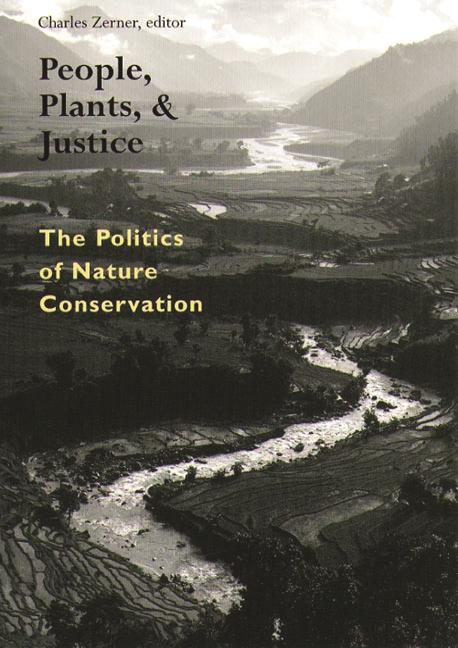
In an era of market triumphalism, this book probes the social and environmental consequences of market-linked nature conservation schemes. Rather than supporting a new anti-market orthodoxy, Charles Zerner and colleagues assert that there is no universal entity, "the market." Analysis and remedies must be based on broader considerations of history, culture, and geography in order to establish meaningful and lasting changes in policy and practice.
Original case studies from Asia, Latin America, Africa, and the South Pacific focus on topics as diverse as ecotourism, bioprospecting, oil extraction, cyanide fishing, timber extraction, and property rights. The cases position concerns about biodiversity conservation and resource management within social justice and legal perspectives, providing new insights for students, scholars, policy professionals and donor/foundations engaged in international conservation and social justice.
Betaal eenvoudig met kaart, Klarna, Apple Pay of Google Pay. Niet tevreden? Je hebt altijd 14 dagen bedenktijd. Lees meer in onze voorwaarden. Heb je vragen, mail ons dan via hello@memmo.org.
Memmo maakt studeren makkelijker – waar je ook bent ter wereld. Wij brengen je cursusboeken en slimme studietools samen op één plek: samenvattingen, quizzen, podcasts en flashcards. En Ted, je studievriend die antwoord geeft op alles wat je je afvraagt. Meer dan 50.000 studenten studeren hier al – gebouwd om je sneller te laten leren en minder stress te geven.