
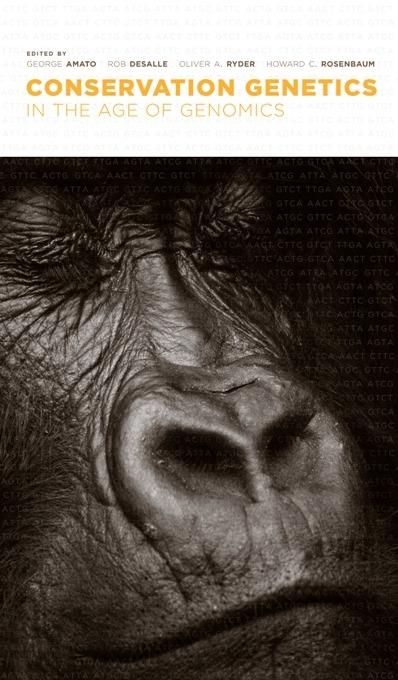
Genome sequencing enables scientists to study genes over time and to test the genetic variability of any form of life, from bacteria to mammals. Thanks to advances in molecular genetics, scientists can now determine an animal's degree of inbreeding or compare genetic variation of a captive species to wild or natural populations. Mapping an organism's genetic makeup recasts such terms as biodiversity and species and enables the conservation of rare or threatened species, populations, and genes.
By introducing a new paradigm for studying and preserving life at a variety of levels, genomics offers solutions to previously intractable problems in understanding the biology of complex organisms and creates new tools for preserving the patterns and processes of life on this planet. Featuring a number of high-profile researchers, this volume introduces the use of molecular genetics in conservation biology and provides a historical perspective on the opportunities and challenges presented by new technologies. It discusses zoo-, museum-, and herbarium-based biological collections, which have expanded over the past decade, and covers the promises and problems of genomic and reproductive technology. The collection concludes with the philosophical and legal issues of conservation genetics and their potential effects on public policy.
Betaal eenvoudig met kaart, Klarna, Apple Pay of Google Pay. Niet tevreden? Je hebt altijd 14 dagen bedenktijd. Lees meer in onze voorwaarden. Heb je vragen, mail ons dan via hello@memmo.org.
Memmo maakt studeren makkelijker – waar je ook bent ter wereld. Wij brengen je cursusboeken en slimme studietools samen op één plek: samenvattingen, quizzen, podcasts en flashcards. En Ted, je studievriend die antwoord geeft op alles wat je je afvraagt. Meer dan 50.000 studenten studeren hier al – gebouwd om je sneller te laten leren en minder stress te geven.