
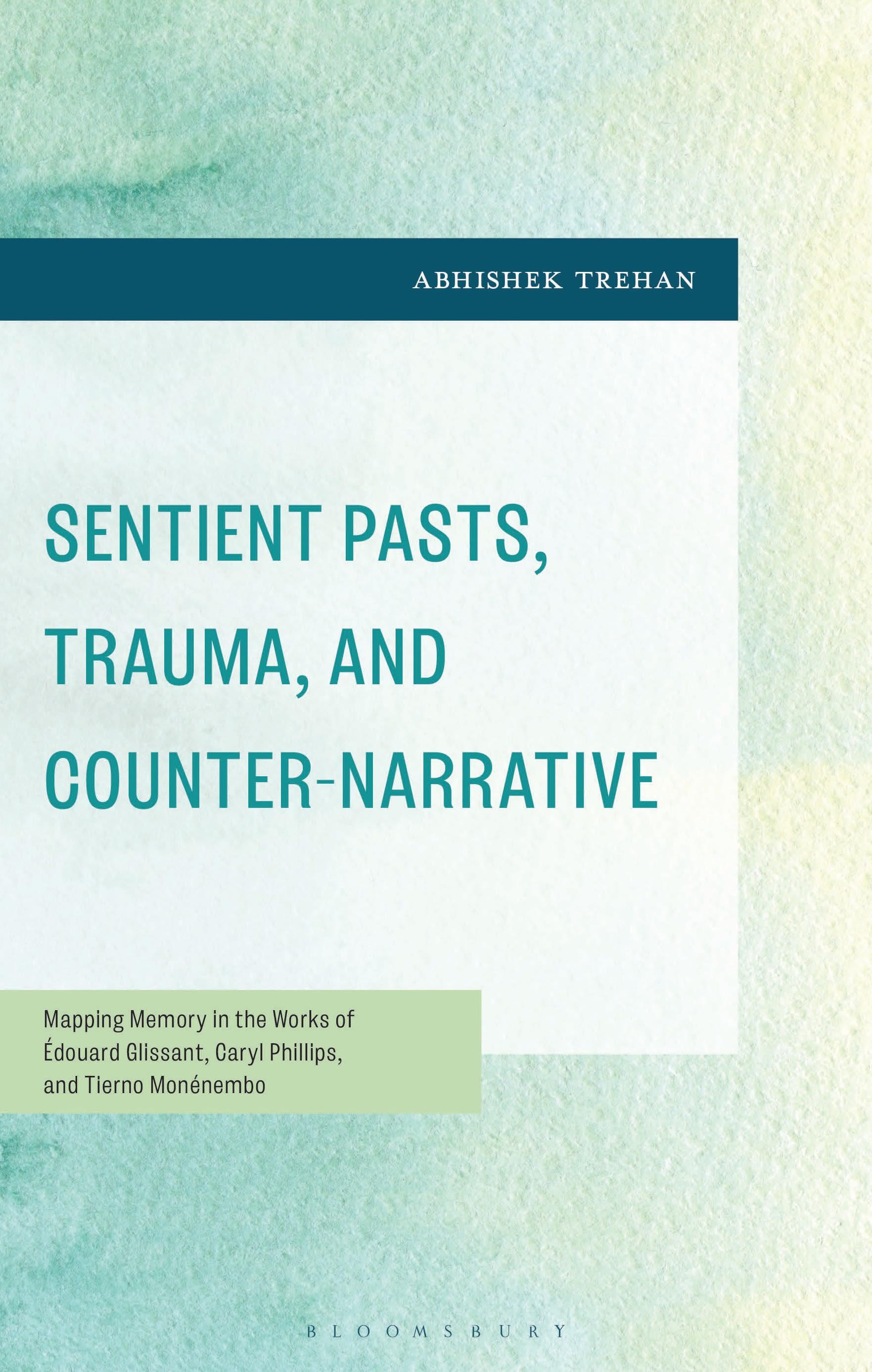
Drawing upon the theories of memory studies, this book challenges the historical authenticity of colonialism in the works of Édouard Glissant, Caryl Phillips, and Tierno Monénembo as they seek to place their fiction in the aftermath of reparative histories.
Trehan examines not only the histories of displacement, diasporic traditions, genocidal trauma or continuation of colonialist affiliations in postcolonial societies, but the creative resistance to hegemony. Focusing on the embedded historical memory, the author examines the implications of remembrance (including selective remembering and forgetting) in the process of decolonization-bringing forth the struggle of representation and recognition. This book probes the transmission of traumatic memory across generations by amplifying the nexus between history and memory, reading beyond nation-based interpretations. By comparing the continuity of colonial legacy in the works of Glissant, Phillips, and Monénembo, Trehan examines a model of postcolonial inheritance to understand how ordinary people relate to the question of political expression by focusing on the colonial history, memory, and trauma.
Trehan examines not only the histories of displacement, diasporic traditions, genocidal trauma or continuation of colonialist affiliations in postcolonial societies, but the creative resistance to hegemony. Focusing on the embedded historical memory, the author examines the implications of remembrance (including selective remembering and forgetting) in the process of decolonization-bringing forth the struggle of representation and recognition. This book probes the transmission of traumatic memory across generations by amplifying the nexus between history and memory, reading beyond nation-based interpretations. By comparing the continuity of colonial legacy in the works of Glissant, Phillips, and Monénembo, Trehan examines a model of postcolonial inheritance to understand how ordinary people relate to the question of political expression by focusing on the colonial history, memory, and trauma.
Paga facilmente con carta, Klarna, Apple Pay o Google Pay. Non sei soddisfatto? Hai sempre 14 giorni per il rimborso. Leggi di più nei nostri termini. Per qualsiasi domanda, scrivici a hello@memmo.org.
Memmo rende lo studio più facile, ovunque tu sia nel mondo. Qui trovi i tuoi libri di testo e strumenti di studio intelligenti, tutto in un unico posto: riassunti, quiz, podcast e flashcard. E poi c'è Ted, il tuo compagno di studio che risponde a ogni tua domanda. Oltre 50.000 studenti studiano già qui: è stato creato per aiutarti a imparare più velocemente e a stressarti meno.