
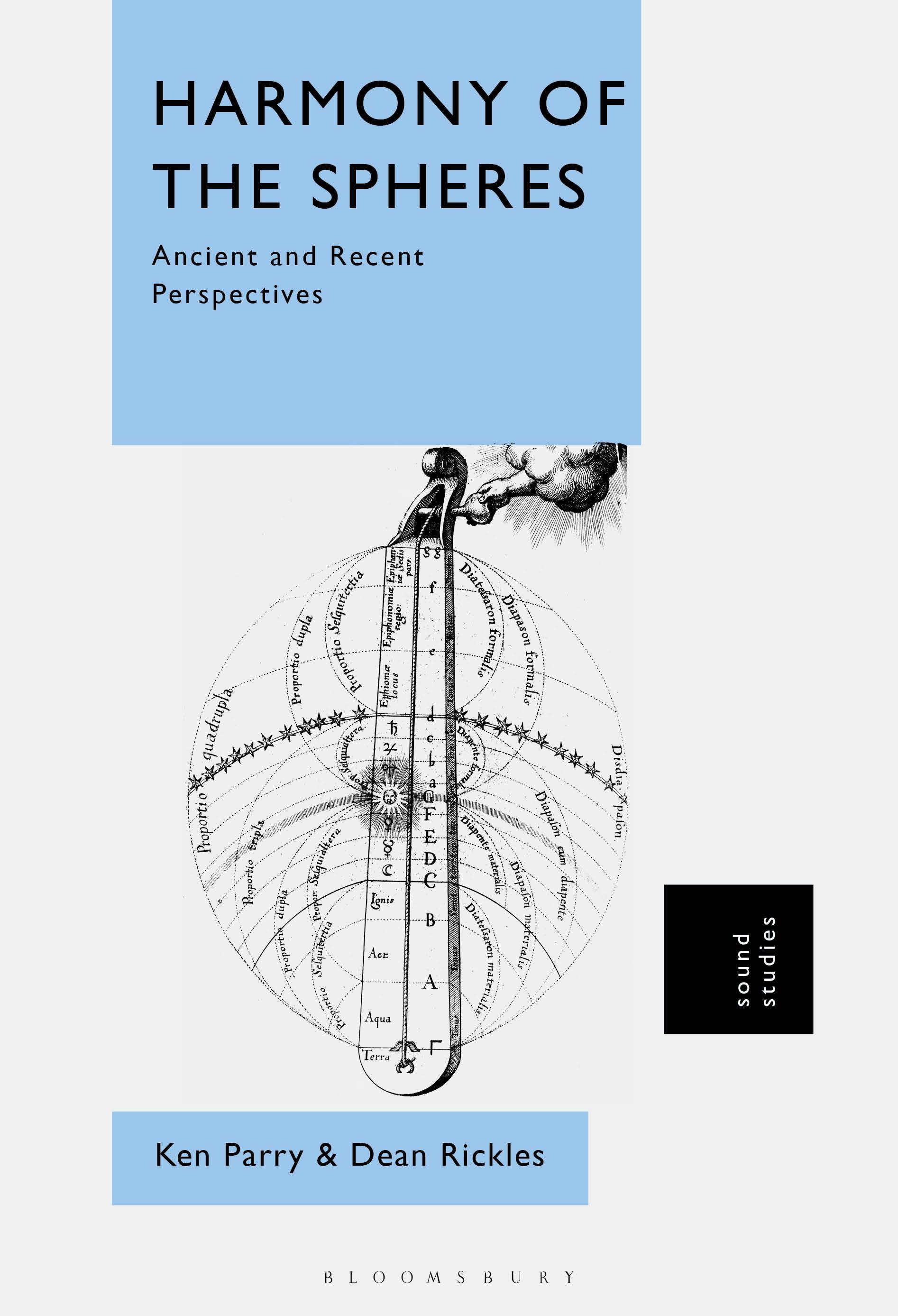
This collection of interdisciplinary and multicultural essays takes a novel approach to the ancient theory of the Harmony of the Spheres and the notion of musical harmony.
The idea of the harmony of the spheres is an old and venerable one, finding a parallel between the orderly nature of the cosmos and that of music. Wherever there is discussion of order, number, and frequency, connections to music are close at hand. Modern physics, while on the surface a long way from such ideas, tells a not dissimilar story. Here all things are in motion, ever oscillating, and since sound is a kind of vibration, we have the harmony of spheres built in from the ground up. There is a rhythm to the processes in nature too, from the planetary orbits down to the periodicity of atoms, to the beat of the heart and the circadian cycle. Harmony and rhythm seem to push through into the social world too, offering analogies for ordering (or disordering) societies. Therapeutic connections to health are becoming more apparent, with music able to control many bodily functions via the linkages between brain, heart, lungs, and other systems, which can treat illnesses caused by stress - or, inversely, music might trigger stress.
This volume presents both old and new approaches to the idea of the harmony of spheres, alternately returning to and revitalizing ancient ideas and taking entirely novel perspectives. Anchored in classical philosophy and religious sources, reflecting Muslim, Jewish, Sufi, Aboriginal, Alchemical/Hermetic/Occult, Kabbalistic, and Zoroastrian thought, this comprehensive work marks a timely reassessment of a perennial idea.
The idea of the harmony of the spheres is an old and venerable one, finding a parallel between the orderly nature of the cosmos and that of music. Wherever there is discussion of order, number, and frequency, connections to music are close at hand. Modern physics, while on the surface a long way from such ideas, tells a not dissimilar story. Here all things are in motion, ever oscillating, and since sound is a kind of vibration, we have the harmony of spheres built in from the ground up. There is a rhythm to the processes in nature too, from the planetary orbits down to the periodicity of atoms, to the beat of the heart and the circadian cycle. Harmony and rhythm seem to push through into the social world too, offering analogies for ordering (or disordering) societies. Therapeutic connections to health are becoming more apparent, with music able to control many bodily functions via the linkages between brain, heart, lungs, and other systems, which can treat illnesses caused by stress - or, inversely, music might trigger stress.
This volume presents both old and new approaches to the idea of the harmony of spheres, alternately returning to and revitalizing ancient ideas and taking entirely novel perspectives. Anchored in classical philosophy and religious sources, reflecting Muslim, Jewish, Sufi, Aboriginal, Alchemical/Hermetic/Occult, Kabbalistic, and Zoroastrian thought, this comprehensive work marks a timely reassessment of a perennial idea.
Paga facilmente con carta, Klarna, Apple Pay o Google Pay. Non sei soddisfatto? Hai sempre 14 giorni per il rimborso. Leggi di più nei nostri termini. Per qualsiasi domanda, scrivici a hello@memmo.org.
Memmo rende lo studio più facile, ovunque tu sia nel mondo. Qui trovi i tuoi libri di testo e strumenti di studio intelligenti, tutto in un unico posto: riassunti, quiz, podcast e flashcard. E poi c'è Ted, il tuo compagno di studio che risponde a ogni tua domanda. Oltre 50.000 studenti studiano già qui: è stato creato per aiutarti a imparare più velocemente e a stressarti meno.