
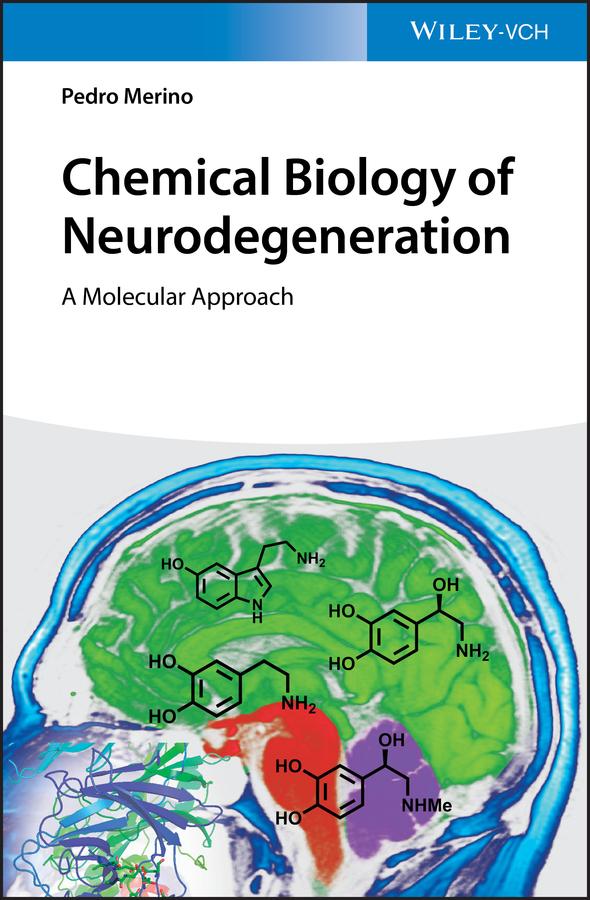
Bridges the gap between the chemistry of small molecule neuromodulators and the complex pattern of neurodegenerative disorders
Written by an experienced neurochemist, this book focuses on the main actors involved in neurodegenerative disorders at a molecular level, and places special emphasis on structural aspects and modes of action. Drawing on recent data on enzyme structure, mode of action, and inhibitor design, it describes?from a biochemical point of view?the six most important neurotransmitter systems and their constituent enzymes and receptors. Misfolding and aggregation of proteins within the brain is also covered. In addition, the book surveys a wide range of proven and prospective therapeutic agents that modulate key processes in the brain, from their chemical synthesis to their mode of action in model systems as well as in the patient.
Chemical Biology of Neurodegeneration: A Molecular Approach is presented in two parts. The first introduces the neurotransmitter systems and provides a general explanation of the synapse and a description of the main structures involved in neurotransmission that can be considered therapeutic targets for disorders of the central nervous system. The second part presents molecular and chemical aspects directly involved or affected in neurodegeneration, including the metabolism of neurotransmitters, enzymes processing neurotransmitters, protein misfolding, and therapeutic agents.
-Uses an interdisciplinary approach to bridge the gap between the basic biochemical events in a nerve cell and their neurological effects on the brain
-Places emphasis on the chemistry of small molecule modulators that are potential lead molecules for new drugs
-Covers six key neurotransmitter systems and their enzymes and receptors?dopaminergic, noradrenergic, serotonergic, cholinergic, GABAergic, and glutamatergic
Chemical Biology of Neurodegeneration: A Molecular Approach is a key resource for medicinal chemists, neurobiologists, neurochemists, biochemists, molecular biologists, and neurophysiologists.
Written by an experienced neurochemist, this book focuses on the main actors involved in neurodegenerative disorders at a molecular level, and places special emphasis on structural aspects and modes of action. Drawing on recent data on enzyme structure, mode of action, and inhibitor design, it describes?from a biochemical point of view?the six most important neurotransmitter systems and their constituent enzymes and receptors. Misfolding and aggregation of proteins within the brain is also covered. In addition, the book surveys a wide range of proven and prospective therapeutic agents that modulate key processes in the brain, from their chemical synthesis to their mode of action in model systems as well as in the patient.
Chemical Biology of Neurodegeneration: A Molecular Approach is presented in two parts. The first introduces the neurotransmitter systems and provides a general explanation of the synapse and a description of the main structures involved in neurotransmission that can be considered therapeutic targets for disorders of the central nervous system. The second part presents molecular and chemical aspects directly involved or affected in neurodegeneration, including the metabolism of neurotransmitters, enzymes processing neurotransmitters, protein misfolding, and therapeutic agents.
-Uses an interdisciplinary approach to bridge the gap between the basic biochemical events in a nerve cell and their neurological effects on the brain
-Places emphasis on the chemistry of small molecule modulators that are potential lead molecules for new drugs
-Covers six key neurotransmitter systems and their enzymes and receptors?dopaminergic, noradrenergic, serotonergic, cholinergic, GABAergic, and glutamatergic
Chemical Biology of Neurodegeneration: A Molecular Approach is a key resource for medicinal chemists, neurobiologists, neurochemists, biochemists, molecular biologists, and neurophysiologists.
Paga facilmente con carta, Klarna, Apple Pay o Google Pay. Non sei soddisfatto? Hai sempre 14 giorni per il rimborso. Leggi di più nei nostri termini. Per qualsiasi domanda, scrivici a hello@memmo.org.
Memmo rende lo studio più facile, ovunque tu sia nel mondo. Qui trovi i tuoi libri di testo e strumenti di studio intelligenti, tutto in un unico posto: riassunti, quiz, podcast e flashcard. E poi c'è Ted, il tuo compagno di studio che risponde a ogni tua domanda. Oltre 50.000 studenti studiano già qui: è stato creato per aiutarti a imparare più velocemente e a stressarti meno.