
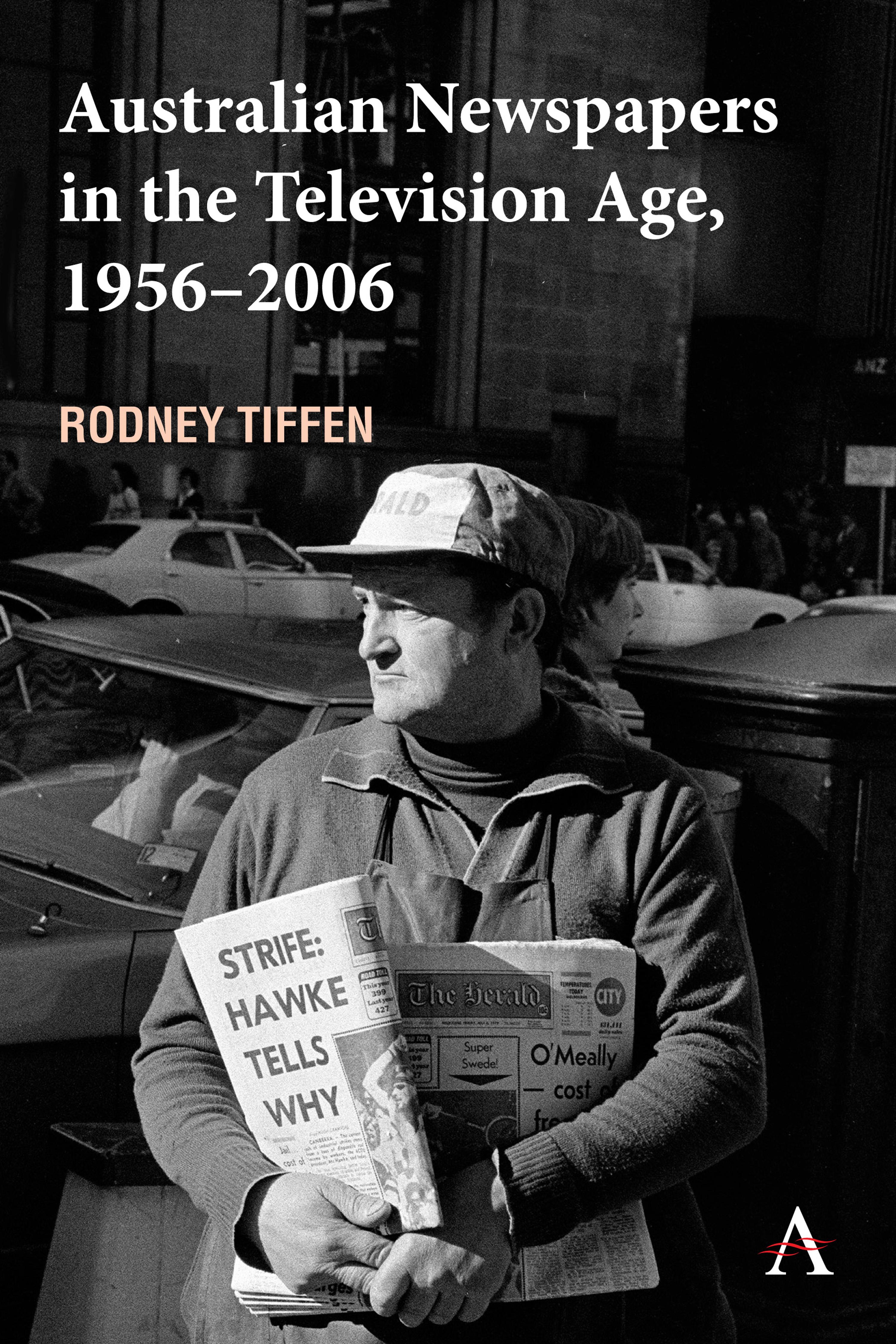
This book looks at Australian newspapers over the half century following the introduction of television in 1956. Through a quantitative study, it illuminates how the nature of news has changed and how central journalistic practices have developed. It examines newspapers’ changing size and structure, their story priorities, their use of visual aids and interpretive frames, their changing range and treatment of sources, and how these changes affected their political and international coverage.
The content analysis shows a dominant theme of growth and improvement. Newspapers offered their readers much more at the end of the half century than at the beginning. The much larger volume of news was presented in more visually attractive and reader-friendly ways than before. News agendas expanded in response both to changing reader interests and a changing political environment. Newspapers had a more active orientation towards using a wider range of sources. All papers shared in the major trends but to varying degrees so that by the end of the period there were sharper differences between the papers than at the beginning.
Mapping the multi-dimensional nature of change in this pivotal period lays a groundwork for analysing the changing nature of journalism during the existential crisis that news organisations are now facing during the digital age.
Paga facilmente con carta, Klarna, Apple Pay o Google Pay. Non sei soddisfatto? Hai sempre 14 giorni per il rimborso. Leggi di più nei nostri termini. Per qualsiasi domanda, scrivici a hello@memmo.org.
Memmo rende lo studio più facile, ovunque tu sia nel mondo. Qui trovi i tuoi libri di testo e strumenti di studio intelligenti, tutto in un unico posto: riassunti, quiz, podcast e flashcard. E poi c'è Ted, il tuo compagno di studio che risponde a ogni tua domanda. Oltre 50.000 studenti studiano già qui: è stato creato per aiutarti a imparare più velocemente e a stressarti meno.