
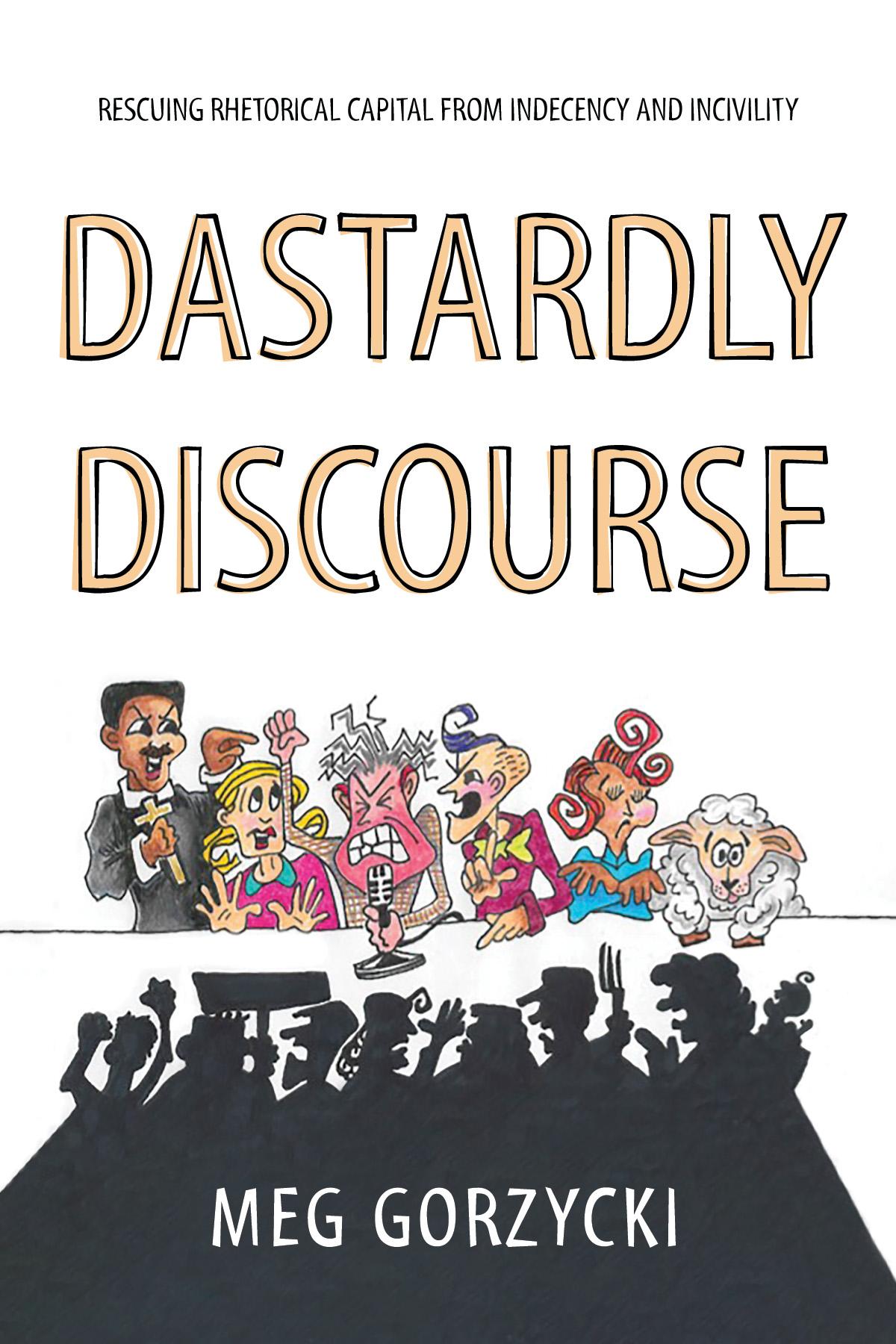
Screaming at the television, compulsively firing off tart little tweets, and blogging until we are blue; these signal that we are feeling the effects of dastardly discourse. We live in a world where people feel entitled to use words to hurt, exploit, and publicly degrade humanity. We daily consume rhetoric that makes a mockery of decency and civility. Leaders of key social institutions, including government, news media, and religious organizations, who are supposed to be role models of reasoned and compassionate communication are often the ones with the loudest lies and the hardest hate.
We can change the channel. We can unplug. We can even encourage others to do the same. We may not do so, however, until we grasp what is fundamentally at risk in our current norms of communication. Nasty words are just the tip of the dastardly discourse iceberg. What lies beneath is a steady flow of propaganda that aims to control our personal narratives. This book is about that propaganda, the importance of owning our own narratives, and improving our own rhetorical capital--the ability to analyze and evaluate information--for the sake of sustaining human dignity, decency, and civility.
Paga facilmente con carta, Klarna, Apple Pay o Google Pay. Non sei soddisfatto? Hai sempre 14 giorni per il rimborso. Leggi di più nei nostri termini. Per qualsiasi domanda, scrivici a hello@memmo.org.
Memmo rende lo studio più facile, ovunque tu sia nel mondo. Qui trovi i tuoi libri di testo e strumenti di studio intelligenti, tutto in un unico posto: riassunti, quiz, podcast e flashcard. E poi c'è Ted, il tuo compagno di studio che risponde a ogni tua domanda. Oltre 50.000 studenti studiano già qui: è stato creato per aiutarti a imparare più velocemente e a stressarti meno.
Potrebbe interessarti anche
Acquista il libro0