
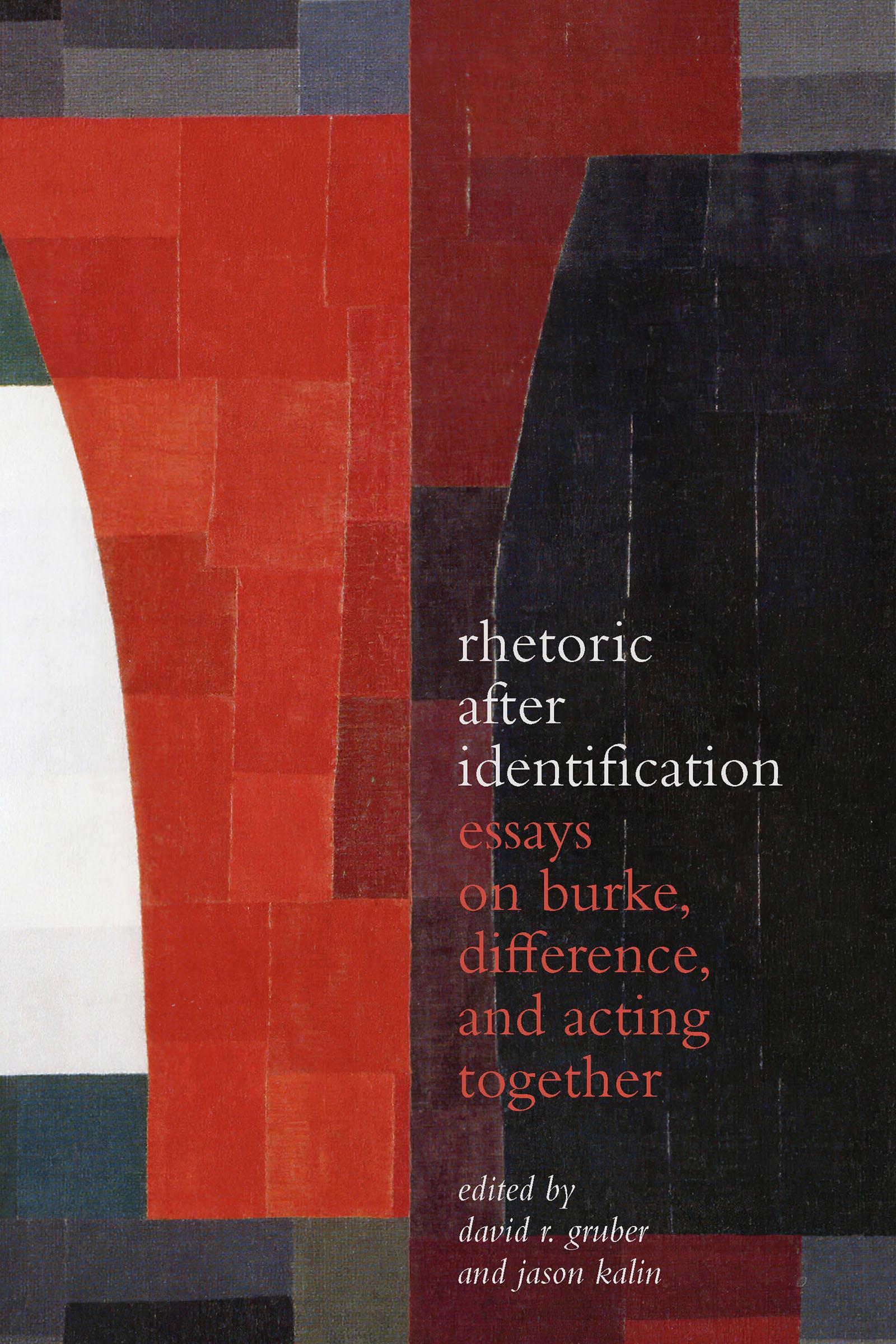
How can we act together when identification may no longer bridge the divide?
Since the publication of Kenneth Burke's A Rhetoric of Motives (1950), identification has been the central concept of rhetorical theory. Rhetoric After Identification offers new theoretical frameworks for engaging with and letting go of identification—to see difference as dignity and consider how we are never fully understandable to one another yet can work toward making worlds in common. The volume confronts the primacy of identification through a variety of interdisciplinary lenses, drawing on affect and body studies, new materialisms, and decolonial philosophies. Challenging the assumption that identifying with one another is necessary to cooperation, contributors interrogate how the pursuit of "sameness" can perpetuate inequalities. In doing so, they do not abandon the potential for affective and symbolic identification; instead, they multiply the generative force of difference.
Contributors: Matthew Brigham, Catherine Chaput, Donovan Conley, Diane Davis, Matthew Halm, Chris Ingraham, J. G. Izaguirre III, Chris Mays, Kaden Milliren, Megan Poole, Krista Ratcliffe
Paga facilmente con carta, Klarna, Apple Pay o Google Pay. Non sei soddisfatto? Hai sempre 14 giorni per il rimborso. Leggi di più nei nostri termini. Per qualsiasi domanda, scrivici a hello@memmo.org.
Memmo rende lo studio più facile, ovunque tu sia nel mondo. Qui trovi i tuoi libri di testo e strumenti di studio intelligenti, tutto in un unico posto: riassunti, quiz, podcast e flashcard. E poi c'è Ted, il tuo compagno di studio che risponde a ogni tua domanda. Oltre 50.000 studenti studiano già qui: è stato creato per aiutarti a imparare più velocemente e a stressarti meno.