
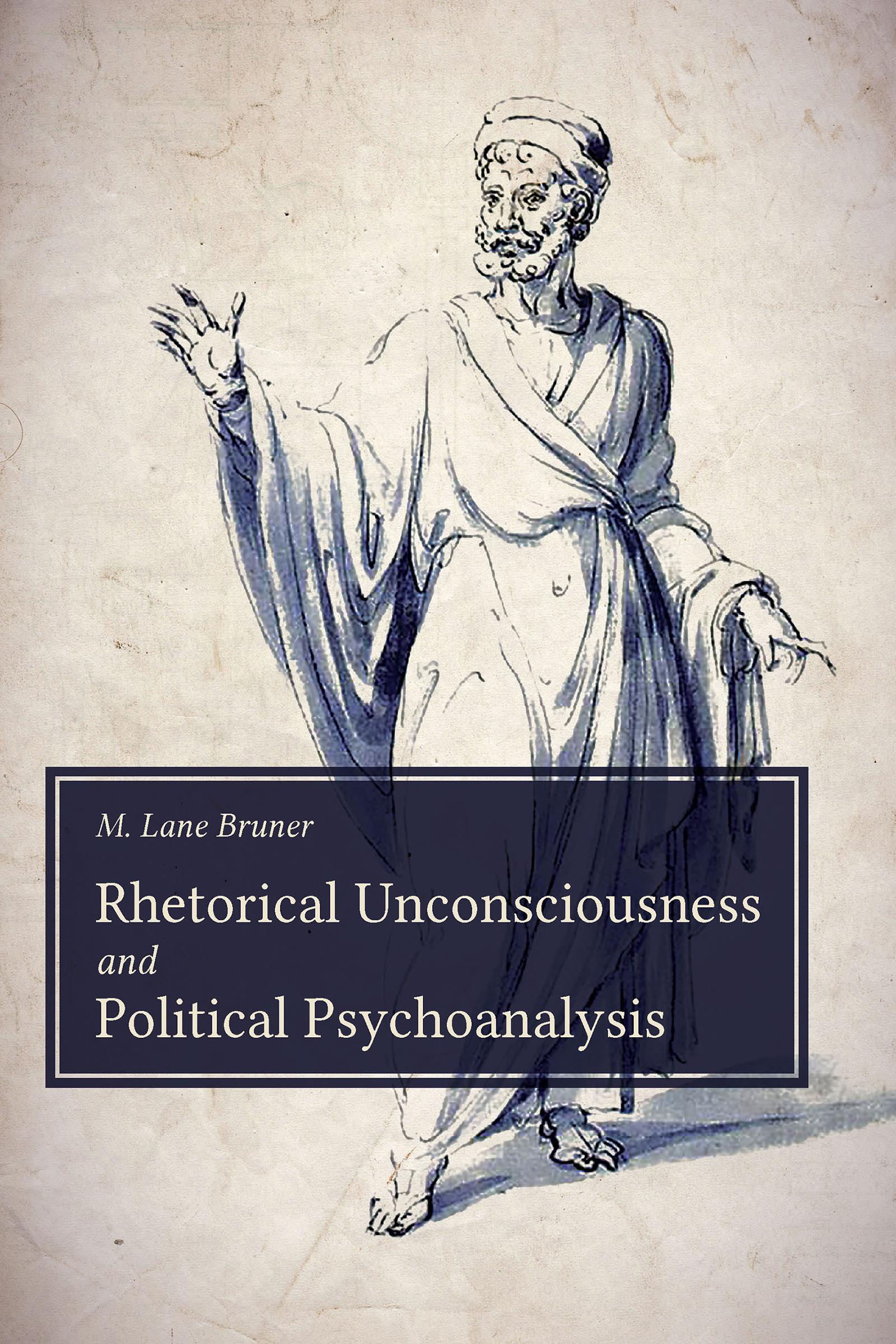
Case studies exploring the roots of persuasion and rhetorical unconsciousness
Rhetorical Unconsciousness and Political Psychoanalysis investigates unintentional forms of persuasion, their political consequences, and our ethical relation to the same. M. Lane Bruner argues that the unintentional ways we are persuaded are far more important than intentional persuasion; in fact all intentional persuasion is built on the foundations of rhetorical unconsciousness, whether we are persuaded through ignorance (the unsayable), unconscious symbolic processes (the unspoken), or productive repression (the unspeakable).
Bruner brings together a wide range of theoretical approaches to unintentional persuasion, establishing the locations of such persuasion and providing examples taken from the Western European transition from feudalism to capitalism. To be more specific, phenomena related to artificial personhood and the commodity self have led to transformations in material culture from architecture to theater, showing how rhetorical unconsciousness works to create symptoms. Bruner then examines ethical considerations, the relationships among language in use, unconsciousness, and the seemingly irrational aspects of cultural and political history.
Paga facilmente con carta, Klarna, Apple Pay o Google Pay. Non sei soddisfatto? Hai sempre 14 giorni per il rimborso. Leggi di più nei nostri termini. Per qualsiasi domanda, scrivici a hello@memmo.org.
Memmo rende lo studio più facile, ovunque tu sia nel mondo. Qui trovi i tuoi libri di testo e strumenti di studio intelligenti, tutto in un unico posto: riassunti, quiz, podcast e flashcard. E poi c'è Ted, il tuo compagno di studio che risponde a ogni tua domanda. Oltre 50.000 studenti studiano già qui: è stato creato per aiutarti a imparare più velocemente e a stressarti meno.