
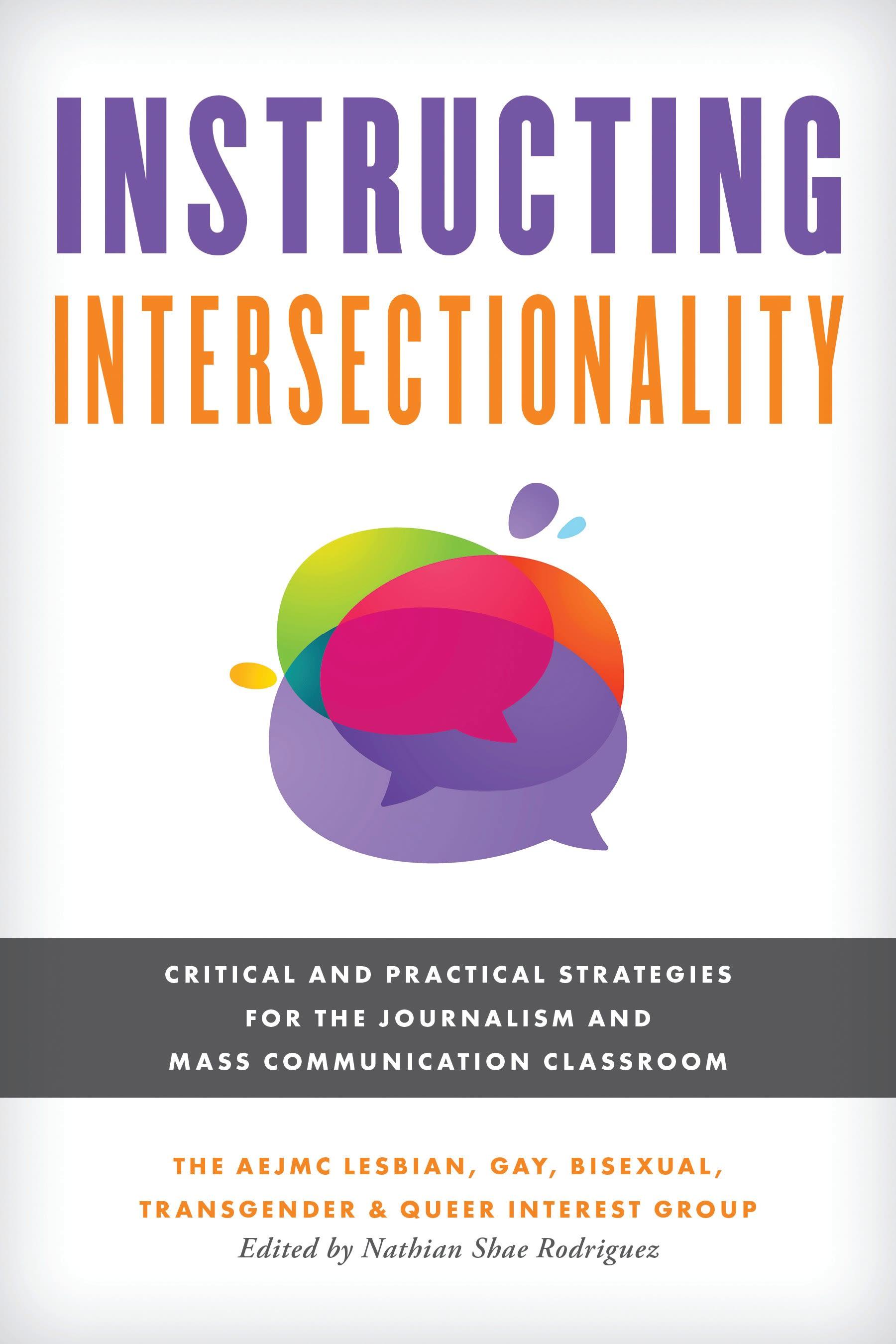
Intersectionality makes visible and relevant marginalized identities and engages students in critical strategies for social justice against oppression, power, and hegemony inside and outside the classroom. As a framework for teaching and learning across journalism, media, and mass communication studies, intersectionality allows instructors to build more inclusive, critical, and reflective educational spaces.
In this book, experienced and award-winning professors explore practical teaching strategies and innovative pedagogy to guide other instructors through the practice of integrating intersectionality into courses and curriculum. Chapters offer strategies, case studies, and activities for classroom implementation, as well as providing invaluable practicality from the lived experiences of the authors, most of whom are from intersectionally diverse backgrounds.
As an inspiring and immediately applicable guidebook, Instructing Intersectionality is an essential read for course developers, administrators, and instructors in all undergrad and graduate programs.
Contributors:María DeMoya (she/her/ella), Celeste González de Bustamante (she/hers/ella), Leandra Hernández (she/her/ella), Patrick R. Johnson (he/him/his), Tammy Rae Matthews (she/her/hers), Rafael Matos (he/him/his), Kathleen McElroy (she/her/hers), Stevie M. Munz (she/her/hers), Arionne Nettles (she/her/hers), Kix Patterson (he/him/his), Gheni Platenburg (she/her/hers), Arleen Jia Rasing (she/her/hers), Leilane Menezes Rodrigues (she/her/hers), Nathian Shae Rodriguez (he/him/él), Alexis Romero Walker (they/them), Yidong Wang (he/him/his), and Sherry Yu (she/her/hers).
In this book, experienced and award-winning professors explore practical teaching strategies and innovative pedagogy to guide other instructors through the practice of integrating intersectionality into courses and curriculum. Chapters offer strategies, case studies, and activities for classroom implementation, as well as providing invaluable practicality from the lived experiences of the authors, most of whom are from intersectionally diverse backgrounds.
As an inspiring and immediately applicable guidebook, Instructing Intersectionality is an essential read for course developers, administrators, and instructors in all undergrad and graduate programs.
Contributors:María DeMoya (she/her/ella), Celeste González de Bustamante (she/hers/ella), Leandra Hernández (she/her/ella), Patrick R. Johnson (he/him/his), Tammy Rae Matthews (she/her/hers), Rafael Matos (he/him/his), Kathleen McElroy (she/her/hers), Stevie M. Munz (she/her/hers), Arionne Nettles (she/her/hers), Kix Patterson (he/him/his), Gheni Platenburg (she/her/hers), Arleen Jia Rasing (she/her/hers), Leilane Menezes Rodrigues (she/her/hers), Nathian Shae Rodriguez (he/him/él), Alexis Romero Walker (they/them), Yidong Wang (he/him/his), and Sherry Yu (she/her/hers).
Paga facilmente con carta, Klarna, Apple Pay o Google Pay. Non sei soddisfatto? Hai sempre 14 giorni per il rimborso. Leggi di più nei nostri termini. Per qualsiasi domanda, scrivici a hello@memmo.org.
Memmo rende lo studio più facile, ovunque tu sia nel mondo. Qui trovi i tuoi libri di testo e strumenti di studio intelligenti, tutto in un unico posto: riassunti, quiz, podcast e flashcard. E poi c'è Ted, il tuo compagno di studio che risponde a ogni tua domanda. Oltre 50.000 studenti studiano già qui: è stato creato per aiutarti a imparare più velocemente e a stressarti meno.