
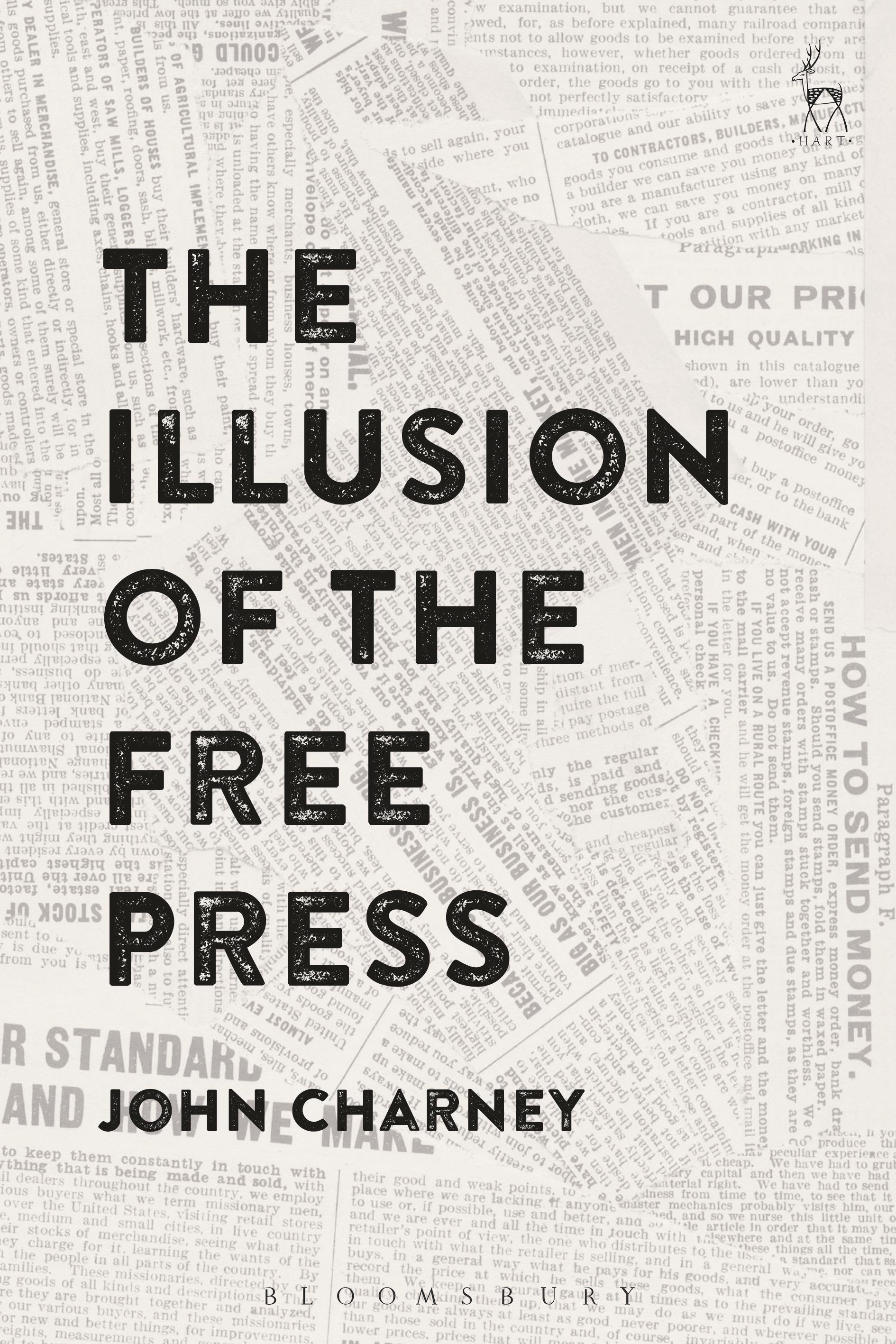
This book explores the relationship between truth and freedom in the free press. It argues that the relationship is problematic because the free press implies a competition between plural ideas, whereas truth is univocal. Based on this tension the book claims that the idea of a free press is premised on an epistemological illusion. This illusion enables society to maintain that the world it perceives through the press corresponds to the world as it actually exists, explaining why defenders of the free press continue to rely on its capacity to discover the truth, despite economic conditions and technological innovations undermining much of its independence. The book invites the reader to reconsider the philosophical foundations, constitutional justifications, and structure and functions of the free press, and whether the institution can, in fact, realise both freedom and truth. It will be of great interest to anyone concerned in the role and value of the free press in the modern world.
Paga facilmente con carta, Klarna, Apple Pay o Google Pay. Non sei soddisfatto? Hai sempre 14 giorni per il rimborso. Leggi di più nei nostri termini. Per qualsiasi domanda, scrivici a hello@memmo.org.
Memmo rende lo studio più facile, ovunque tu sia nel mondo. Qui trovi i tuoi libri di testo e strumenti di studio intelligenti, tutto in un unico posto: riassunti, quiz, podcast e flashcard. E poi c'è Ted, il tuo compagno di studio che risponde a ogni tua domanda. Oltre 50.000 studenti studiano già qui: è stato creato per aiutarti a imparare più velocemente e a stressarti meno.