
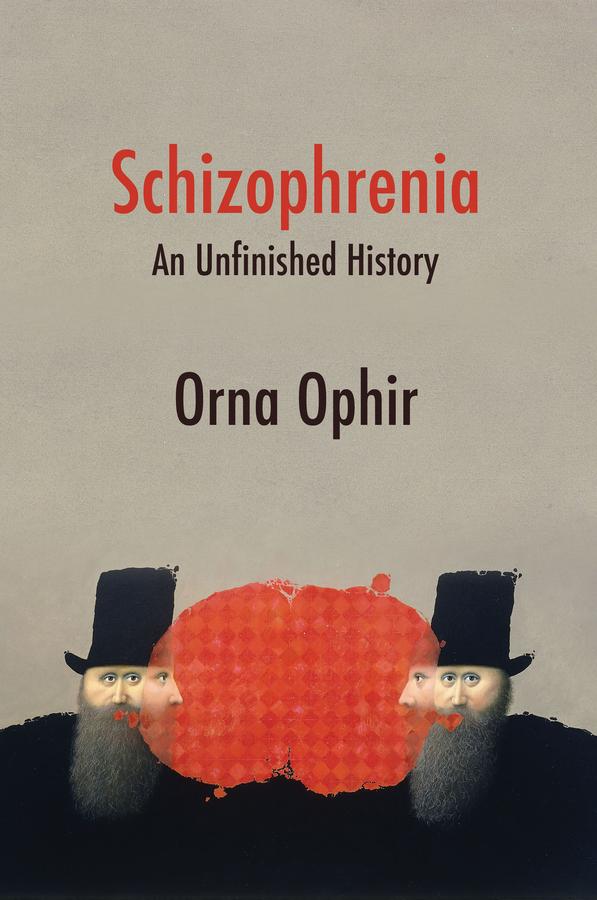
Throughout the world, schizophrenia is a diagnosis now in decline, representing a radical shift in our historical and medical understanding of madness and mental distress. But what does this medical term, first coined by a Swiss psychiatrist in 1908, mean? And why is it increasingly unpopular among patients and the medical establishment?
Historian and clinician Orna Ophir unearths the stories of patients and doctors as they struggle to make sense of this debilitating condition. At different times, patients have been depicted as possessed by demons, or simply “inspired,” as hearing voices, suffering from a “split-mind,” or merely having difficulty in “integrating” experiences. Now, a century after its birth, schizophrenia is increasingly viewed not as a radical, abnormal disease defined by an ever-changing cluster of symptoms, but the extreme end of a spectrum on which we are all located.
The story Ophir tells is a hopeful one: As patients and doctors sought to overcome stigma and improve therapeutic outcomes, they have shown ever-greater sensitivity to diversity and difference. Schizophrenia: An Unfinished History gestures toward a future in which clinicians and patients will collaborate in the search for better outcomes.
Paga facilmente con carta, Klarna, Apple Pay o Google Pay. Non sei soddisfatto? Hai sempre 14 giorni per il rimborso. Leggi di più nei nostri termini. Per qualsiasi domanda, scrivici a hello@memmo.org.
Memmo rende lo studio più facile, ovunque tu sia nel mondo. Qui trovi i tuoi libri di testo e strumenti di studio intelligenti, tutto in un unico posto: riassunti, quiz, podcast e flashcard. E poi c'è Ted, il tuo compagno di studio che risponde a ogni tua domanda. Oltre 50.000 studenti studiano già qui: è stato creato per aiutarti a imparare più velocemente e a stressarti meno.