
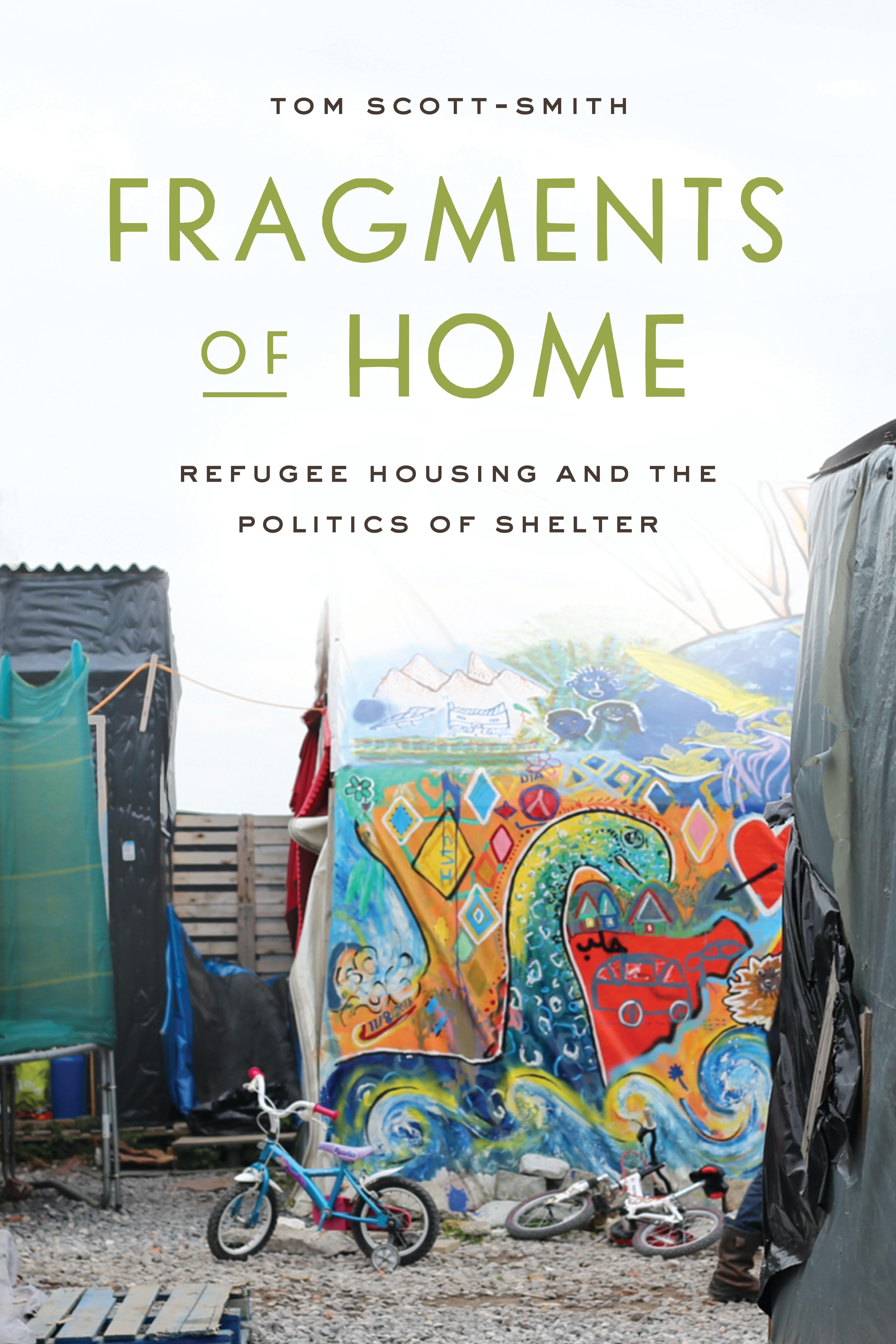
Abandoned airports. Shipping containers. Squatted hotels. These are just three of the many unusual places that have housed refugees in the past decade. The story of international migration is often told through personal odysseys and dangerous journeys, but when people arrive at their destinations a more mundane task begins: refugees need a place to stay. Governments and charities have adopted a range of strategies in response to this need. Some have sequestered refugees in massive camps of glinting metal. Others have hosted them in renovated office blocks and disused warehouses. They often end up in prefabricated shelters flown in from abroad.
This book focuses on seven examples of emergency shelter, from Germany to Jordan, which emerged after the great "summer of migration" in 2015. Drawing on detailed ethnographic research into these shelters, the book reflects on their political implications and opens up much bigger questions about humanitarian action. By exploring how aid agencies and architects approached this basic human need, Tom Scott-Smith demonstrates how shelter has many elements that are hard to reconcile or combine; shelter is always partial and incomplete, producing mere fragments of home. Ultimately, he argues that current approaches to emergency shelter have led to destructive forms of paternalism and concludes that the principle of autonomy can offer a more fruitful approach to sensitive and inclusive housing.
Paga facilmente con carta, Klarna, Apple Pay o Google Pay. Non sei soddisfatto? Hai sempre 14 giorni per il rimborso. Leggi di più nei nostri termini. Per qualsiasi domanda, scrivici a hello@memmo.org.
Memmo rende lo studio più facile, ovunque tu sia nel mondo. Qui trovi i tuoi libri di testo e strumenti di studio intelligenti, tutto in un unico posto: riassunti, quiz, podcast e flashcard. E poi c'è Ted, il tuo compagno di studio che risponde a ogni tua domanda. Oltre 50.000 studenti studiano già qui: è stato creato per aiutarti a imparare più velocemente e a stressarti meno.