
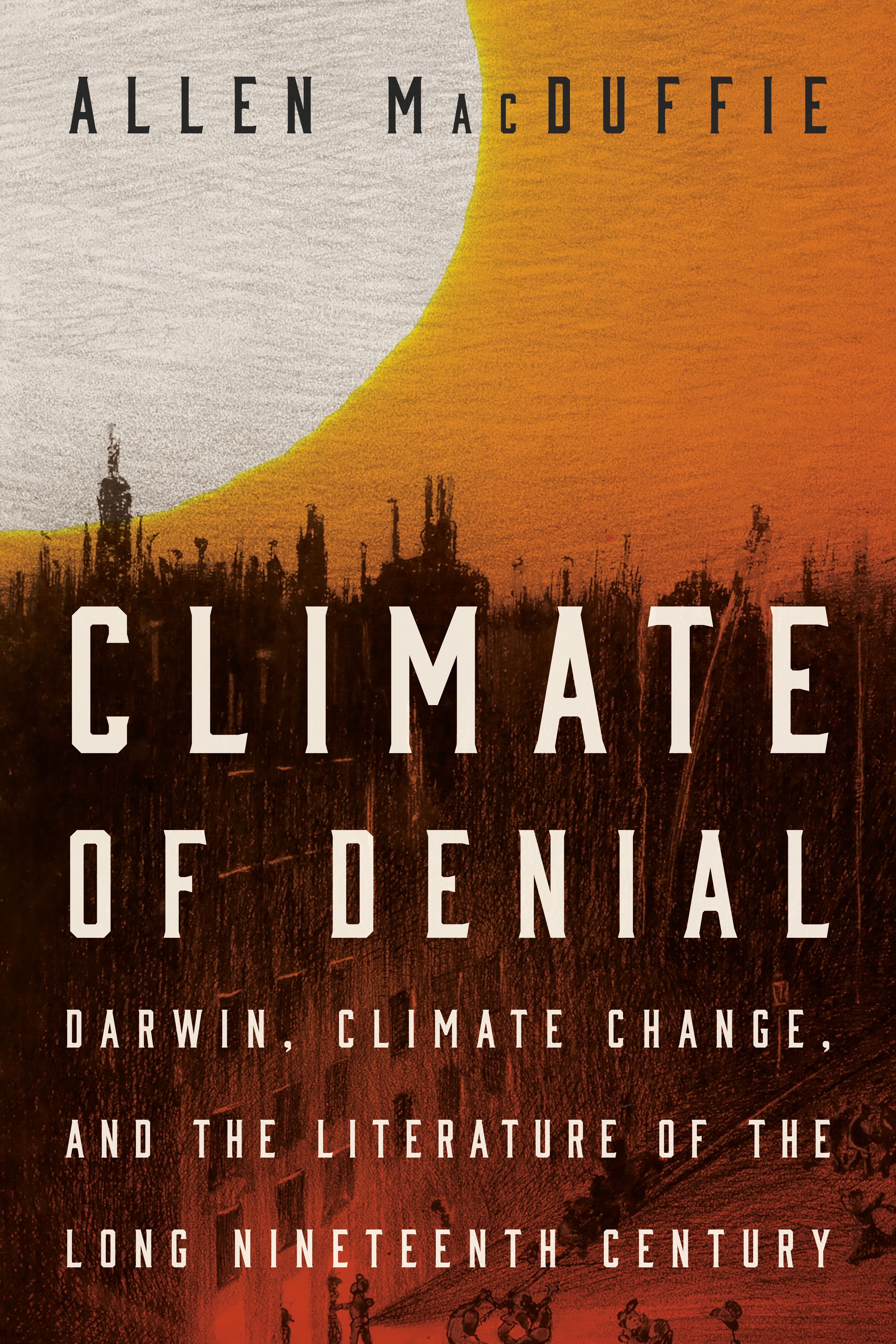
Many people today experience the climate crisis with a divided state of mind: aware of the extreme effects, but living everyday life as if the crisis is not actually happening. This book argues that this structure of feeling has roots that can be traced back to the nineteenth century, when Western culture encountered the profound shock of Charles Darwin's theory of evolution.
Darwin's theory made it increasingly difficult for secular humanists to flatly deny that humans are animals, fully enmeshed in natural systems and processes. But like those of us confronting climate change today, many writers and scientists struggled to integrate its depersonalizing vision into their understanding of the place of humans in the natural order. The result was that the radical environmental implications of The Origin of Species were evaded as soon as they were articulated, abetted by a culture of denial structured by the illusions of capital and empire.
In light of the climate emergency, Climate of Denial recontextualizes nineteenth-century texts to offer rich insight into the defensive strategies used—then and now—to avoid confronting the unsettling realities of our situation on this planet.
Paga facilmente con carta, Klarna, Apple Pay o Google Pay. Non sei soddisfatto? Hai sempre 14 giorni per il rimborso. Leggi di più nei nostri termini. Per qualsiasi domanda, scrivici a hello@memmo.org.
Memmo rende lo studio più facile, ovunque tu sia nel mondo. Qui trovi i tuoi libri di testo e strumenti di studio intelligenti, tutto in un unico posto: riassunti, quiz, podcast e flashcard. E poi c'è Ted, il tuo compagno di studio che risponde a ogni tua domanda. Oltre 50.000 studenti studiano già qui: è stato creato per aiutarti a imparare più velocemente e a stressarti meno.