
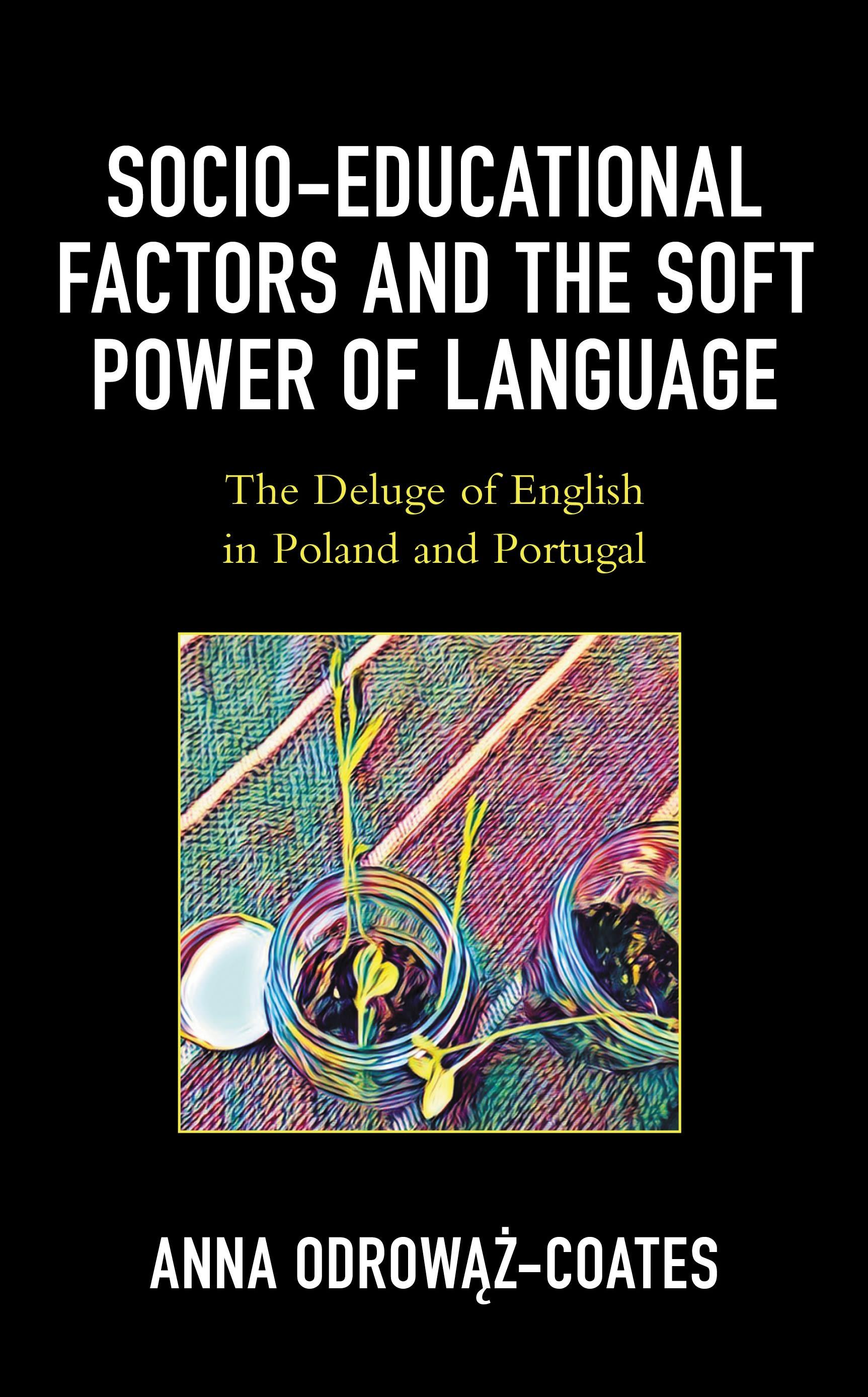
Anna Odrowaz-Coates shows that English, as a language of European integration and communication, has become an element of social status. In privileged social groups, its position has changed from a foreign language to a second language, which demonstrates a linguistic shift with long-term consequences. Socio-educational Factors and Soft Power of Language critically examines the cultural and individual implications of this phenomenon in the context of field study in Poland and Portugal. Odrowaz-Coates uses institutional ethnography with a combination of theoretical constructs, including “soft power” and “positioning theory,” to examine evidence of English as a new tool for social stratification and its effect on language policies as well as the ways in which it impacts people's lives and their opportunities. Whilst critical of the neoliberal, neo-colonial, and imperialistic dimensions of English language hegemony, Odrowaz-Coates argues for a gendered perspective of English as a language of opportunity, inclusion, and empowerment. She focuses on discourses that are shown to be products of and the makers of the material aspects of language. Using an ethical imperative not only to question, but also to participate in the existing power structures in order to change the power dynamic, Odrowaz-Coates argues that language choices are not necessarily individually driven but are instead institutionally driven.
Paga facilmente con carta, Klarna, Apple Pay o Google Pay. Non sei soddisfatto? Hai sempre 14 giorni per il rimborso. Leggi di più nei nostri termini. Per qualsiasi domanda, scrivici a hello@memmo.org.
Memmo rende lo studio più facile, ovunque tu sia nel mondo. Qui trovi i tuoi libri di testo e strumenti di studio intelligenti, tutto in un unico posto: riassunti, quiz, podcast e flashcard. E poi c'è Ted, il tuo compagno di studio che risponde a ogni tua domanda. Oltre 50.000 studenti studiano già qui: è stato creato per aiutarti a imparare più velocemente e a stressarti meno.