
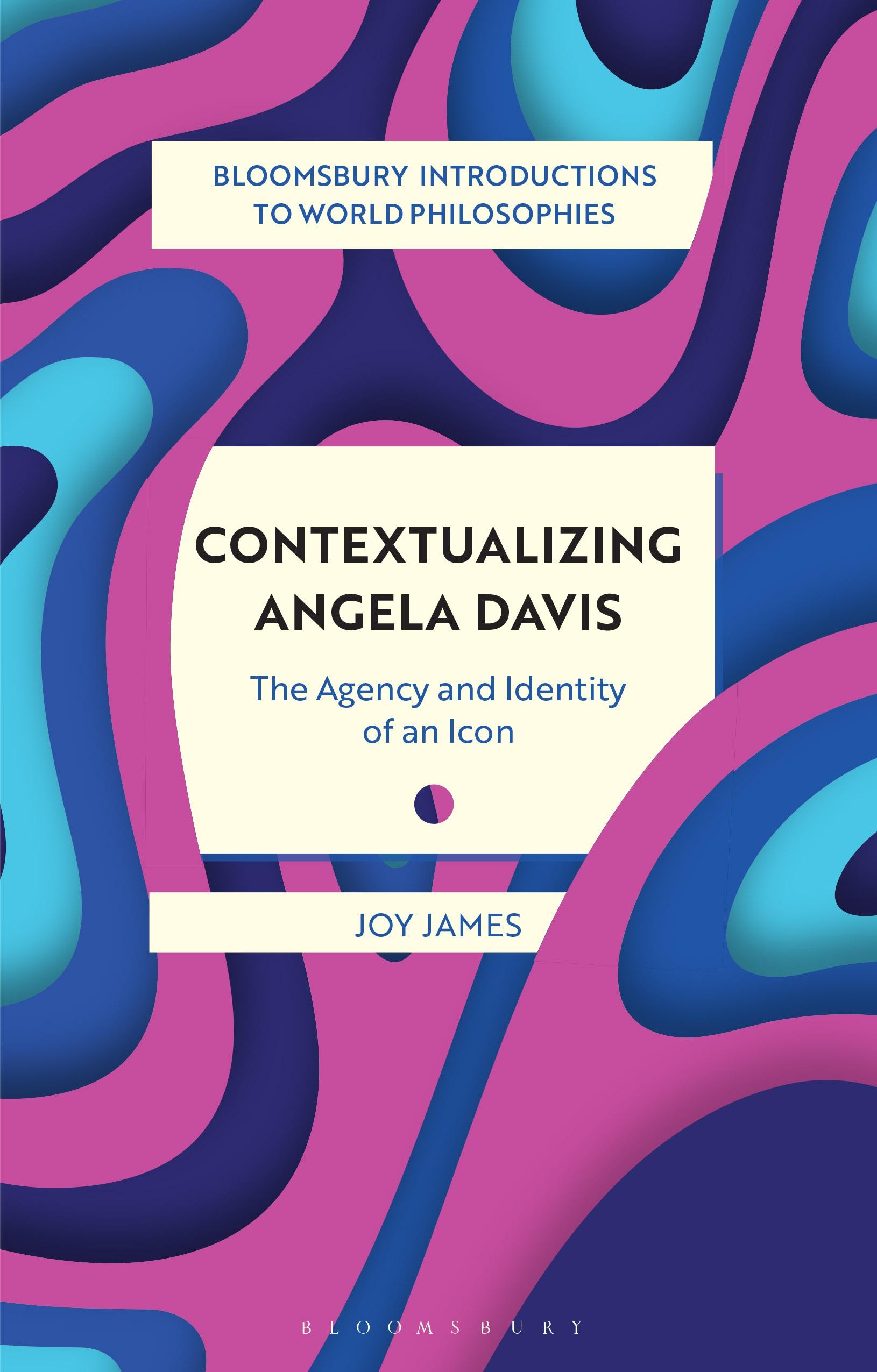
Angela Davis is iconic as an international figure but few recognize the educational, political and ideological contexts that formed the public persona. Excavating layers of networks, activists, academics, polemicists, and funders across the ideological spectrum, Joy James studies the paradigms and platforms that leveraged Angela Davis into recognition as an activist and radical intellectual.
Beginning in Alabama in 1944 with Davis's birthplace and ending in California in 1970 with a surrogate political family, James investigates context in order to better understand the agency and identity of Davis. Her chronology marks key events relevant to Davis, Black communities, and the US: AntiBlack repression under Jim Crow, Black bourgeois southern families, revolutionaries, elite education, communist parties, international travels, undergrad and graduate schooling-all interconnect and play a part in Davis's rise in stature from persecution as a UC graduate student to the UC Presidential chair some three decades later.
Set against the backdrop of 21st-century US democracy and the rise of neofascists, James highlights of the centrality of those considered ancillary to US liberation movements. She unpacks the contradictions of iconography and revolutionary agency and shows how a triumphal figure from a symbolic era of struggle became the icon of the rare peoples' victory.
Beginning in Alabama in 1944 with Davis's birthplace and ending in California in 1970 with a surrogate political family, James investigates context in order to better understand the agency and identity of Davis. Her chronology marks key events relevant to Davis, Black communities, and the US: AntiBlack repression under Jim Crow, Black bourgeois southern families, revolutionaries, elite education, communist parties, international travels, undergrad and graduate schooling-all interconnect and play a part in Davis's rise in stature from persecution as a UC graduate student to the UC Presidential chair some three decades later.
Set against the backdrop of 21st-century US democracy and the rise of neofascists, James highlights of the centrality of those considered ancillary to US liberation movements. She unpacks the contradictions of iconography and revolutionary agency and shows how a triumphal figure from a symbolic era of struggle became the icon of the rare peoples' victory.
Paga facilmente con carta, Klarna, Apple Pay o Google Pay. Non sei soddisfatto? Hai sempre 14 giorni per il rimborso. Leggi di più nei nostri termini. Per qualsiasi domanda, scrivici a hello@memmo.org.
Memmo rende lo studio più facile, ovunque tu sia nel mondo. Qui trovi i tuoi libri di testo e strumenti di studio intelligenti, tutto in un unico posto: riassunti, quiz, podcast e flashcard. E poi c'è Ted, il tuo compagno di studio che risponde a ogni tua domanda. Oltre 50.000 studenti studiano già qui: è stato creato per aiutarti a imparare più velocemente e a stressarti meno.