
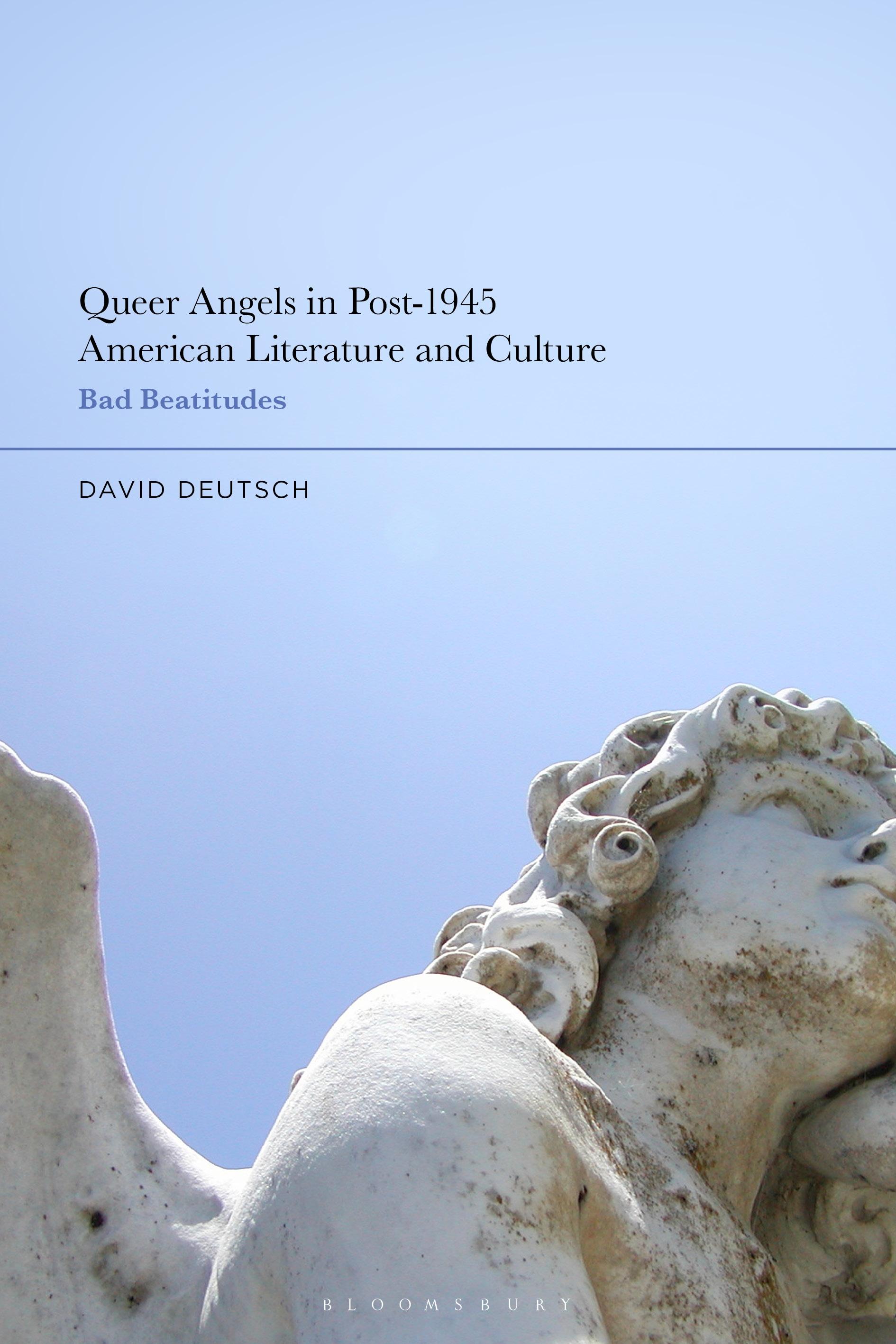
From Allen Ginsberg's 'angel-headed hipsters' to angelic outlaws in Essex Hemphill's Conditions, angelic imagery is pervasive in queer American art and culture. This book examines how the period after 1945 expanded a unique mixture of sacred and profane angelic imagery in American literature and culture to fashion queer characters, primarily gay men, as embodiments of 'bad beatitudes'.
Deutsch explores how authors across diverse ethnic and religious backgrounds, including John Rechy, Richard Bruce Nugent, Allen Ginsberg, and Rabih Alameddine, sought to find the sacred in the profane and the profane in the sacred. Exploring how these writers used the trope of angelic outlaws to celebrate men who rebelled wilfully and nobly against religious, medical, legal and social repression in American society, this book sheds new light on dissent and queer identities in postmodern American literature.
Deutsch explores how authors across diverse ethnic and religious backgrounds, including John Rechy, Richard Bruce Nugent, Allen Ginsberg, and Rabih Alameddine, sought to find the sacred in the profane and the profane in the sacred. Exploring how these writers used the trope of angelic outlaws to celebrate men who rebelled wilfully and nobly against religious, medical, legal and social repression in American society, this book sheds new light on dissent and queer identities in postmodern American literature.
Paga facilmente con carta, Klarna, Apple Pay o Google Pay. Non sei soddisfatto? Hai sempre 14 giorni per il rimborso. Leggi di più nei nostri termini. Per qualsiasi domanda, scrivici a hello@memmo.org.
Memmo rende lo studio più facile, ovunque tu sia nel mondo. Qui trovi i tuoi libri di testo e strumenti di studio intelligenti, tutto in un unico posto: riassunti, quiz, podcast e flashcard. E poi c'è Ted, il tuo compagno di studio che risponde a ogni tua domanda. Oltre 50.000 studenti studiano già qui: è stato creato per aiutarti a imparare più velocemente e a stressarti meno.