
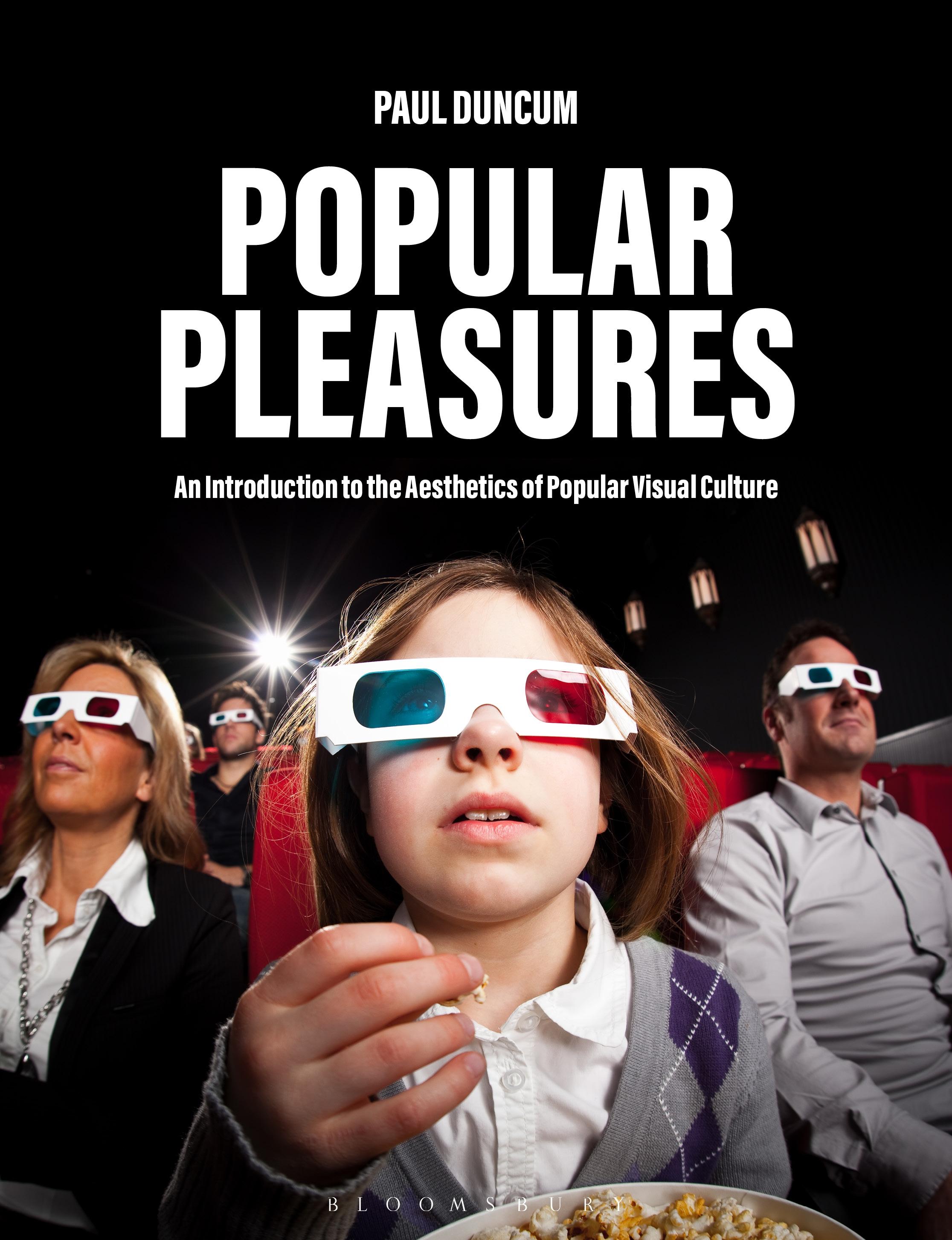
Today's many popular aesthetic pleasures have a very long history. Paul Duncum considers the historical critical discourses, and socio-political issues raised by aesthetic pleasures in fifteen thematic chapters. Using illustrative examples from the past, present, and across cultures, he challenges the idea of any decline of cultural standards and argues that no grounds exist for cultural pessimism. Refusing to condemn popular culture on the basis of taste, he reserves critique for the socio-political ideologies aesthetics invariably serve.
Art history, film, cultural studies, and philosophical aesthetics are each employed to show that the sensory/emotional lures of today's popular culture are mostly identical to those of premodern fine art. They include the violent, the horrific, the sentimental, the exotic, the erotic, and the humorous. Some of these pleasures derive from our evolutionary biology; they are all an important part of what it means to be human, and central to understanding contemporary society. Examples are wide-ranging, including British seaside postcards, Disney films, Nazi propaganda, burlesque, modern advertising, as well as many exemplars of fine art.
The book reveals fresh insights for all those studying visual culture, art history, aesthetics, media studies, and media and art education.
Art history, film, cultural studies, and philosophical aesthetics are each employed to show that the sensory/emotional lures of today's popular culture are mostly identical to those of premodern fine art. They include the violent, the horrific, the sentimental, the exotic, the erotic, and the humorous. Some of these pleasures derive from our evolutionary biology; they are all an important part of what it means to be human, and central to understanding contemporary society. Examples are wide-ranging, including British seaside postcards, Disney films, Nazi propaganda, burlesque, modern advertising, as well as many exemplars of fine art.
The book reveals fresh insights for all those studying visual culture, art history, aesthetics, media studies, and media and art education.
Paga facilmente con carta, Klarna, Apple Pay o Google Pay. Non sei soddisfatto? Hai sempre 14 giorni per il rimborso. Leggi di più nei nostri termini. Per qualsiasi domanda, scrivici a hello@memmo.org.
Memmo rende lo studio più facile, ovunque tu sia nel mondo. Qui trovi i tuoi libri di testo e strumenti di studio intelligenti, tutto in un unico posto: riassunti, quiz, podcast e flashcard. E poi c'è Ted, il tuo compagno di studio che risponde a ogni tua domanda. Oltre 50.000 studenti studiano già qui: è stato creato per aiutarti a imparare più velocemente e a stressarti meno.