
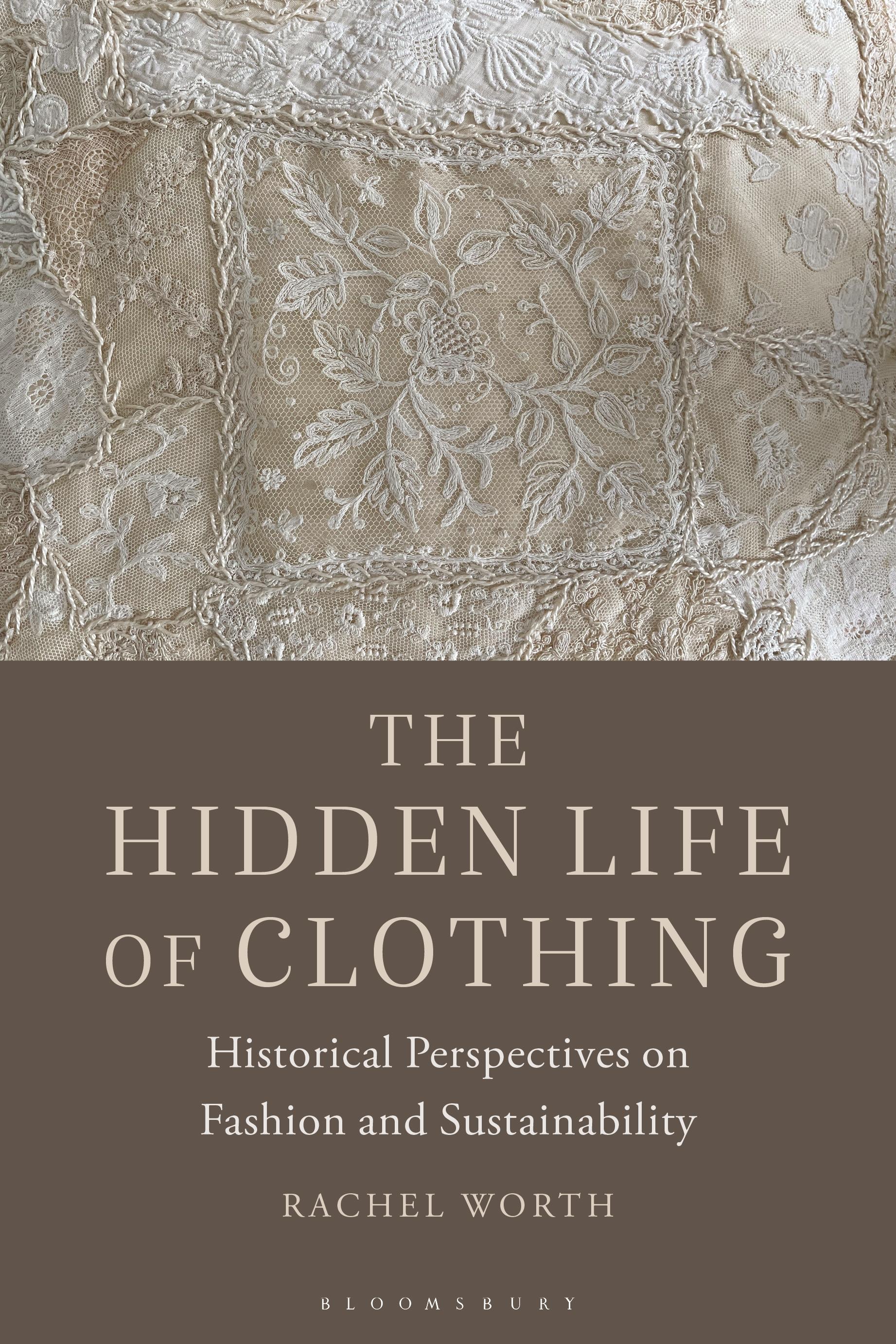
Since the democratisation of the clothing industry in the early 19th century, buyers have become increasingly disconnected from the creative and human aspects of the production of clothing. Arguably clothing is now valued less for its aesthetic qualities or because of the hours spent in its making, but more for the extent to which it serves current 'fashion'.
In a climate of increasing anxiety about the environmental and social impact of the contemporary global fashion industry, Rachel Worth suggests that, rather than seeking solutions only in the present, looking to history can assist in understanding better the challenges consumers face today in making decisions about the contents of their wardrobes, which, in turn, will impact on the nature of the future global fashion industry. She does not seek to offer simplistic historical solutions to contemporary problems, but explores ways in which it might be possible to bridge divides between knowledge of the past, current individual choice, and possible directions for future action.
The more we know about our clothes, the less likely it is that we will wear an item of clothing only a few times before replenishing it with newer purchases that are 'on trend'. By taking ownership of our personal clothing choices rather than feeling pressurised to respond to sophisticated marketing and to 'influencers', this book suggests how we might rethink our wardrobes in philosophical and practical ways in order to create a sense of order and beauty in our lives and to wrest control back from the increasing chaos of seemingly endless choice that perpetuates unsustainable, impersonal and fast fashion.
In a climate of increasing anxiety about the environmental and social impact of the contemporary global fashion industry, Rachel Worth suggests that, rather than seeking solutions only in the present, looking to history can assist in understanding better the challenges consumers face today in making decisions about the contents of their wardrobes, which, in turn, will impact on the nature of the future global fashion industry. She does not seek to offer simplistic historical solutions to contemporary problems, but explores ways in which it might be possible to bridge divides between knowledge of the past, current individual choice, and possible directions for future action.
The more we know about our clothes, the less likely it is that we will wear an item of clothing only a few times before replenishing it with newer purchases that are 'on trend'. By taking ownership of our personal clothing choices rather than feeling pressurised to respond to sophisticated marketing and to 'influencers', this book suggests how we might rethink our wardrobes in philosophical and practical ways in order to create a sense of order and beauty in our lives and to wrest control back from the increasing chaos of seemingly endless choice that perpetuates unsustainable, impersonal and fast fashion.
Paga facilmente con carta, Klarna, Apple Pay o Google Pay. Non sei soddisfatto? Hai sempre 14 giorni per il rimborso. Leggi di più nei nostri termini. Per qualsiasi domanda, scrivici a hello@memmo.org.
Memmo rende lo studio più facile, ovunque tu sia nel mondo. Qui trovi i tuoi libri di testo e strumenti di studio intelligenti, tutto in un unico posto: riassunti, quiz, podcast e flashcard. E poi c'è Ted, il tuo compagno di studio che risponde a ogni tua domanda. Oltre 50.000 studenti studiano già qui: è stato creato per aiutarti a imparare più velocemente e a stressarti meno.