
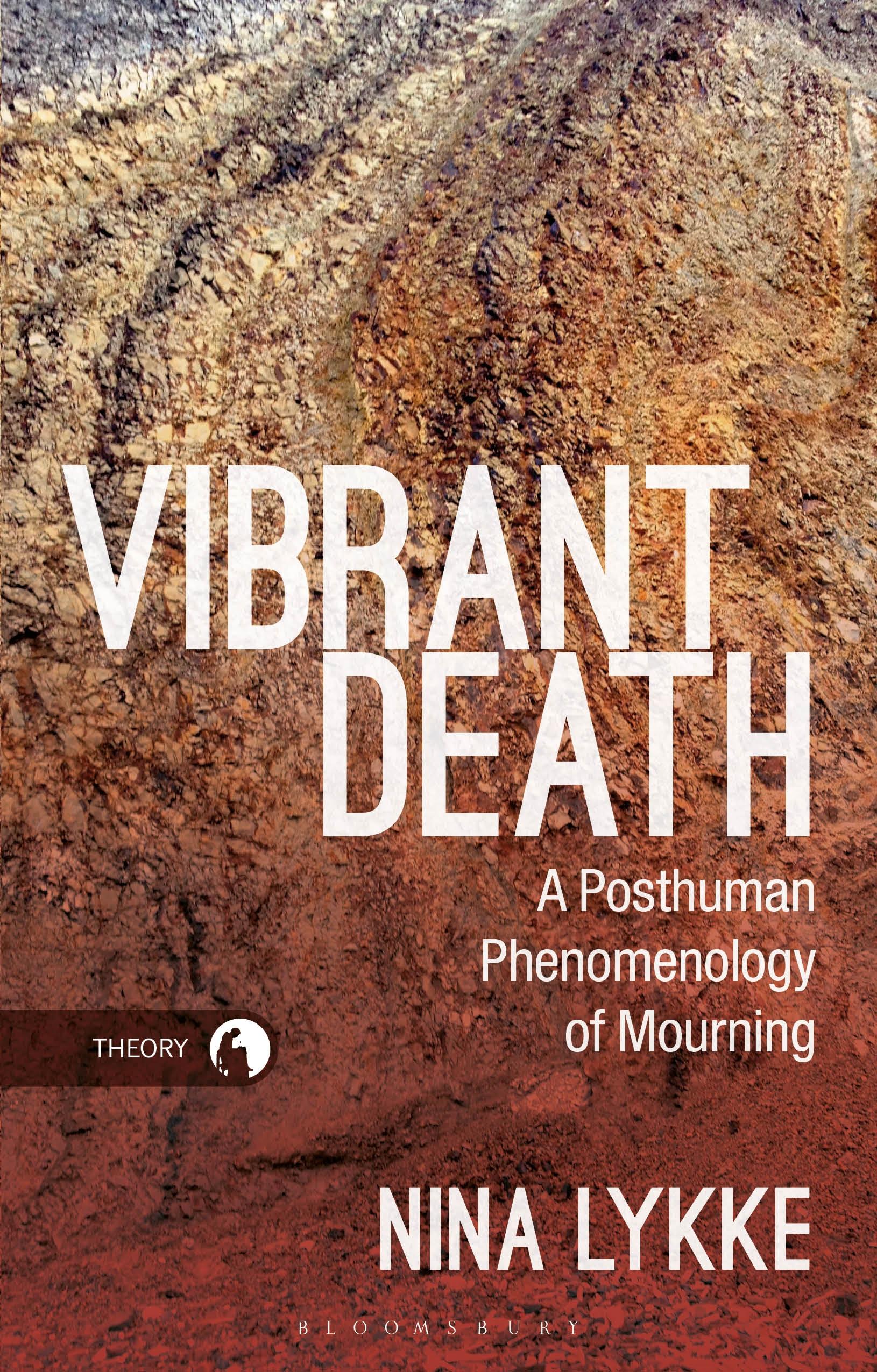
Vibrant Death links philosophy and poetry-based, corpo-affectively grounded knowledge seeking. It offers a radically new materialist theory of death, critically moving the philosophical argument beyond Christian and secular-mechanistic understandings. The book's ethico-political figuration of vibrant death is shaped through a pluriversal conversation between Deleuzean philosophy, neo-vitalist materialism and the spiritual materialism of decolonial, queerfeminist poet and scholar Gloria Anzaldua. The book's posthuman deexceptionalizing of human death unfurls together with a collection of poetry, and autobiographical stories. They are analysed through the lens of a posthuman, queerfeminist revision of the method of autophenomenography (phenomenological analysis of autobiographical material).
Nina Lykke explores the speaking position of a mourning, queerfeminine ”I”, who contemplates the relationship with her dead beloved lesbian life partner. She reflects on her enactment of processes of co-becoming with the phenomenal and material traces of the deceased body, and the new assemblages with which it has merged through death's material metamorphoses: becoming-ashes through cremation, and becoming-mixed-with-algae-sand when the ashes were scattered across a seabed made of fiftyfive million-year-old, fossilized algae. It is argued that the mourning “I”'s intimate bodily empathizing (theorized as symphysizing) with her deceased, queermasculine beloved life partner facilitates the processes of vitalist-material and spiritual-material co-becoming, and the rethinking of death from a new and different perspective than that of the sovereign, philosophical subject.
Nina Lykke explores the speaking position of a mourning, queerfeminine ”I”, who contemplates the relationship with her dead beloved lesbian life partner. She reflects on her enactment of processes of co-becoming with the phenomenal and material traces of the deceased body, and the new assemblages with which it has merged through death's material metamorphoses: becoming-ashes through cremation, and becoming-mixed-with-algae-sand when the ashes were scattered across a seabed made of fiftyfive million-year-old, fossilized algae. It is argued that the mourning “I”'s intimate bodily empathizing (theorized as symphysizing) with her deceased, queermasculine beloved life partner facilitates the processes of vitalist-material and spiritual-material co-becoming, and the rethinking of death from a new and different perspective than that of the sovereign, philosophical subject.
Paga facilmente con carta, Klarna, Apple Pay o Google Pay. Non sei soddisfatto? Hai sempre 14 giorni per il rimborso. Leggi di più nei nostri termini. Per qualsiasi domanda, scrivici a hello@memmo.org.
Memmo rende lo studio più facile, ovunque tu sia nel mondo. Qui trovi i tuoi libri di testo e strumenti di studio intelligenti, tutto in un unico posto: riassunti, quiz, podcast e flashcard. E poi c'è Ted, il tuo compagno di studio che risponde a ogni tua domanda. Oltre 50.000 studenti studiano già qui: è stato creato per aiutarti a imparare più velocemente e a stressarti meno.