
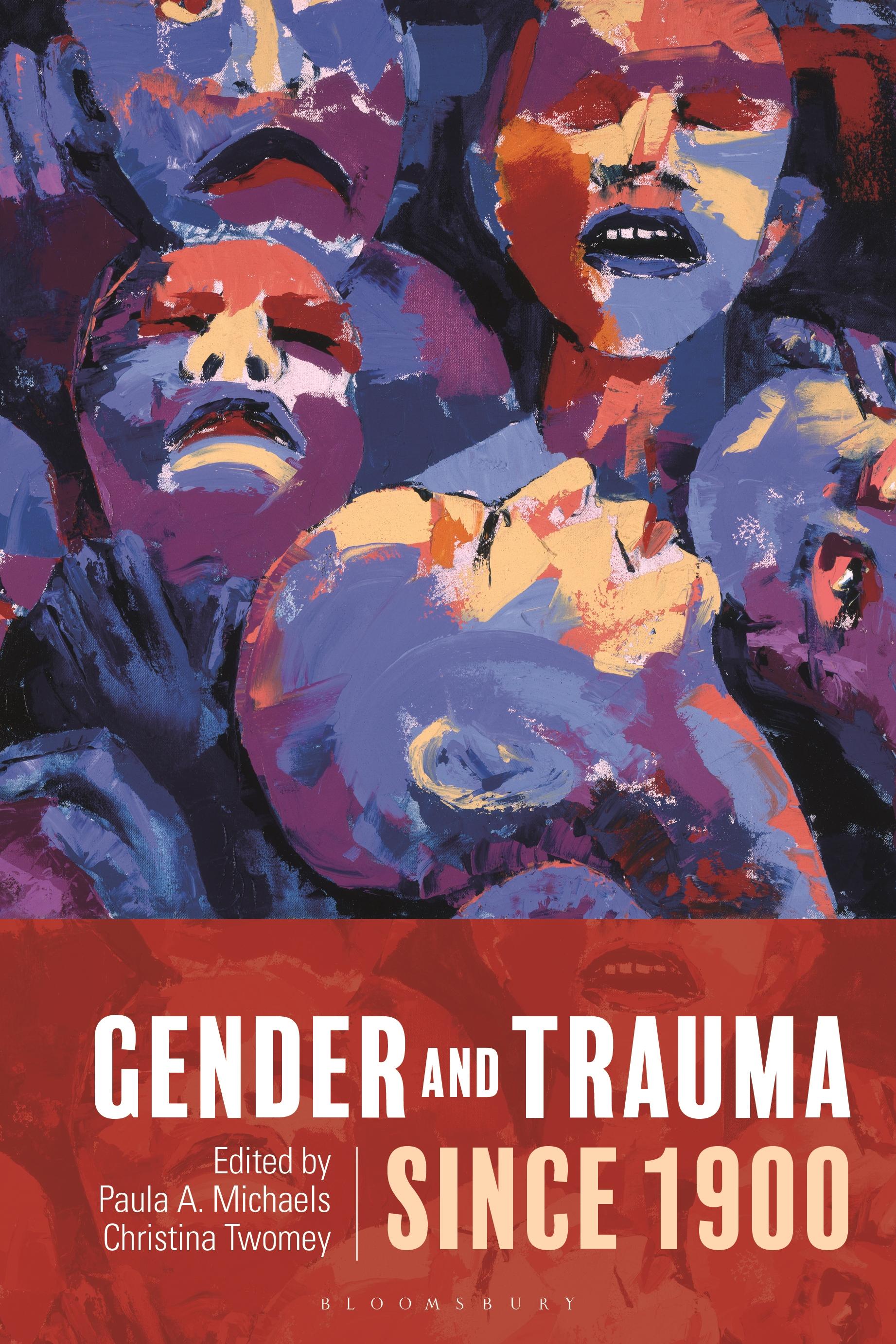
Is Trauma a transhistorical, transnational phenomenon? Gender and Trauma challenges the standard history that has led to our contemporary understanding of psychological trauma to answer this question, and to explore the impact of gender in the experience and understanding of emotional distress. Bringing together eleven case studies from all over the world, it draws on methods from history, gender and communication studies to consider how trauma has been understood over the 20th and 21st centuries.
Encompassing histories from Australia, Britain, Indonesia, Italy, the Soviet Union, Timor Leste, the United States and Vietnam, these examples demonstrate how gender and trauma are inextricably linked, and how the term 'trauma' has evolved over time. With chapters on war, political repression, displacement, rape and childbirth, the cases showcased in this volume highlight two pivotal transformations across the 20th century. First, the transformation of the trauma sufferer from perpetrator to victim, and second, the increased understanding of psychological consequences of sexual assault and domestic violence. Together, these diverse stories yield a more nuanced picture of what trauma is, how we have understood it alongside gender in the past, and how this affects our understanding of it in the present.
Encompassing histories from Australia, Britain, Indonesia, Italy, the Soviet Union, Timor Leste, the United States and Vietnam, these examples demonstrate how gender and trauma are inextricably linked, and how the term 'trauma' has evolved over time. With chapters on war, political repression, displacement, rape and childbirth, the cases showcased in this volume highlight two pivotal transformations across the 20th century. First, the transformation of the trauma sufferer from perpetrator to victim, and second, the increased understanding of psychological consequences of sexual assault and domestic violence. Together, these diverse stories yield a more nuanced picture of what trauma is, how we have understood it alongside gender in the past, and how this affects our understanding of it in the present.
Paga facilmente con carta, Klarna, Apple Pay o Google Pay. Non sei soddisfatto? Hai sempre 14 giorni per il rimborso. Leggi di più nei nostri termini. Per qualsiasi domanda, scrivici a hello@memmo.org.
Memmo rende lo studio più facile, ovunque tu sia nel mondo. Qui trovi i tuoi libri di testo e strumenti di studio intelligenti, tutto in un unico posto: riassunti, quiz, podcast e flashcard. E poi c'è Ted, il tuo compagno di studio che risponde a ogni tua domanda. Oltre 50.000 studenti studiano già qui: è stato creato per aiutarti a imparare più velocemente e a stressarti meno.