
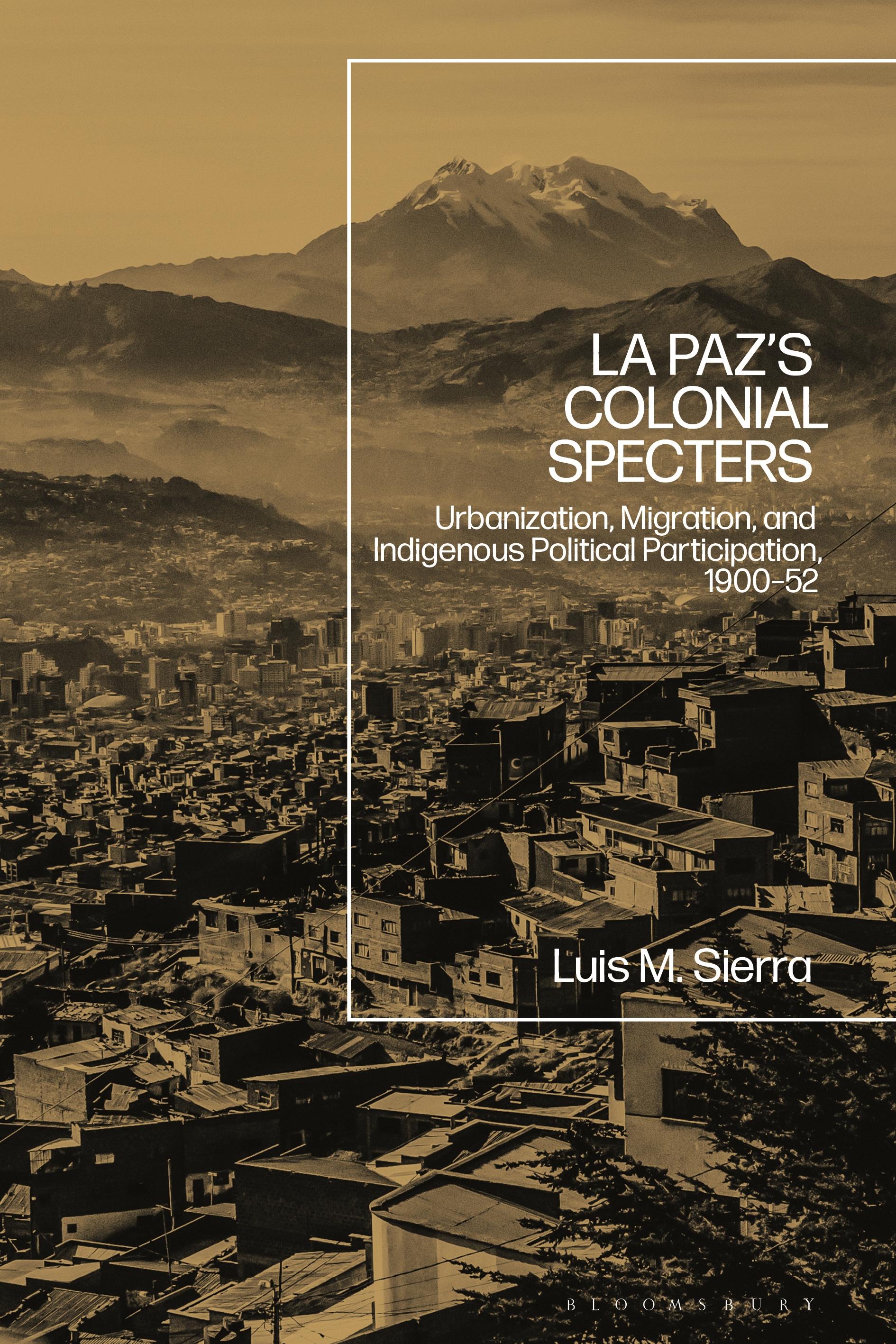
This original study examines a vital but neglected aspect of the 1952 National Revolution in Bolivia; the activism of urban inhabitants. Many of these activists were Aymara-speaking people of indigenous origin who transformed the urban environment, politics and place of “indígenas” and “neighbors” within the city of La Paz. Luis Sierra traces how these urban residents faced racial discrimination and marginalization despite their political support for the Movimiento Nacionalista Revolucionario (MNR). La Paz's Colonial Specters reassesses the contingent, relational nature of Bolivia's racial categories and the artificial division between urban and rural activists.
Building on rich established historiography on the indigenous people of Bolivia, Luis Sierra breaks new ground in showing the role of the neighborhoods in the process of urbanization, and builds upon analysis of the ways in which race, gender and class discourse shaped migrants interactions with other urban residents. Questioning how and why this multiclass and multi-ethnic group continued to be labelled by elites and the state as “un-modern” indigena, the author uses La Paz to demonstrate the ways in which race, class, and gender intertwine in urbanization and in conceptions of the city and nation.
Of interest to scholars, researchers and advanced students of Latin American history, urban history, the history of activism and the history of ethnic conflict, this unique study covers the previously neglected first half of the 20th century to shed light on the urban development of La Paz and its racial and political divides.
Building on rich established historiography on the indigenous people of Bolivia, Luis Sierra breaks new ground in showing the role of the neighborhoods in the process of urbanization, and builds upon analysis of the ways in which race, gender and class discourse shaped migrants interactions with other urban residents. Questioning how and why this multiclass and multi-ethnic group continued to be labelled by elites and the state as “un-modern” indigena, the author uses La Paz to demonstrate the ways in which race, class, and gender intertwine in urbanization and in conceptions of the city and nation.
Of interest to scholars, researchers and advanced students of Latin American history, urban history, the history of activism and the history of ethnic conflict, this unique study covers the previously neglected first half of the 20th century to shed light on the urban development of La Paz and its racial and political divides.
Paga facilmente con carta, Klarna, Apple Pay o Google Pay. Non sei soddisfatto? Hai sempre 14 giorni per il rimborso. Leggi di più nei nostri termini. Per qualsiasi domanda, scrivici a hello@memmo.org.
Memmo rende lo studio più facile, ovunque tu sia nel mondo. Qui trovi i tuoi libri di testo e strumenti di studio intelligenti, tutto in un unico posto: riassunti, quiz, podcast e flashcard. E poi c'è Ted, il tuo compagno di studio che risponde a ogni tua domanda. Oltre 50.000 studenti studiano già qui: è stato creato per aiutarti a imparare più velocemente e a stressarti meno.