
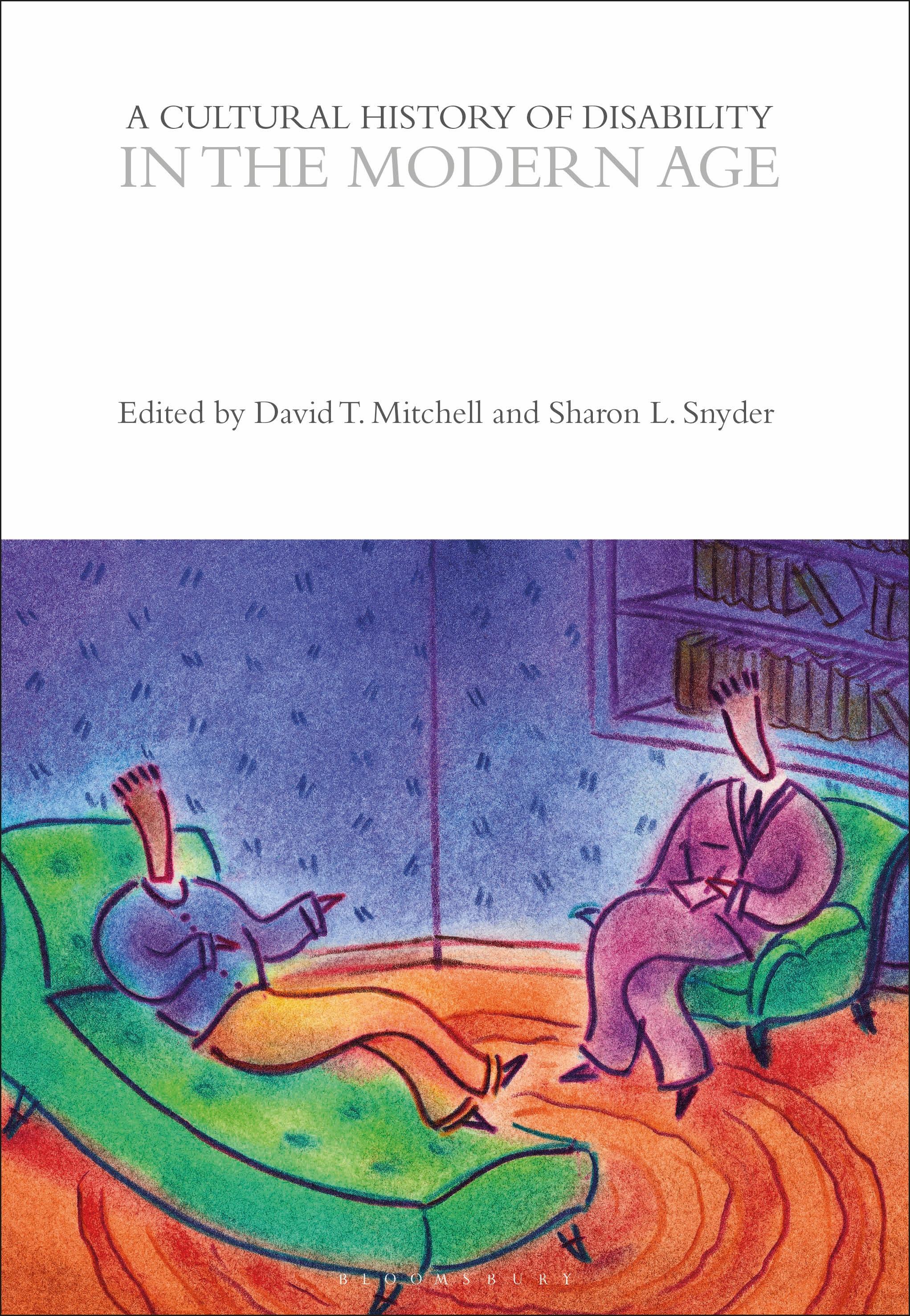
If eugenics -- the science of eliminating kinds of undesirable human beings from the species record -- came to overdetermine the late 19th century in relation to disability, the 20th century may be best characterized as managing the repercussions for variable human populations. A Cultural History of Disability in the Modern Age provides an interdisciplinary overview of disability as an outpouring of professional, political, and representational efforts to fix, correct, eliminate, preserve, and even cultivate the value of crip bodies. This book pursues analyses of disability's deployment as a wellspring for an alternative ethics of living in and alongside the body different while simultaneously considering the varied social and material contexts of devalued human differences from World War I to the present. In short, this volume demonstrates that, in Ozymandias-like ways, the Western Project of the Human with its perpetuation of body-mind hierarchies lies crumbling in the deserts of failed empires, genocidal furies, and the rejuvenating myths of new nation states in the 20th century.
An essential resource for researchers, scholars and students of history, literature, culture, philosophy, rehabilitation, technology, and education, A Cultural History of Disability in the Modern Age explores such themes and topics as: atypical bodies; mobility impairment; chronic pain and illness; blindness; deafness; speech; learning difficulties; and mental health while wrestling with their status as unreliable predictors of what constitutes undesirable humanity.
An essential resource for researchers, scholars and students of history, literature, culture, philosophy, rehabilitation, technology, and education, A Cultural History of Disability in the Modern Age explores such themes and topics as: atypical bodies; mobility impairment; chronic pain and illness; blindness; deafness; speech; learning difficulties; and mental health while wrestling with their status as unreliable predictors of what constitutes undesirable humanity.
Paga facilmente con carta, Klarna, Apple Pay o Google Pay. Non sei soddisfatto? Hai sempre 14 giorni per il rimborso. Leggi di più nei nostri termini. Per qualsiasi domanda, scrivici a hello@memmo.org.
Memmo rende lo studio più facile, ovunque tu sia nel mondo. Qui trovi i tuoi libri di testo e strumenti di studio intelligenti, tutto in un unico posto: riassunti, quiz, podcast e flashcard. E poi c'è Ted, il tuo compagno di studio che risponde a ogni tua domanda. Oltre 50.000 studenti studiano già qui: è stato creato per aiutarti a imparare più velocemente e a stressarti meno.