
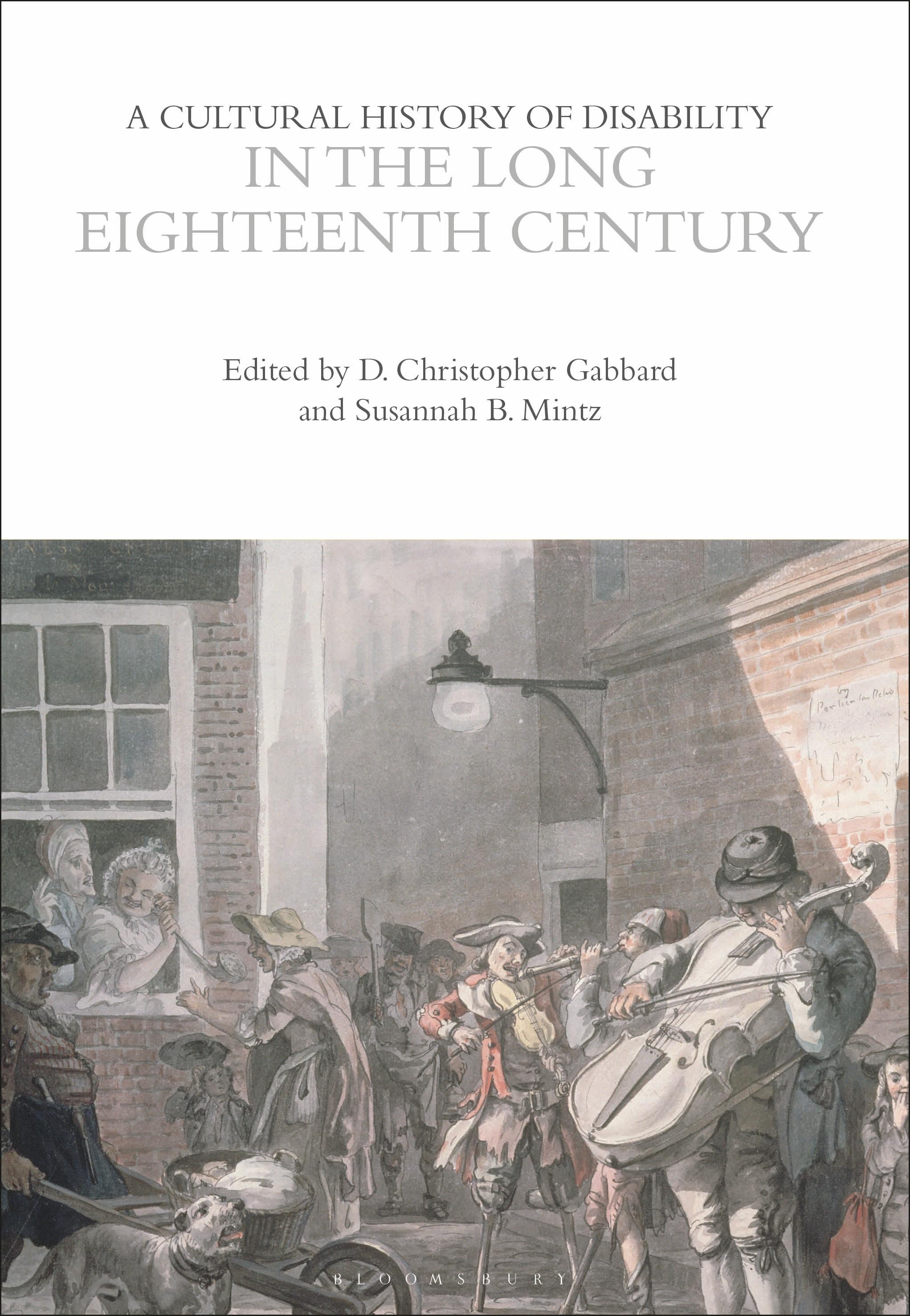
18th century philosopher Edmund Burke wrote, 'deformity is opposed, not to beauty, but to the complete, common form. If one of the legs of a man be found shorter than the other, the man is deformed; because there is something wanting to complete the whole idea we form of a man'. During the long 18th century, new ideas from aesthetics and the emerging scientific disciplines of physics, biology and zoology contributed to changing fundamental notions about human form, function and ability. The interrelated concepts of the natural and the beautiful coalesced into a hegemonic ideology of form, one which defined communal standards regarding which aspects of human appearance and ability would be considered typical and socially acceptable and which would not.
An essential resource for researchers, scholars and students of history, literature, culture and education, A Cultural History of Disability in the Long Eighteenth Century explores such themes and topics as: atypical bodies; mobility impairment; chronic pain and illness; blindness; deafness; speech; learning difficulties; and mental health.
An essential resource for researchers, scholars and students of history, literature, culture and education, A Cultural History of Disability in the Long Eighteenth Century explores such themes and topics as: atypical bodies; mobility impairment; chronic pain and illness; blindness; deafness; speech; learning difficulties; and mental health.
Paga facilmente con carta, Klarna, Apple Pay o Google Pay. Non sei soddisfatto? Hai sempre 14 giorni per il rimborso. Leggi di più nei nostri termini. Per qualsiasi domanda, scrivici a hello@memmo.org.
Memmo rende lo studio più facile, ovunque tu sia nel mondo. Qui trovi i tuoi libri di testo e strumenti di studio intelligenti, tutto in un unico posto: riassunti, quiz, podcast e flashcard. E poi c'è Ted, il tuo compagno di studio che risponde a ogni tua domanda. Oltre 50.000 studenti studiano già qui: è stato creato per aiutarti a imparare più velocemente e a stressarti meno.