
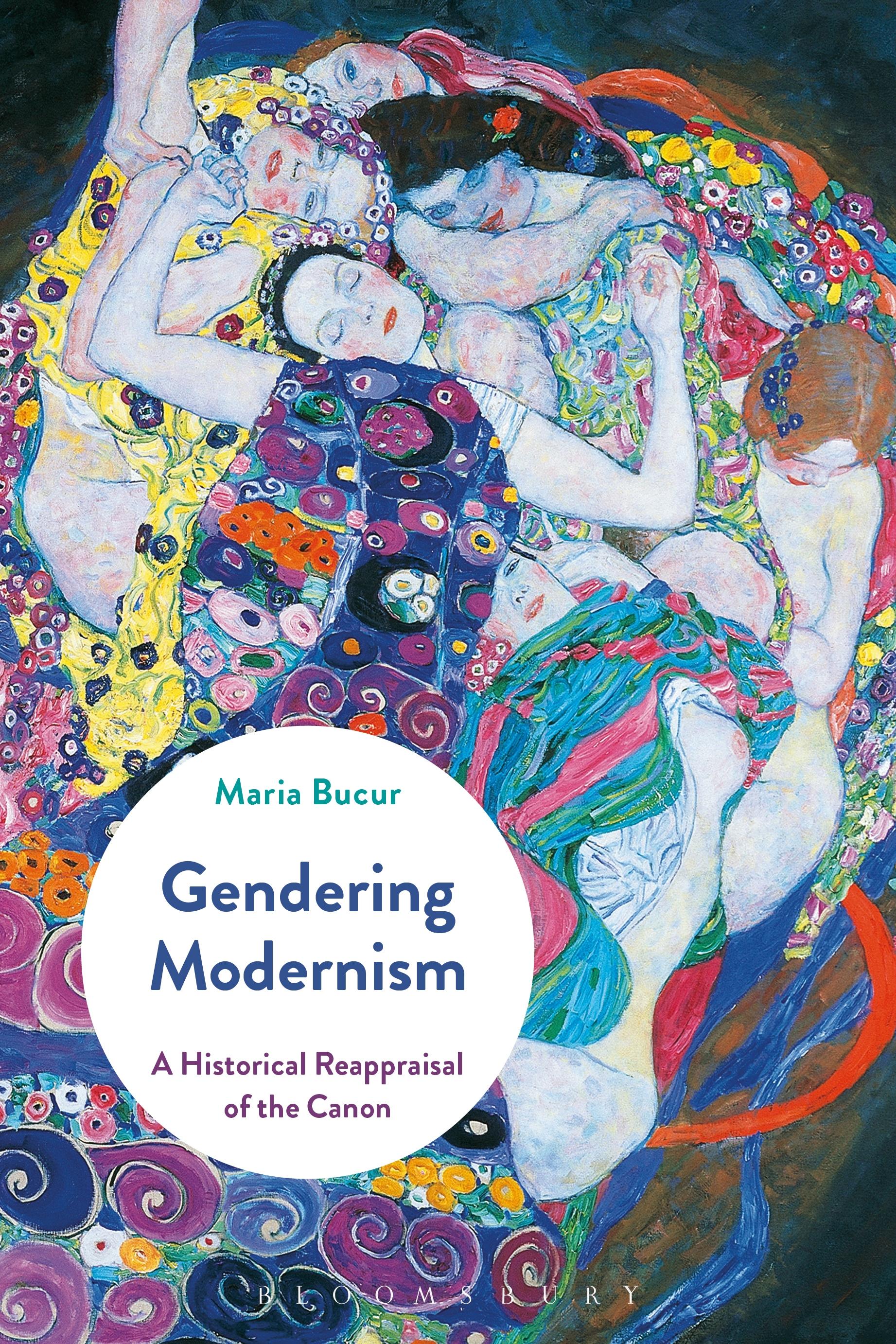
Gendering Modernism offers a critical reappraisal of the modernist movement, asking how gender norms of the time shaped the rebellion of the self-avowed modernists and examining the impact of radical gender reformers on modernism.
Focusing primarily on the connections between North American and European modernists, Maria Bucur explains why it is imperative that we consider the gender angles of modernism as a way to understand the legacies of the movement. She provides an overview of the scholarship on modernism and an analysis of how definitions of modernism have evolved with that scholarship. Interweaving vivid case studies from before the Great War to the interwar period - looking at individual modernists from Ibsen to Picasso, Hannah Höch to Josephine Baker - she covers various fields such as art, literature, theatre and film, whilst also demonstrating how modernism manifested itself in the major social-political and cultural shifts of the 20th century, including feminism, psychology, sexology, eugenics, nudism, anarchism, communism and fascism.
This is a fresh and wide-ranging investigation of modernism which expands our definition of the movement, integrating gender analysis and thereby opening up new lines of enquiry. Written in a lively and accessible style, Gendering Modernism is a crucial intervention into the literature which should be read by all students and scholars of the modernist movement as well 20th-century history and gender studies more broadly.
Focusing primarily on the connections between North American and European modernists, Maria Bucur explains why it is imperative that we consider the gender angles of modernism as a way to understand the legacies of the movement. She provides an overview of the scholarship on modernism and an analysis of how definitions of modernism have evolved with that scholarship. Interweaving vivid case studies from before the Great War to the interwar period - looking at individual modernists from Ibsen to Picasso, Hannah Höch to Josephine Baker - she covers various fields such as art, literature, theatre and film, whilst also demonstrating how modernism manifested itself in the major social-political and cultural shifts of the 20th century, including feminism, psychology, sexology, eugenics, nudism, anarchism, communism and fascism.
This is a fresh and wide-ranging investigation of modernism which expands our definition of the movement, integrating gender analysis and thereby opening up new lines of enquiry. Written in a lively and accessible style, Gendering Modernism is a crucial intervention into the literature which should be read by all students and scholars of the modernist movement as well 20th-century history and gender studies more broadly.
Paga facilmente con carta, Klarna, Apple Pay o Google Pay. Non sei soddisfatto? Hai sempre 14 giorni per il rimborso. Leggi di più nei nostri termini. Per qualsiasi domanda, scrivici a hello@memmo.org.
Memmo rende lo studio più facile, ovunque tu sia nel mondo. Qui trovi i tuoi libri di testo e strumenti di studio intelligenti, tutto in un unico posto: riassunti, quiz, podcast e flashcard. E poi c'è Ted, il tuo compagno di studio che risponde a ogni tua domanda. Oltre 50.000 studenti studiano già qui: è stato creato per aiutarti a imparare più velocemente e a stressarti meno.