
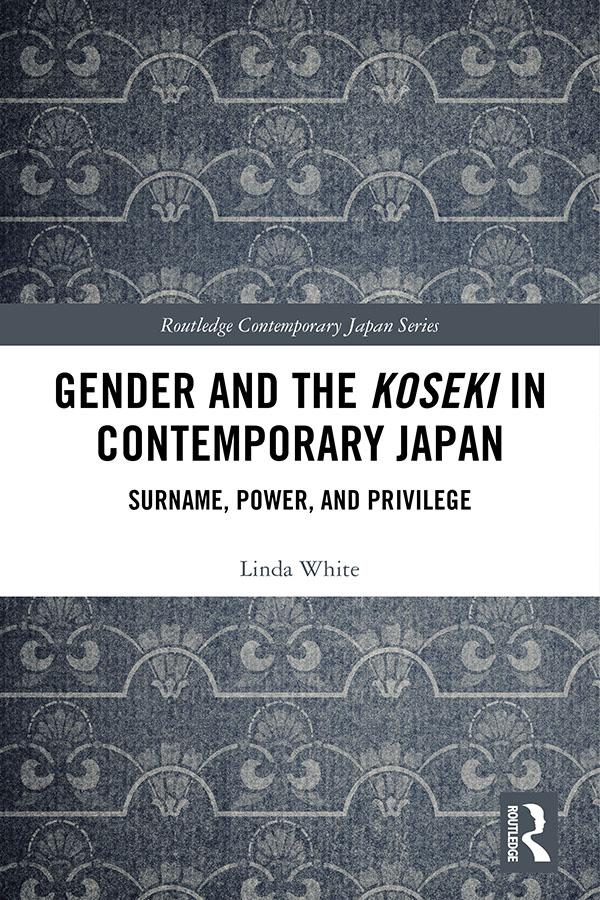
The Japanese koseki system is the legal and social structure keeping record of all Japanese citizens. Determined by the Civil Code and the Koseki Law, for activists challenging it, the koseki is also an ideological structure, which has produced patriarchal control through single-surname households.
Based on ethnographic fieldwork in Tokyo, this book engages with issues of gender hierarchy and structural inequality in Japanese society. Studying several decades of feminist activism and critique of the koseki system, it analyses the strategies of activists who have creatively circumvented koseki rules in order to maintain their natal names in marriage. It examines the case studies of members of the fūfubessei (separate surname movement) and the movement to end discrimination against children born out of wedlock, and in so doing this book illuminates the contradictions in current family law and koseki practice that have animated a generation of feminists in Japan.
Demonstrating the effect of the koeski on family, gender, and national identity, this book will be useful for students and scholars of Cultural Anthropology, Gender Studies, and Japanese Studies in general.
Paga facilmente con carta, Klarna, Apple Pay o Google Pay. Non sei soddisfatto? Hai sempre 14 giorni per il rimborso. Leggi di più nei nostri termini. Per qualsiasi domanda, scrivici a hello@memmo.org.
Memmo rende lo studio più facile, ovunque tu sia nel mondo. Qui trovi i tuoi libri di testo e strumenti di studio intelligenti, tutto in un unico posto: riassunti, quiz, podcast e flashcard. E poi c'è Ted, il tuo compagno di studio che risponde a ogni tua domanda. Oltre 50.000 studenti studiano già qui: è stato creato per aiutarti a imparare più velocemente e a stressarti meno.